
Introduction
If you’ve recently acquired an old turntable record player or if you’ve cherished yours for years, maintaining its functionality is essential. These vintage audio treasures can provide incredible sound quality and a unique listening experience. However, like all electronic devices, they require care and maintenance to preserve their performance over time.
Old turntables, often characterized by their classic design and rich history, deserve attention to ensure they continue to operate at their best. In this article, we will discuss various maintenance tips, best practices, and common issues you might encounter. By following these guidelines, you can ensure that your vintage turntable remains a source of joy for many years to come.
The Importance of Maintenance
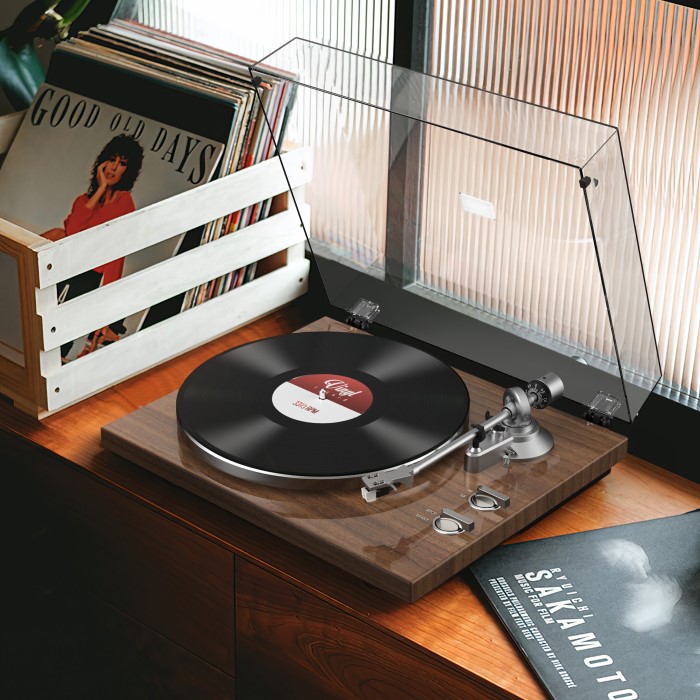
Taking the time to maintain your old turntable record player is crucial for several reasons. Here’s why proper upkeep matters:
- Sound Quality Preservation: Regular maintenance ensures that the stylus, tonearm, and platter are in optimal condition. Neglecting these components can lead to distorted sound or damage to vinyl records.
- Longevity: Like any other piece of equipment, a well-maintained turntable lasts longer. Simple maintenance tasks can help you avoid costly repairs or replacements down the line.
- Enhanced Performance: Proper care can improve the performance of your turntable. This includes ensuring accurate speed, stable tracking, and minimizing unwanted vibrations.
- Record Protection: By maintaining your turntable, you’re also protecting your valuable vinyl records. A clean and well-functioning turntable reduces the risk of scratches or other damage to your records.
- Aesthetic Appeal: Vintage turntables can enhance your home decor. Keeping yours in good condition ensures it remains a beautiful focal point in your space.
By understanding the importance of maintenance, you’ll appreciate the value and history of your old turntable even more.
Essential Maintenance Tips
To keep your old turntable record player sounding great, here are several essential maintenance tips:
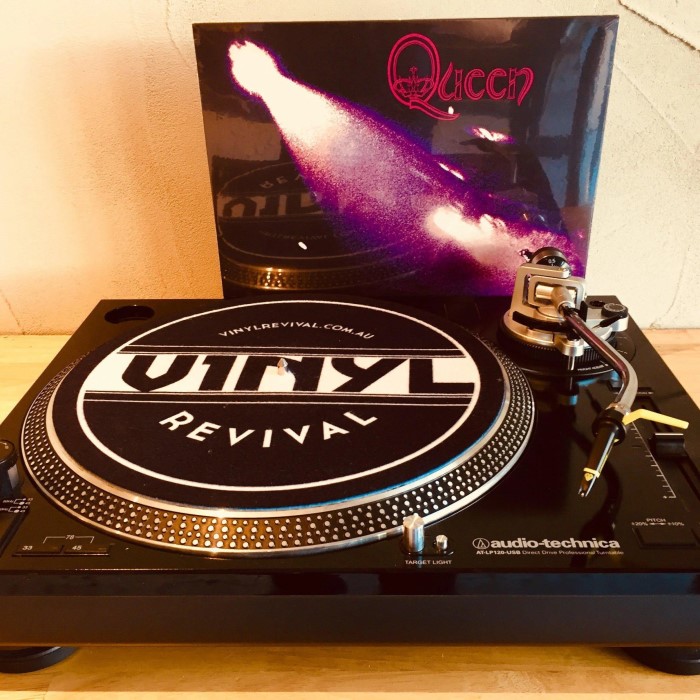
- Cleaning the Platter and Drive Belt: Regularly clean the platter with a soft, lint-free cloth. Use a gentle cleaner specifically designed for vinyl. If your turntable uses a drive belt, check for wear and replace it if necessary. A worn belt can cause speed inconsistencies.
- Stylus Care: The stylus is a vital component of your turntable. Make sure to clean it regularly using a specialized stylus brush. Avoid pressing too hard, as this can damage the stylus. Replacing the stylus every few years (or sooner, based on usage) ensures the best sound quality.
- Dust and Debris Cleanup: Dust can accumulate on your turntable and records, affecting sound quality. Use a soft brush or a microfiber cloth to remove dust from the tonearm, plinth, and around the platter. Consider using a dust cover when the turntable is not in use.
- Weight and Tracking Force Adjustment: Ensure that the tracking force of the tonearm is set according to the manufacturer’s specifications. This adjustment helps prevent unwanted wear on both the stylus and your records.
- Check for Loose Connections: Sometimes connections can loosen over time. Periodically check the wiring and ensure that everything is secure. This practice helps eliminate unwanted hum or noise during playback.
- Anti-Skating Adjustment: Most turntables have an anti-skate feature. Properly adjusting the anti-skate setting helps maintain even pressure and improves sound.
By implementing these maintenance tips, you can keep your old turntable in excellent condition and enjoy that rich vinyl sound for a long time.
Common Issues
As with any vintage audio equipment, you may encounter certain issues with your old turntable. Recognizing these problems can help you address them quickly:
Skipping
- Understanding the Issue: If your records are skipping during playback, it can be frustrating. Skipping often occurs when the stylus is unable to navigate the grooves smoothly.
- Possible Causes: The most common reasons for skipping include a worn stylus, improper tracking force, or dirt on the record. A worn stylus can fail to make proper contact, while improper tracking force can lead the stylus to jump out of the groove.
- Solutions:
- Check the Stylus: Inspect the stylus for wear and replace it if necessary. Regular stylus maintenance can prevent many playback issues.
- Adjust Tracking Force: Ensure that the tracking force is set according to the cartridge specifications. This adjustment helps the stylus sit correctly in the grooves of the record.
- Clean the Record: Use a record cleaning brush or solution to remove dust and debris from your vinyl. Ensuring your records are clean can significantly reduce skipping issues.
Uneven Speed
- Identifying the Problem: If your records play slowly or too fast, it disrupts the listening experience. This speed inconsistency can be caused by mechanical issues with the turntable.
- Possible Causes: Uneven speed can result from problems with the turntable motor, a worn drive belt, or incorrect speed settings.
- Solutions:
- Check the Drive Belt: Inspect the drive belt for signs of wear or damage. A worn belt can slip, causing speed issues. If it looks too stretched or frayed, consider replacing it.
- Adjust the Speed Setting: Many turntables have speed settings for 33 1/3 and 45 RPM. Make sure you’re using the correct setting for the record you are playing.
- Professional Service: If adjusting the belt and settings doesn’t resolve the issue, it may be necessary to consult with a professional for deeper motor or electronic repairs.
Excessive Noise
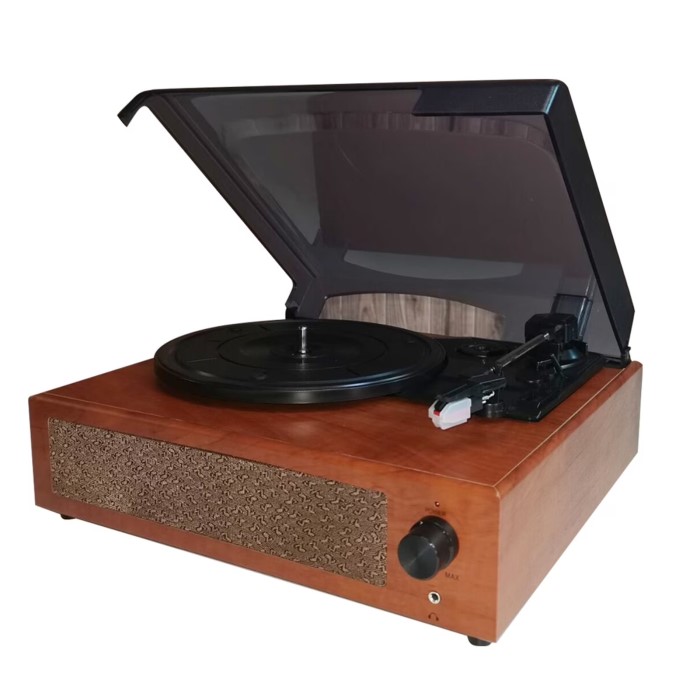
- Understanding Unwanted Sounds: Hearing hum or noise during playback is typically not ideal and can detract from your music enjoyment.
- Possible Causes: Excessive noise can arise from loose connections, faulty wiring, or grounding issues within your sound system.
- Solutions:
- Inspect Connections: Examine all audio connections—cables from the turntable to your amplifier and speakers. Ensure that they are plugged in securely and free from corrosion.
- Check for Faulty Wiring: Look for any visible signs of damage to the wires that may contribute to the noise. Replace damaged wiring as needed.
- Grounding: Make sure the turntable is properly grounded. A weak ground connection can lead to unwanted hum. Connect the ground wire from the turntable to the amplifier if present.
Vibrations
- Identifying Vibration Issues: Excessive vibrations can negatively impact the audio quality and performance of your turntable.
- Possible Causes: Vibration issues can stem from an uneven surface on which the turntable is placed or an improperly balanced tonearm.
- Solutions:
- Level the Turntable: Use a spirit level to check that the turntable is sitting evenly on its surface. Adjust the feet or change the location if necessary to eliminate wobbling.
- Balance the Tonearm: Ensure that the tonearm is properly balanced and set up according to the manufacturer’s guidelines. This adjustment helps with tracking and reduces vibrations during playback.
No Sound Output
- Understanding the Lack of Sound: If your turntable produces no sound at all, it can be concerning and may signal various issues within your audio setup.
- Possible Causes: The issue could lie with the audio connections, the amplifier, or even the speakers themselves.
- Solutions:
- Check Audio Connections: Ensure that all cables are connected properly. Examine the RCA cables and check for any damage or loose fittings that could interrupt the signal.
- Inspect the Amplifier: Verify that the amplifier is powered on and set to the correct input for the turntable. Adjust the volume knob and check mute functions.
- Test the Speakers: If there’s still no sound, try connecting another audio source to the speakers to ensure they are functioning properly. If the speakers work with another device, the issue may be with the turntable or connections.
By identifying these common issues early, you can take the necessary steps to ensure your old turntable continues to provide a wonderful listening experience.
Frequently Asked Questions (FAQs)
To further assist you in your exploration of old turntable record players, we’ve included answers to some common questions:
- Are old turntables worth money?
Yes, many old turntables can be valuable, especially if they are in good working condition or have vintage appeal. Collectors often seek rare or high-quality models. - What is an old turntable called?
An old turntable is often referred to as a “vintage turntable,” especially if it is a model from the mid-20th century or earlier. - What’s the difference between a turntable and a vinyl player?
A turntable is specifically the device that spins the vinyl record to produce sound. A vinyl player typically refers to a complete setup that includes a turntable and speakers. - What is the best vintage turntable?
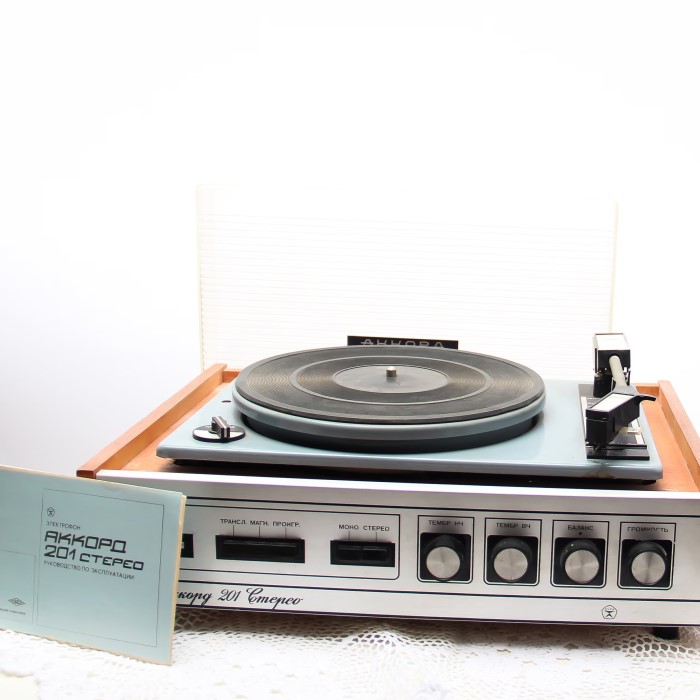
Some popular vintage turntables include the Technics SL-1200, Dual 1219, and Garrard 301. Each of these models has its unique appeal and can provide excellent audio quality.
By addressing these FAQs, you can gain insights that enhance your understanding of old turntables and help you make informed decisions regarding your audio setup.
Conclusion
In conclusion, maintaining your old turntable record player is essential for preserving its functionality and sound quality. By implementing proper care techniques, addressing common issues, and understanding the importance of components, you’ll ensure that your vintage turntable serves you well for years to come. With the right maintenance and knowledge, you can enjoy the rich, warm sound of vinyl records brilliantly.
Remember, the combination of proper upkeep and recognizing potential issues is vital to enhancing your overall listening experience. As you dive deeper into the world of vinyl, cherish the unique qualities that old turntables bring to your music collection.