
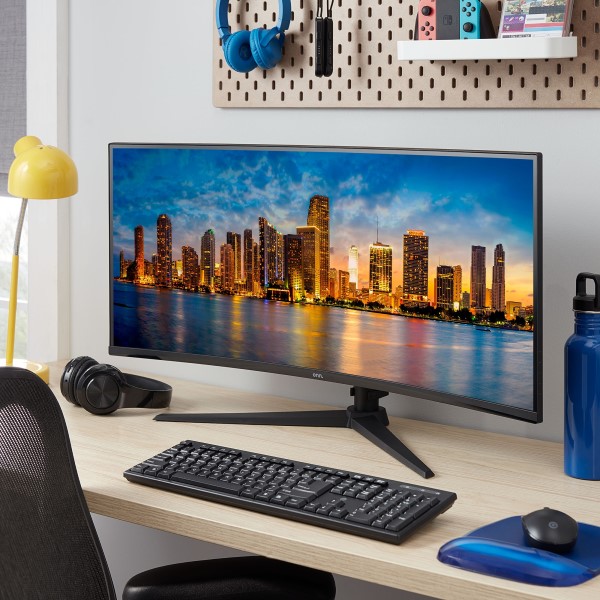
Introduction: The Evolution of Computer Monitors
In today’s fast-paced digital world, choosing the right computer monitor has become increasingly significant. The landscape of computer monitors has evolved dramatically in recent years, particularly in the ongoing debate between curved computer monitor and traditional flat screens. Both types offer unique experiences, but understanding their individual benefits and drawbacks is crucial for making an informed decision. With numerous options available for consumers, it’s essential to consider your personal preferences, intended use, and budget before purchasing.
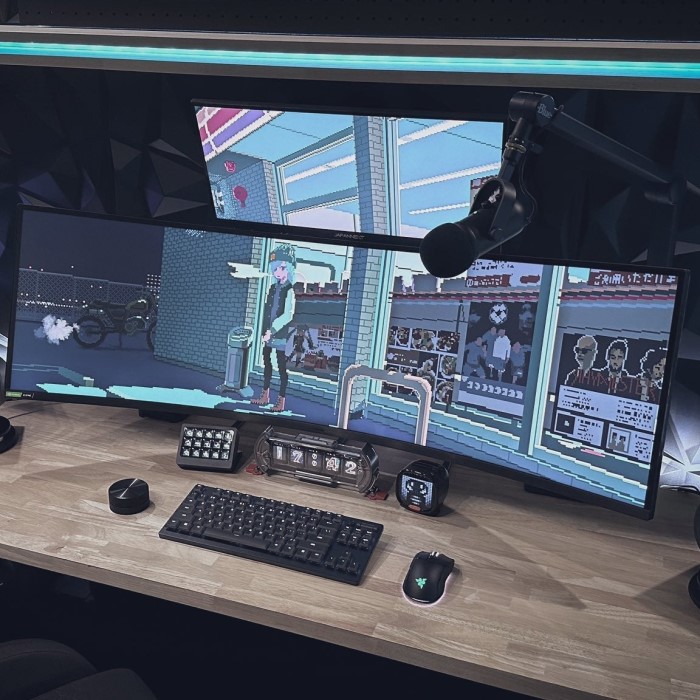
As we step into 2025, this article aims to provide a comprehensive overview of the two types of monitors, the advantages of each, and some factors to consider when evaluating which is the best option for you. This includes insights into how curved monitors can provide enhanced immersion and comfort, while flat monitors offer a more practical, established choice. Whether you are a gamer, a graphic designer, or a casual user, it is vital to find a monitor that aligns perfectly with your needs.
Understanding Curved Computer Monitor
Curved computer monitors have gained popularity in recent years, boasting several features that set them apart from flat displays.
- Immersive Experience: One of the primary draws of curved monitors is their ability to deliver an immersive experience. The slight curvature draws viewers into whatever they are watching or gaming, creating an environment that feels more engaging. By mimicking the natural curve of the human eye, curved monitors reduce distortion and allow viewers to maintain a more comfortable viewing angle over extended periods.
- Wider Field of View: Curved monitors extend the user’s field of view. By wrapping the screen around the viewer’s peripheral vision, they help to enhance the viewing experience, making users feel more engaged with the content. The curved effect can elevate gaming and movie-watching by providing a wrap-around effect that is both visually striking and immersive.
- Reduces Glare and Reflections: Curved monitors tend to minimize glare and reflections compared to flat screens. Because they are angled toward the viewer, they can reduce the impact of ambient light from different angles, enhancing overall visibility, especially in brighter settings. Users may find that they can see clearer images without constantly adjusting their screen or position.
- Depth Perception: Curved screens enhance the perception of depth, providing viewers with a more realistic feel while gaming or watching movies. The enhancements create a contrast that can heighten the excitement of intricate graphics in video games or cinematic experiences in films.
- Improved Focus: Many users have reported that the curvature of the screen helps maintain focus and attention. This feature is beneficial for professionals who spend long hours in front of their monitors, such as graphic designers, engineers, and video editors.
The Flat Computer Monitor Experience
Despite the rise of curved monitors, flat monitors have been the industry standard for many years. They offer a host of benefits that keep them relevant and preferred by many users.
- Established Technology: Flat monitors have existed for decades, with the technology fully understood and widely available. Additionally, they come in various forms, including LCD and LED, making them easily accessible and affordable for both casual and professional users.
- Portability and Setup: Flat monitors are generally lighter and easier to mount on walls. If you’re someone who frequently relocates or changes setups, a flat monitor may be the more convenient choice. Their lower profile helps when considering desk space as well.
- Versatile Use Cases: Flat monitors perform well across various tasks. They are ideal for office work, casual gaming, and everyday tasks such as web browsing or video streaming. For users who do not require a highly immersive experience, flat monitors provide all the functionalities needed.
- Space-Efficient Design: Flat monitors come in multiple sizes, allowing them to fit snugly into smaller desks or spaces. They adapt to various setups, making them suitable for minimalistic environments or corporate office spaces.
- More Affordable Options: Typically, flat monitors are more affordable than their curved counterparts. This price difference can be significant, especially for users looking to set up multiple displays or needing a budget-friendly option for school or business use.
Key Differences Between Curved and Flat Monitors
Understanding the key differences can help clarify which option might be best suited for your needs, whether for gaming, professional tasks, or casual use.
- Viewing Experience: Curved monitors provide an immersive experience that many users desire, especially gamers and cinephiles. Flat monitors offer a conventional viewing experience that many users find sufficient for standard tasks.
- Physical Space Requirements: Curved monitors often require slightly more desk space, while flat monitors generally fit seamlessly into tighter spaces. This is an important consideration for those with limited desk area.
- Price Range: Curved monitors come at a premium due to their technology and design, while flat monitors remain more budget-friendly. This price difference may impact consumer choice based on financial constraints.
- Use Case: Curved screens excel in scenarios that demand immersion, such as gaming or watching movies. In contrast, flat monitors excel in office work and tasks requiring straightforward, multi-window setups.
- Eye Comfort and Strain: While both types have their advantages, some users report reduced eye strain with curved monitors due to their ergonomic design aligning with the natural curvature of the eye. Others may find flat monitors comfortable depending on their visual preferences.
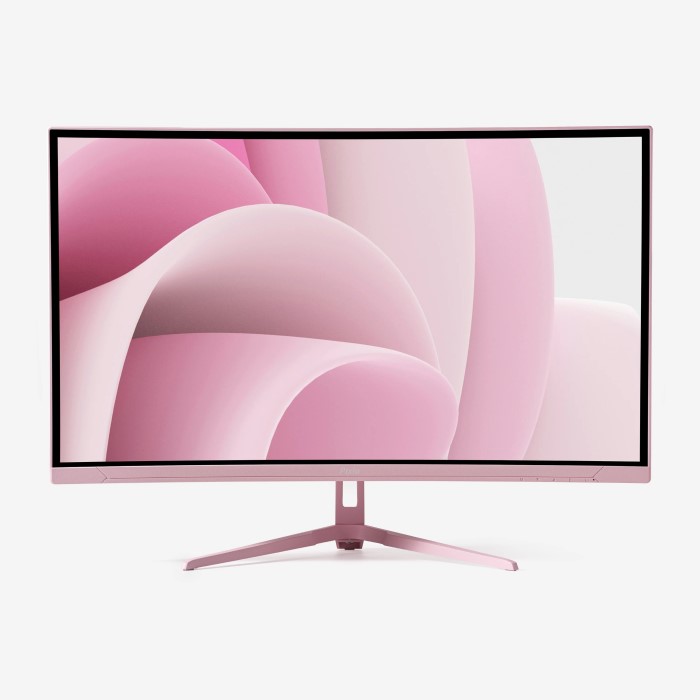
Performance Considerations
When assessing whether to go for a curved computer monitor or a flat screen, performance aspects hold significant importance.
- Refresh Rate and Response Time: These factors are crucial for gamers. High-end curved gaming monitors often offer superior refresh rates and lower response times compared to standard flat monitors. Gamers who prioritize fluid gameplay should consider investing in a curved display if they play fast-paced games.
- Resolution Matters: Both monitor types offer various resolutions, from standard 1080p to high-definition 4K options. However, the visual experience may differ. Curved monitors can heighten the experience by making high-resolution graphics more immersive.
- Graphics Compatibility: Users involved in detailed graphic work should consider the potential compatibility with their graphic processing units (GPUs). Curved monitors may offer better support for settings such as higher refresh rates, which can be critical during intensive work or gaming scenarios.
User Comfort and Ergonomics
The comfort and ergonomics associated with monitor use is essential, particularly for those who spend significant time in front of screens.
- Eye Strain Reduction: Curved monitors offer ergonomic benefits that can reduce eye strain. The contours allow users to maintain a more comfortable visual angle, potentially leading to lesser fatigue during long stretches of use.
- Posture Alignment: The design of curved screens encourages a more natural seating position for users, leading to potentially less neck strain and discomfort in contrast to flat monitors, particularly for those who use their monitors for extended periods.
- Screen Size Consideration: Curved monitors typically come in larger sizes, which increases the available screen real estate for multitasking. This added size and width can boost productivity and comfort for users juggling multiple tasks.

FAQs and Common Queries
To clarify some frequent questions about curved and flat monitors, consider the following:
Are curved computer monitors better?
Curved monitors generally provide a more immersive viewing experience, especially for gaming and multimedia consumption. Whether they are “better” depends on your individual use cases and visual preferences.
What are the disadvantages of a curved monitor?
Some disadvantages of curved monitors include a higher price point, more require a larger desk, and potential reflections in certain lighting conditions. Users may also find that not all applications or games benefit significantly from the curve.
Why did they stop making curved monitors?
While curved monitors are still being manufactured, the market sees a trend towards innovations like ultra-wide screens and high-refresh-rate options. Certain manufacturers may choose to focus on these new technologies.
Which brand curved monitor is best?
A variety of brands are known for high-quality curved monitors, including Samsung, Dell, and ASUS. The best choice often depends on intended use: for gaming, Samsung’s Odyssey line is highly regarded, while Dell’s UltraSharp series excels in creative work.
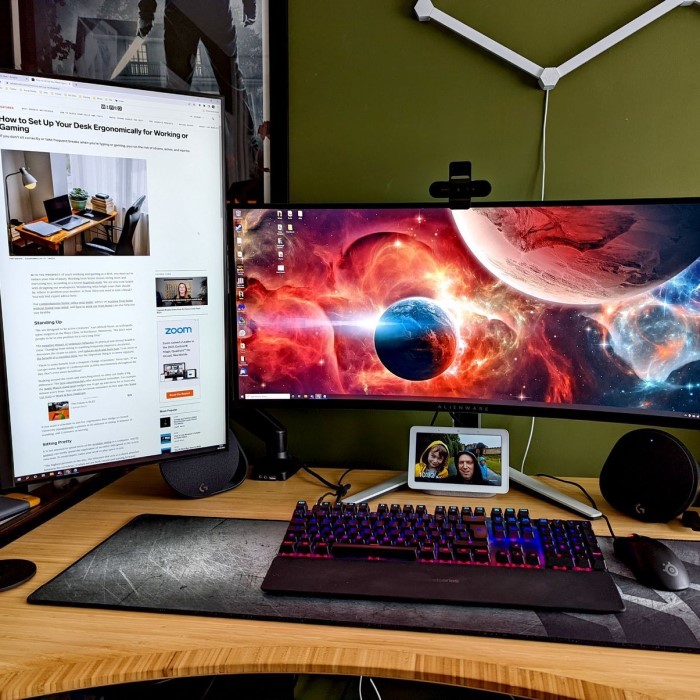
Conclusion: Making Your Choice in 2025
As we approach 2025, understanding the pros and cons of a curved computer monitor versus a flat screen is essential for making an informed choice. Each type of monitor offers distinct features that cater to various needs. Curved monitors appeal to those who desire an immersive experience, particularly in gaming and multimedia contexts. In contrast, flat monitors stand out as practical solutions for everyday tasks, offering affordability and versatility.
Ultimately, whether you choose a curved or flat monitor should reflect your specific preferences, requirements, and budget. Consider factors such as viewing comfort, performance, and intended use when weighing your options. By doing so, you will ensure that your next purchase meets your expectations and enhances your productivity or enjoyment while using your monitor. Embrace the insights shared in this article to make a decision that best suits your needs for the coming year.