
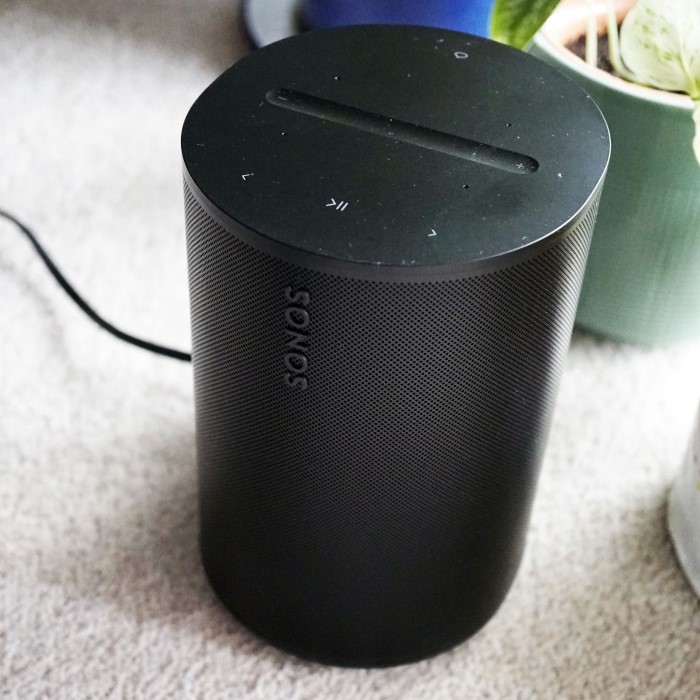
What is a Smart Speaker?
A smart speaker is a voice-activated device. It combines the functionality of a speaker with a virtual assistant. People can use it to play music, control smart home devices, or answer questions. These devices use artificial intelligence to understand voice commands. Popular virtual assistants, like Alexa, Google Assistant, or Siri, power them. They connect to the internet to fetch information or perform tasks.
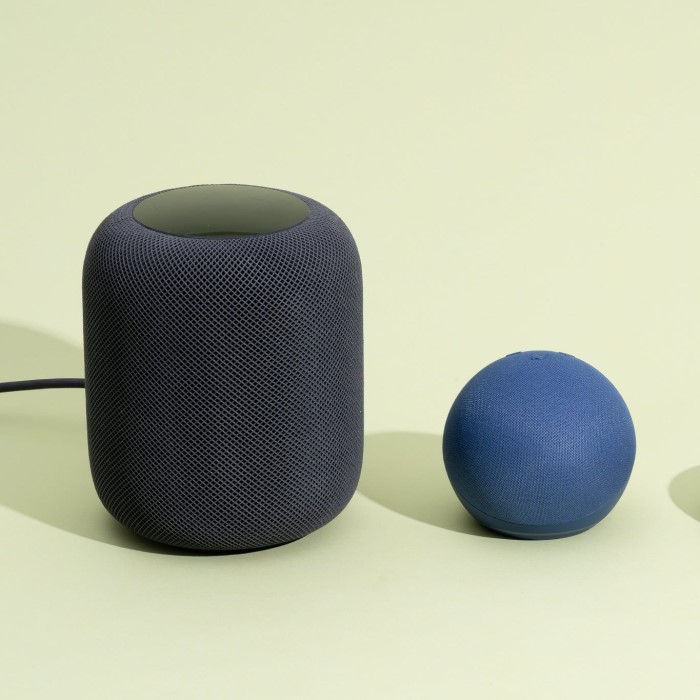
Smart speakers are compact and can fit in small spaces. They vary in size, design, and features depending on the brand and model. Some include touch controls or displays, while others are voice-only. Common uses include setting alarms, checking the weather, or managing your schedule. Advanced models can manage complex smart home systems, like lights or thermostats. Smart speakers offer convenience and hands-free interaction for daily tasks. Choosing the best smart speaker depends on your specific needs and preferences.
Key Features to Look for in a Smart Speaker
When choosing the best smart speaker, consider the features it offers. Different models suit different needs. Here’s what to look for:
1. Voice Assistant Compatibility
Smart speakers work with virtual assistants like Alexa, Google Assistant, or Siri. Choose one that fits your ecosystem. For example, pick Alexa if you use Amazon devices.
2. Sound Quality
Good sound is essential for music or podcasts. Look for clear audio and balanced bass. Premium models often provide surround sound or customizable settings.
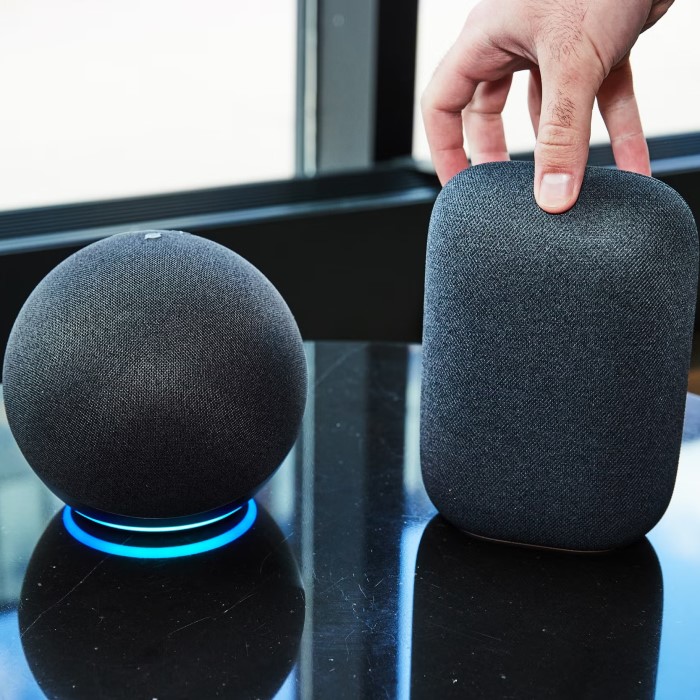
3. Smart Home Integration
Check if the speaker can connect with your smart home devices. Features may include controlling lights, thermostats, or cameras. Make sure it supports your current system.
4. Display or Visual Features
Some smart speakers have screens. This adds value for video calls, recipes, or streaming videos. If visuals are important, prioritize display models.
5. Multiple Device Support
Consider multi-room audio features if you plan to use several speakers. This ensures seamless music or announcements across rooms.
6. Portability and Battery Life
If you need a travel-friendly option, look for portable models. Battery life should last several hours for uninterrupted use.
7. Privacy Controls
Privacy is crucial. Check for features like mute buttons or control over data collection. Some brands offer better safeguards.
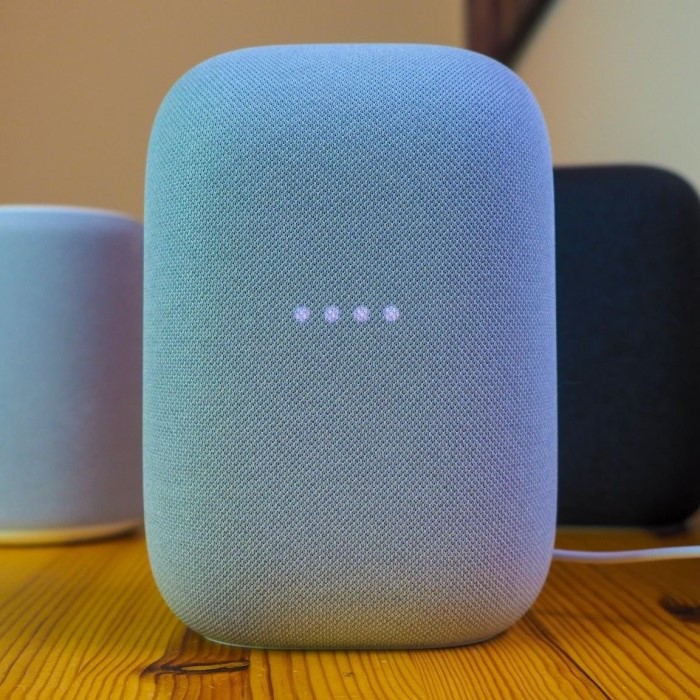
8. Price and Durability
Balance cost with quality. Durable models with essential features are often a smart investment.
Focus on features that align with your lifestyle. The right mix can enhance your daily routine.
Popular Smart Speaker Brands and Models
Smart speakers come in a variety of brands and models. Each offers unique features and functionalities. Knowing the popular options can help you find the best smart speaker for your needs.
Amazon Echo Series
The Amazon Echo series is powered by Alexa. It includes models like Echo Dot, Echo Show, and Echo Studio. Echo Dot is compact and affordable, while Echo Show offers a screen for added visuals. Echo Studio provides high-quality sound for audiophiles. Amazon Echo speakers integrate well with other Amazon devices, making them ideal for those using Alexa-compatible products.
Google Nest Devices
Google’s Nest smart speakers are powered by Google Assistant. Popular models include Nest Mini and Nest Hub. Nest Mini is small and budget-friendly. Nest Hub incorporates a screen for recipes or video calls. These devices provide seamless integration with Google services like Calendar and YouTube.
Apple HomePod Series
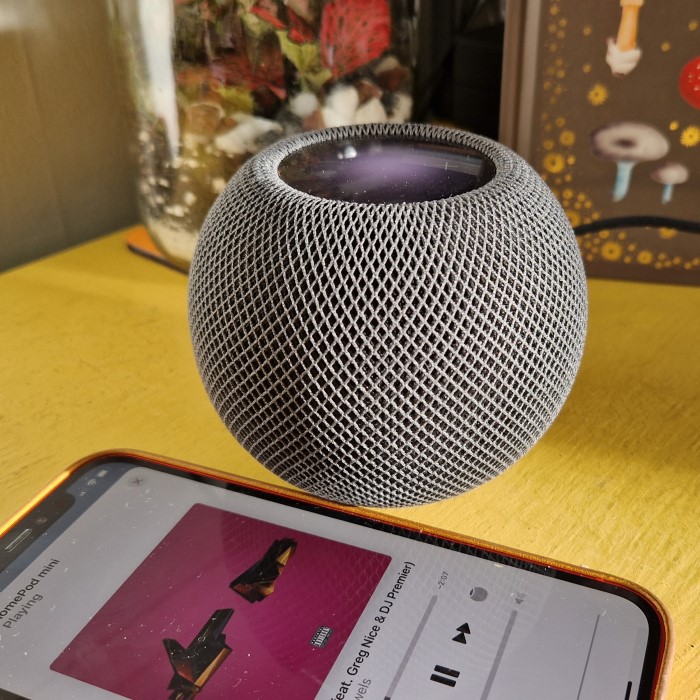
Apple’s smart speakers are designed for users deeply invested in the Apple ecosystem. The HomePod and HomePod Mini feature Siri as their assistant. They offer exceptional sound quality and work best with Apple devices. HomePod Mini is more affordable and compact than the standard HomePod.
Sonos Smart Speakers
Sonos specializes in smart speakers focusing on premium sound quality. Models like Sonos One or Sonos Move are popular choices. Sonos speakers support multiple voice assistants, including Alexa and Google Assistant. They are also favored for multi-room setups and sophisticated audio control.
Bose Smart Speakers
Bose smart speakers combine high-end sound with smart features. Models like Bose Smart Speaker 500 or Bose Portable Smart Speaker are excellent choices. They are known for crisp audio and durability. These models support Alexa and Google Assistant as virtual helpers.
Other Brands
Other brands like JBL, Lenovo, and Samsung also offer notable smart speaker options. JBL speakers are often portable with strong battery life. Lenovo’s models provide good displays for streaming and video calls. Samsung devices focus on integrating smoothly with Galaxy products.
Each brand has unique strengths. Consider sound quality, assistant compatibility, design, and ecosystem before choosing a model. Popular brands offer reliability and innovation for diverse user needs.
Smart Speaker Connectivity and Integration
Smart speaker connectivity and integration are key factors when choosing the best smart speaker. These features determine how well the device works with other systems and devices.
Connectivity Options
Many smart speakers rely on Wi-Fi and Bluetooth for connectivity. Wi-Fi ensures smooth communication with the internet, essential for virtual assistants. Bluetooth enables pairing with other devices, like phones or tablets, for local media playback. Some models also support Zigbee or Z-Wave protocols for advanced smart home integration.
Compatibility with Smart Home Devices
Integration with smart home devices is a major advantage of smart speakers. Check which ecosystems the speaker supports. For example, Amazon Echo speakers work well with Alexa-enabled devices, while Google Nest speakers excel with Google Assistant-enabled gadgets. Compatibility ensures seamless control of lights, thermostats, cameras, and other devices.
Multi-device Synchronization
Many smart speaker models offer multi-room audio or device synchronization. This feature allows users to play music across different rooms simultaneously. It’s particularly useful in larger homes or offices. Brands like Sonos and Bose specialize in providing synchronized audio systems.
Voice Commands and Automated Actions
Smart speaker integration includes voice commands for smooth operation. You can set routines that control multiple devices simultaneously. For instance, saying “Good morning” could turn on lights, start coffee brewing, and play the news, all at once. Ensure your devices support these automated actions.
Updates and Connectivity Stability
Smart speakers often receive software updates for improved connectivity and integration. Regular updates ensure compatibility with the latest smart devices and features. Stability in connection also matters, as interruptions can disrupt functionality.
Choosing the Best Option for Your Ecosystem
Pick a smart speaker compatible with the systems you already use. If you have Amazon Fire TV, Echo speakers with Alexa are ideal. If you rely on Google services like Calendar and YouTube, Google Nest might suit you better. Apple HomePod is perfect for users within the Apple ecosystem.
Connectivity and integration make smart speakers highly versatile. Choose one that fits your environment and supports your devices efficiently.
Sound Quality: What to Expect
Sound quality is important when choosing the best smart speaker for your needs. A good smart speaker should deliver clear audio and meet your personal preference for sound.
Bass and Audio Clarity
Look for models with deep bass and clean sound. Bass enhances music, while clarity improves vocals and podcasts. High-end speakers often specialize in immersive, rich audio.
Surround Sound Capabilities
Some premium speakers offer surround sound features. These create a dynamic, room-filling music experience. Choose models with Dolby Atmos support for realistic sound quality.
Adjustable Equalizers
Smart speakers often include adjustable equalizer settings. This lets users tweak bass, treble, and other aspects. Customizable sound settings make speakers versatile for different audio content.
Speaker Placement Matters
Audio performance can vary depending on where you place the speaker. Position it on a solid surface for better resonance. Avoid placing it in closed cabinets to prevent muffled sound.
Compact Speakers vs. Premium Models
Compact models like Amazon Echo Dot or Google Nest Mini focus on small-scale sound. They are perfect for casual use but lack rich audio depth. Larger models like Sonos Move or Echo Studio boast enhanced audio quality for audiophiles.
Choose Based on Use
If you only need basic sound for alarms or quick answers, smaller models suffice. For music lovers, advanced speakers ensure powerful and detailed sound.
Sound quality affects the overall experience with a smart speaker. Prioritize models that suit your listening habits and expectations.
Privacy and Security Concerns with Smart Speakers
Smart speakers have revolutionized everyday convenience. However, they also raise privacy and security concerns. Understanding these issues is crucial before choosing the best smart speaker.
Data Collection
Smart speakers collect data to offer personalized services. Voice commands and interactions are stored on servers. This data may include conversations, preferences, and habits.
Data Usage By Companies
Manufacturers of smart speakers may use collected data for targeted advertising or product improvement. Read their privacy policy to understand how your data is handled.
Always-On Microphones
Smart speakers are equipped with always-on microphones. They are constantly listening for wake words like “Alexa” or “Hey Google.” While useful, it raises concerns about accidental recordings or misuse.
Protection Against Hacking
Smart speakers are connected to Wi-Fi and other devices, making them vulnerable to hacking. Breached systems may expose personal information or allow unauthorized access.
Privacy Controls and Features
Most smart speakers feature mute buttons for microphones. This can prevent unwanted listening. Advanced models may offer options to delete stored voice data or limit collection.
Choosing Privacy-Friendly Models
Brands like Apple focus on privacy and offer stronger safeguards. Carefully choose brands with comprehensive privacy settings.
Secure Connection
Always use strong passwords and secure your Wi-Fi network. Enable two-factor authentication for added protection.
Regular Updates
Check for software updates regularly. Updates improve security to address new vulnerabilities.
Evaluating Trustworthiness
Research the brand’s reputation for security practices. Established companies typically invest heavily in protecting user data.
Privacy and security are key factors in choosing the best smart speaker. Prioritize models that align with your comfort level regarding data usage.
Smart Speaker Pricing and Budget Considerations
When deciding on the best smart speaker, pricing and budget are critical factors. Different models come at various price points, offering diverse features and capabilities.
Entry-Level Options
Budget-friendly smart speakers provide basic functionality. These models include smaller speakers like Amazon Echo Dot or Google Nest Mini. They often deliver decent sound quality and essential smart features. Prices for entry-level options usually range from $25 to $50.
Mid-Range Models
Mid-range smart speakers include additional features like better sound quality or display screens. Examples are Amazon Echo Show 5 or Google Nest Hub. They balance cost with performance well. Expect costs between $75 and $150 for mid-range options.
Premium Smart Speakers
Premium smart speakers target audiophiles and advanced users. They often include surround sound, Dolby Atmos, or superior smart home integration. Models like Sonos One, Bose Smart Speaker 500, or Apple HomePod fall into this category. Prices for premium speakers typically range from $200 to $400 or more.
Value for Money
Consider features suitable for your daily use. For basic tasks, inexpensive models suffice. Higher-priced models are justified for enhanced sound, smart home control, or visuals. Compare prices carefully to assess the value each speaker offers.
Ongoing Costs
Keep ongoing costs in mind. Some speakers may require subscriptions for additional services, like music streaming platforms or smart home upgrades.
Discounts and Deals
Brands frequently offer discounts during seasons or special events. Keeping an eye out for sales can save money. Bundles with other smart devices may also offer better value.
Long-Term Investment
Invest in durable models with regular software updates. Spending slightly more upfront can ensure a product lasts longer.
Price varies based on features, brand, and build quality. Check your budget, determine priorities, and choose a smart speaker that balances affordability and functionality.
How to Choose the Best Smart Speaker for Your Needs
Choosing the best smart speaker depends on several factors, including your preferences and daily habits.
Assess Your Needs
- Identify the main purpose of the smart speaker.
- Consider if you need it for music, smart home control, or virtual assistant tasks.
Evaluate Features
- Look for essential features like sound quality, portability, and smart home compatibility.
- Assess advanced options like visuals, security, or multi-room audio.
Decide on Ecosystem Compatibility
- Select a speaker that fits your existing ecosystem.
- For example, choose Alexa-compatible devices if you use Amazon services.
- Google Nest speakers excel when paired with Google tools, like Calendar.
- Apple’s HomePod works well in the Apple environment.
Compare Brands and Models
- Research popular brands, such as Amazon Echo, Google Nest, Sonos, and Bose.
- Each brand offers unique features to match different needs.
Budget Considerations
- Establish a budget based on your desired features.
- Entry-level models are affordable, while premium options cost more but provide advanced features.
- Wait for discounts or special deals to save money.
Check Connectivity and Integration
- Ensure the speaker supports Wi-Fi, Bluetooth, or smart protocols like Zigbee.
- Verify if it integrates with your smart home setup and devices.
Prioritize Privacy
- Choose speakers with privacy controls like a mute button or data protection settings.
- Check the brand’s reputation for handling user data securely.
Test Sound Quality
- Listen to speaker demos to ensure audio clarity and bass meet your expectations.
- Adjust settings for personalized sound.
Read Reviews
- Read user reviews and expert opinions about options.
- Compare ratings and feedback to avoid common issues.
Consider Long-Term Use
- Choose durable models with regular updates.
- Invest in a speaker that aligns with your evolving needs.
Choosing the right smart speaker requires thoughtful consideration. Evaluate your needs, compare features, and consider compatibility, privacy, and budget before making a decision.
Conclusion: Making an Informed Choice
Choosing the best smart speaker requires careful consideration of various factors, including features, sound quality, and compatibility with other devices. By understanding the available options, you’ll be better equipped to make an informed decision.
Ultimately, the right smart speaker should enhance your daily life, making tasks easier while improving your entertainment experience. Following the expert tips outlined in this guide, you can confidently select a smart speaker that suits your needs and integrates seamlessly into your lifestyle.
With the right approach, you’ll enjoy the benefits of smart technology today and into the future!
 Griley