
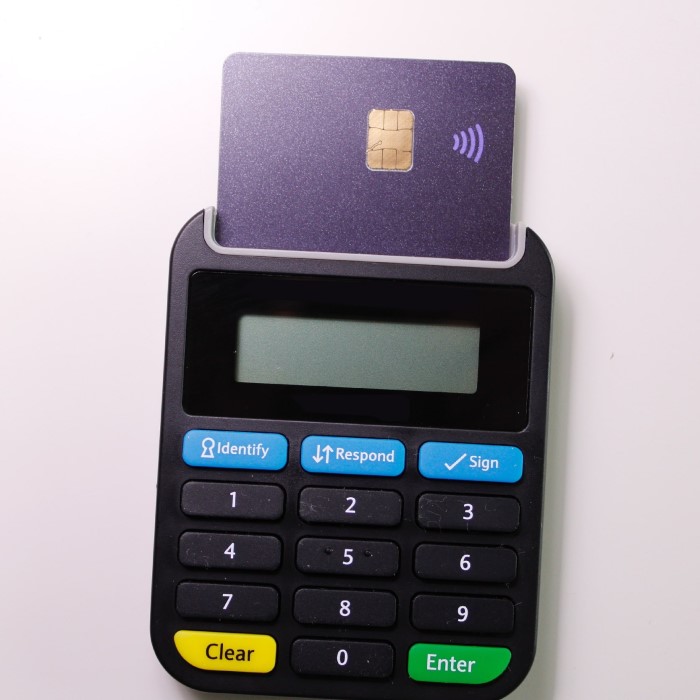
What is an E Card Reader?
An E Card Reader is a device that reads electronic cards. These cards store data in magnetic stripes, chips, or RFID tags. The reader extracts and processes this data for various purposes. Common electronic cards include credit and debit cards, ID cards, and access cards.
E Card Readers typically work by scanning the stored data. Magnetic stripe readers detect card information through magnetic fields. Chip readers interact with embedded microprocessor chips using contact or contactless methods. RFID readers use radio frequency signals to retrieve data wirelessly.
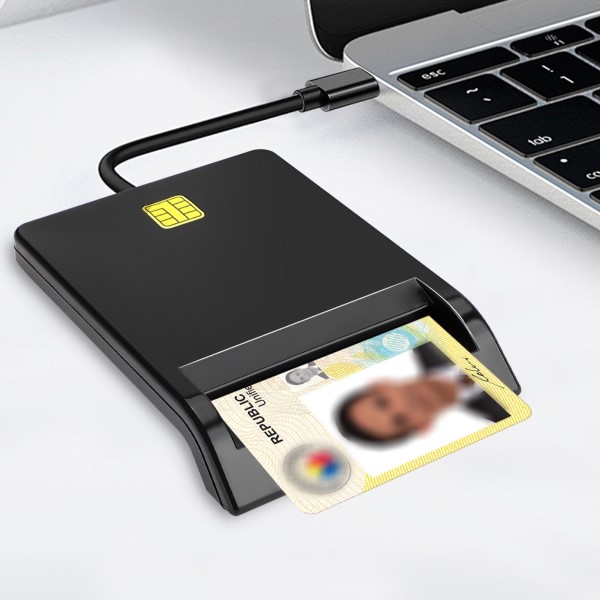
These devices are widely used across many sectors. Retailers use them for secure payments. Businesses adopt them for employee identification and access control. Governments deploy them for identity verification in public services.
E Card Readers improve convenience, security, and efficiency in daily operations. They are compact and easy to use, making them ideal for varied applications. As technology advances, the functionality and reliability of these devices continue to increase, transforming industries worldwide.
Types
E Card Readers come in various types based on the method of data extraction. Each type is designed to support specific functions and card variations.
Magnetic Stripe Card Readers
Magnetic stripe card readers are the most common type. They read data stored on magnetic stripes. Users swipe the card through the reader for quick data transfer. These are widely used in payment systems and access control.
Chip Card Readers
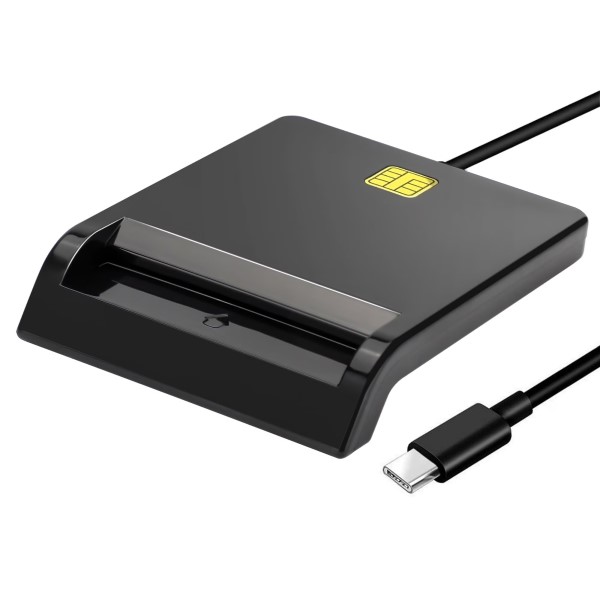
Chip card readers interact with a card’s embedded microprocessor chip. Contact-based chip readers require physical connection through slots. Contactless chip readers use NFC (Near Field Communication) for wireless scanning. These are highly secure and common in banking and ID verification.
RFID Card Readers
RFID (Radio Frequency Identification) card readers use radio waves to extract data wirelessly. These readers merely need cards to be near them. RFID technology is popular for inventory tracking and secure access systems.
Smart Card Readers
Smart card readers combine chip and magnetic stripe reading capabilities. They can process multiple types of data formats. These devices are versatile and widely used across industries, such as transport and healthcare.
Hybrid Card Readers
Hybrid card readers support multiple formats including magnetic stripe, chip, and RFID technologies. They are suited for diverse and complex operations. Businesses with varied requirements often rely on hybrid readers.
Understanding the types of E Card Readers helps in selecting the right device for specific needs. Their functionality and ease of use make them invaluable tools in modern operations.
How Do E Card Readers Operate?
E Card Readers process data stored in electronic cards seamlessly. Their operation depends on the card type and the embedded technology.
- Magnetic Stripe Card Readers: These readers detect the magnetic fields on the card’s stripe. When swiped, they capture and decode stored data quickly.
- Chip Card Readers: Contact-based chip readers require the chip to touch the connector for data exchange. Contactless chip readers use NFC technology to scan the card wirelessly.
- RFID Card Readers: RFID readers utilize radio waves to read data. The card must be near the reader for retrieval.
- Smart and Hybrid Card Readers: Smart card readers handle both chip and stripe data. Hybrid readers integrate stripe, chip, and RFID technologies for versatile use.
Most E Card Readers use built-in sensors or antennas to communicate with cards. They read encrypted data, decode it, and send commands to connected systems. These systems may include payment platforms, access controls, or tracking devices.
Users interact with the reader through simple actions: swiping, tapping, or inserting cards. The process is rapid and error-free, ensuring smooth functionality.
Understanding operational mechanisms aids in efficient application and troubleshooting of E Card Reader.

Uses of E Card Readers in Different Industries
E Card Readers have transformed operations in various industries by improving security and efficiency. Their ability to read and process data quickly makes them versatile tools across sectors. Below are some of their primary applications:
Retail and Hospitality
E Card Readers are widely used at point-of-sale systems to process payments. Customers can swipe, tap, or insert cards for smooth transactions. Many hotels and restaurants also use RFID card readers for room access and loyalty programs. These devices enhance the customer experience by ensuring fast and secure services.
Banking and Finance
Banks use E Card Readers for ATM and payment terminals. Chip card readers, in particular, ensure secure digital transactions. Contactless technology has also made card payments quicker. These devices help the sector prevent fraud and protect sensitive financial data.
Healthcare
Hospitals and clinics use E Card Readers for patient identification and record access. RFID readers track patient movements, equipment, and medications in real time. Smart card readers ensure accurate and confidential storage of medical data, streamlining operations.
Government and Public Services
Many governments deploy E Card Reader for identity verification in citizen services. People use smart ID cards for voting, driving licenses, and benefits access. These readers provide secure and efficient processing.
Transportation
The transportation sector uses E Card Reader for ticketing and toll collection. RFID readers enable faster boarding and contactless payments on buses and trains. Smart card readers simplify payment systems in urban transit.
Education
Schools and universities use E Card Reader for attendance tracking and access control. Students use ID cards enabled with magnetic stripes or RFID for campus activities. These readers improve safety and efficiency on school premises.
Corporate Offices
Businesses implement E Card Readers for employee identification and access management. RFID readers control entry to secure areas by scanning access cards. This enhances security in office spaces.
Entertainment and Events
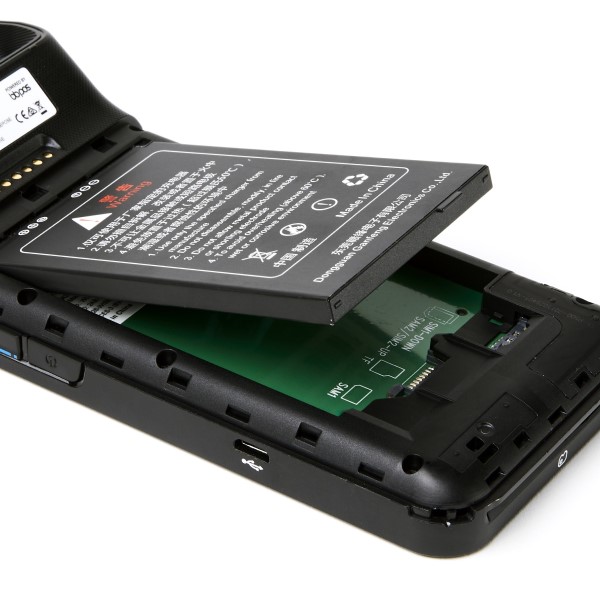
Venues and event organizers use E Card Reader for ticket scanning and access management. RFID wristbands often replace physical tickets, enabling seamless attendee experiences.
In conclusion, E Card Readers play a crucial role in diverse industries. They enhance productivity, streamline operations, and ensure security across different applications.
Benefits
E Card Readers offer a wide range of advantages. They improve efficiency, security, and convenience across industries.
Enhanced Security
E Card Readers ensure secure processing of card data. Encrypted systems prevent unauthorized access and fraud. Contactless options reduce risks associated with physical contact.
Improved Efficiency
They streamline processes like payments, access control, and data tracking. Fast data reading saves time in day-to-day operations. Businesses handle transactions and data more effectively.
User Convenience
E Card Readers simplify user interactions. Users swipe, tap, or insert cards for instant access. Contactless systems provide smooth and hassle-free experiences.
Versatile Applications
These devices work for payments, access management, and identification. They are adaptable to diverse industries including retail, healthcare, and transportation.
Cost-Effectiveness
Automating processes with E Card Readers reduces manual labor. This leads to lower operational costs over time. Businesses also save money on fraud prevention.
Real-Time Monitoring
RFID-enabled readers track inventory and movements in real-time. This improves management and operational accuracy.
Enhanced Customer Experience
Quick payment and access systems enhance customer satisfaction. Many industries rely on these readers to offer seamless services.
Scalability and Flexibility
E Card Readers support multiple card formats. Hybrid readers work with RFID, chips, and magnetic stripes. Businesses scale operations without switching devices.
E Card Readers transform industries by offering security, speed, and versatility. Their benefits make them essential in modern systems.
Key Technologies Behind E Card Readers
E Card Readers rely on advanced technologies to read and process data efficiently. These technologies ensure quick, accurate, and secure data transfer, making the devices reliable tools in various applications. Below are the key technologies that power E Card Readers:
Magnetic Stripe Technology
Magnetic stripe technology stores data on tracks embedded in the card’s stripe. When a card is swiped, the reader detects changes in the magnetic field. This data extraction process is fast and straightforward. It is one of the oldest but widely used technologies, particularly in retail and access control systems.
Chip Technology
Chip technology uses microprocessor chips embedded in cards to store data. Contact chip readers require physical contact with the card’s chip through slots. Contactless chip readers use NFC (Near Field Communication) to retrieve data wirelessly by tapping the card. This technology is highly secure due to encryption and authentication capabilities.
RFID Technology
RFID (Radio Frequency Identification) uses radio waves to retrieve data from cards. The reader sends out signals to detect RFID-enabled cards in proximity. This technology is known for its efficiency and is commonly used for access control, ticketing, and asset tracking.
NFC Technology
NFC (Near Field Communication) is a subset of RFID technology designed for short-range communication. It allows readers to extract data from cards with a simple tap or wave. NFC is widely used for mobile payments and contactless transactions.
Encryption and Security Protocols
E Card Readers adopt encryption to secure data during transmission. This prevents unauthorized access and ensures data safety. Advanced security protocols, such as EMV (Europay, Mastercard, Visa), protect against fraud in chip-based transactions.
Antenna and Sensor Integration
For contactless and RFID systems, antennas or sensors enable wireless data communication with cards. These components ensure quick and accurate scanning, even from a short distance, enhancing user convenience.
Multi-Interface Support
Many modern E Card Readers incorporate multi-interface capabilities. They combine magnetic stripe, chip, and RFID technologies. Hybrid readers offer this functionality to support diverse applications, providing flexibility to businesses.
Understanding these technologies helps users and businesses choose the right E Card Reader. Each technology serves specific purposes and adds value in its unique way.
Common Issues and Troubleshooting Tips
E Card Readers are reliable but can face occasional issues in various applications. Knowing common problems and their solutions ensures smooth operation.
Common Issues with E Card Readers
- Card Reading Failure: The reader might not read a card at all.
- This may be due to dirt on the reader or the card’s surface.
- Error Messages: Users may encounter error codes on the device display.
- These errors often relate to connectivity, software, or card compatibility.
- Slow Response Times: Data reading takes too long to process.
- It could stem from outdated software or hardware wear and tear.
- Intermittent Functionality: The reader works occasionally or inconsistently.
- Possible causes include loose connections or power supply issues.
- Reader Not Turning On: The device fails to power up.
- Check for power source issues or a damaged power cable.
- Mismatch with Card Type: The reader does not recognize a specific card.
- Ensure the reader supports that card’s technology (e.g., RFID, chip, magnetic stripe).
Troubleshooting Tips for E Card Reader
- Clean the Reader and Card: Dirt and debris can hinder functionality.
- Use a soft cloth or cleaning cards for regular maintenance.
- Check Connections: Inspect cables and ports for loose or damaged connections.
- Ensure all plugs are firmly seated.
- Update Firmware: Software updates can resolve compatibility and performance issues.
- Visit the manufacturer’s website for the latest updates.
- Restart the Device: Power-cycling the reader can fix many temporary glitches.
- Turn off the reader, wait a few seconds, and restart it.
- Replace Damaged Cards: Worn or damaged cards may not function well.
- Use a properly functioning card to test the reader.
- Verify Card Compatibility: Confirm the reader supports the card technology.
- For instance, a chip card won’t work in a magnetic stripe-only reader.
- Inspect the Power Supply: Ensure the device is receiving adequate power.
- Use a functioning outlet and power adapter.
- Consult the User Manual: Refer to the manual to decode error messages.
- Follow the provided troubleshooting instructions carefully.
- Contact Customer Support: Seek professional help for unresolved or complex problems.
- Reach out to the device’s manufacturer for assistance.
Preventive maintenance is key to ensuring trouble-free usage of E Card Reader. Addressing issues promptly minimizes disruptions.
Future Innovations in E Card Reader Technology
E Card Reader technology continues to evolve with rapid advancements in the digital world. Future innovations promise better security, efficiency, and functionality. Let’s explore some upcoming trends and potential advancements:
Enhanced Security Features
- Biometric Integration: Future E Card Readers may include fingerprint or facial recognition for added security.
- Advanced Encryption: Improved encryption standards will protect data from cyber threats and fraud.
- AI-Powered Fraud Detection: Artificial intelligence will help detect suspicious activities in real-time.
Improved Speed and Efficiency
- Faster Processing Times: Advanced chips will reduce data transfer times significantly.
- Real-Time Data Syncing: Integration with cloud platforms will enable instant data updates and accessibility.
- Low Latency Communication: Enhanced antennas and connectivity will ensure zero delays in data transmission.
Contactless and Wireless Advancements
- Longer Read Ranges: Improved RFID technology will enable seamless scans from greater distances.
- NFC Upgrades: The next generation of NFC will offer faster, ultra-secure transactions.
- Wireless Charging: E Card Readers may adopt wireless charging technology to eliminate the need for cables.
Multi-Functional Devices
- Hybrid Compatibility: Future devices will support magnetic stripe, chip, RFID, and other emerging technologies.
- Customizable Features: Users may personalize device settings for specific needs.
Environmental Sustainability
- Energy-Efficient Design: Innovations will focus on reducing energy consumption and extending battery life.
- Recycled Materials: Manufacturers will prioritize eco-friendly materials in making these devices.
- Compact and Lightweight Architecture: Compact designs will help reduce material usage and improve portability.
Advanced User Interfaces
- Touchscreen Panels: Interfaces may include touchscreens for simplified navigation and usage.
- Voice Command Features: Voice recognition will allow hands-free operation.
- User-Friendly Design: Devices will focus on simpler navigation for all users.
Integration with IoT and AI
- IoT Connectivity: E Card Readers will integrate seamlessly with smart devices and systems.
- Predictive Maintenance: AI will predict possible device malfunctions, reducing downtime.
- Broad Data Applications: Readers will analyze data to provide insights for decision-making.
The future of E Card Reader technology holds unlimited potential. These advancements will redefine how we secure data, make payments, and manage access systems.
Conclusion: Embracing E Card Readers
In summary, understanding how an e card reader works is vital for modern users looking to engage in secure, efficient, and convenient financial transactions. These devices not only facilitate quick payments but also enhance overall security, making them indispensable in today’s cashless society.
As the landscape of payment technology continues to evolve, staying informed about new developments and products is essential. By investing in reliable e card readers, users can enhance their transaction processes, improve customer satisfaction, and position themselves for success in a rapidly changing market.
 Griley