
Introduction
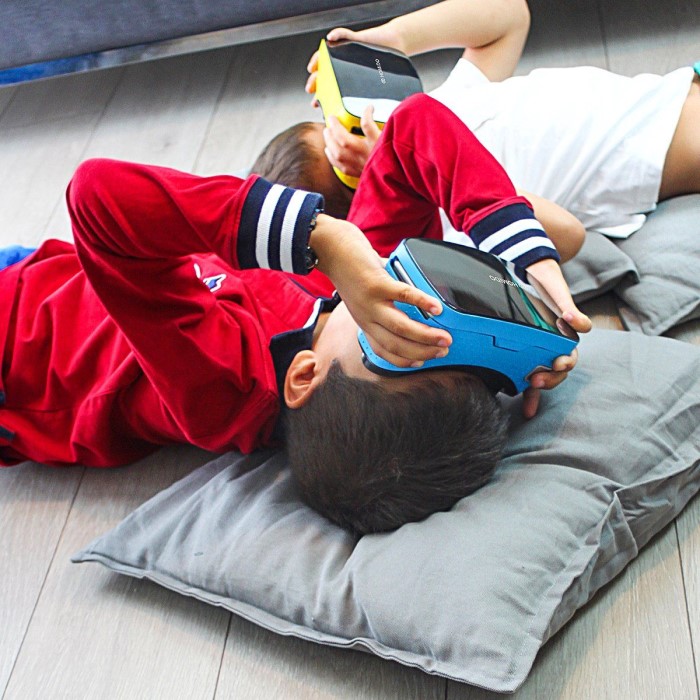
The world of virtual reality (VR) has captivated millions, providing immersive experiences that transport users into new realms of entertainment and creativity. While high-end VR systems often come with hefty price tags, a cardboard vr headset offers an accessible entry point for people of all ages. These DIY headsets allow anyone with a smartphone to explore virtual environments, engage with creative applications, and even experience educational content. This ability makes cardboard VR headsets particularly appealing, especially for families and educators.
In this in-depth guide, we will explore what a cardboard VR headset is, the materials needed to build your own, step-by-step instructions for construction, and tips for enhancing your virtual experience. By the end of this article, you’ll have the knowledge to create a functional and enjoyable VR headset, and have fun introducing your family or friends to the exciting world of virtual reality.
What is a Cardboard VR Headset?
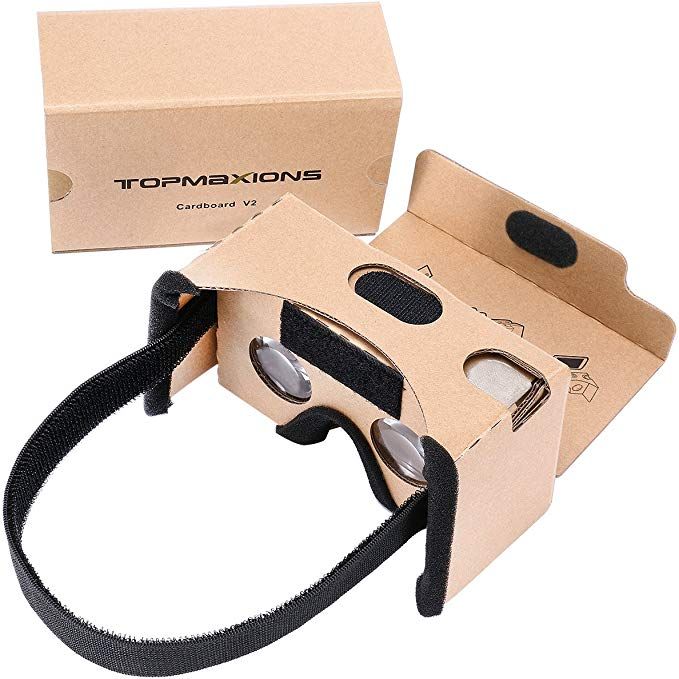
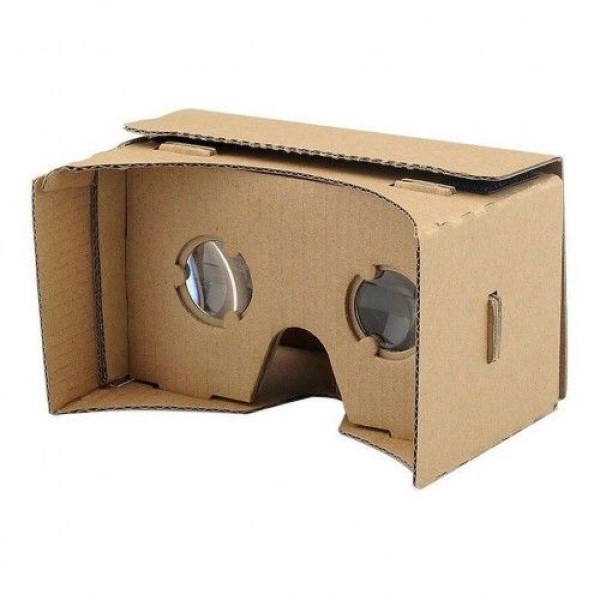
A cardboard VR headset is a simple yet effective VR device crafted mostly from cardboard. It provides an excellent alternative to more expensive options while still delivering engaging and immersive content.
1. Design and Mechanics
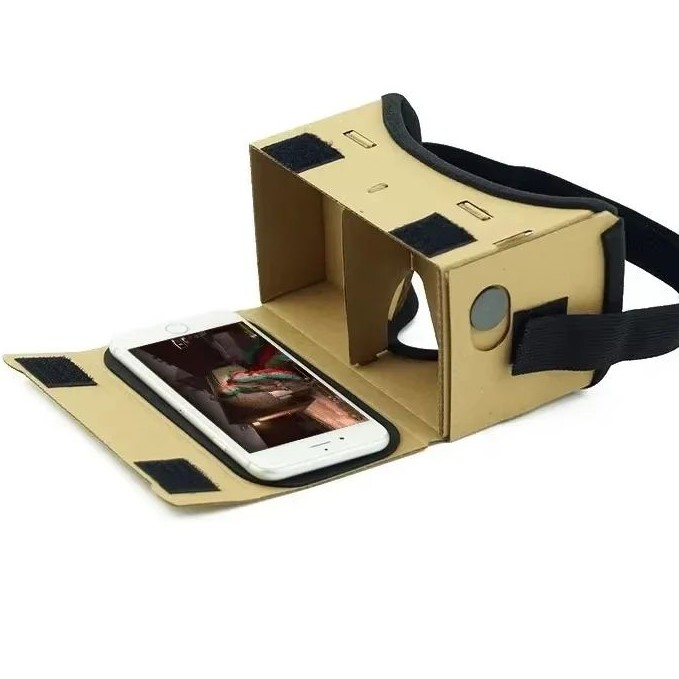
The basic design consists of a sturdy cardboard structure that houses lenses aligned with a smartphone’s screen. When placed in the console, the smartphone displays two slightly different images, which the lenses magnify and adjust for depth perception. This creates the illusion of a three-dimensional environment, enabling users to look around and interact with virtual worlds.
2. Accessibility and Affordability
One of the key attractions of cardboard VR headsets is their affordability. Users can often purchase them for as little as 5to30. Moreover, DIY options allow individuals to build their own headsets at minimal costs using materials typically found around the home. This accessibility makes VR technology available to a broader audience, fostering creativity and learning.
3. Educational and Recreational Uses
Beyond gaming, cardboard VR headsets are versatile tools for various applications. Educators can utilize VR to engage students with immersive lessons in subjects like history or science, allowing them to explore historical sites and biological systems interactively. For recreational use, children and adults alike can enjoy a variety of games and immersive video experiences.
Essential Materials for Your DIY Cardboard VR Headset
Creating your own cardboard VR headset requires a few essential materials. This section outlines what you will need to successfully build your headset.
1. Cardboard
Your primary material will be a sturdy piece of cardboard. You might consider using an old cardboard box, cereal boxes, or any other rigid cardboard material that you can cut and shape. The size should be large enough to accommodate the design and the dimensions of your smartphone.
2. Lenses
You’ll need a pair of lenses to complete your headset. Look for lenses specifically designed for VR headsets; you can find them online. Alternatively, repurpose lenses from old 3D glasses or magnifying glasses, provided they have the appropriate focal length.
3. Foam Padding or Felt
Adding foam padding or felt strips can significantly increase comfort. These materials will cushion the areas where the headset contacts the face, making it more comfortable during extended use.
4. Velcro or Elastic Bands
Using Velcro straps or elastic bands will secure your headset to your head, ensuring a snug fit while wearing it. These alternatives can hold your headset in place, so you can enjoy VR without discomfort.
5. Smartphone
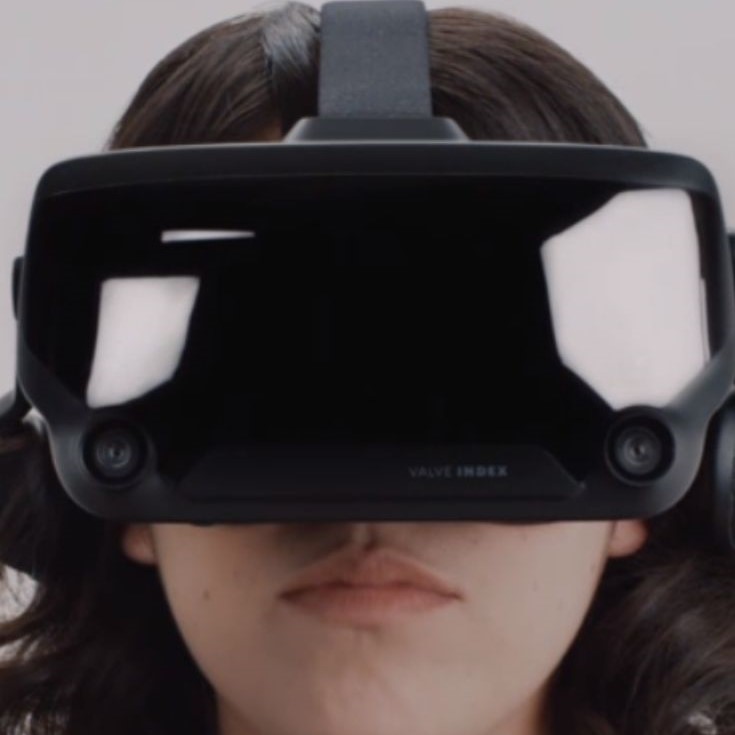
Finally, a compatible smartphone is essential for your cardboard VR headset. Most modern smartphones will work well, as long as they support VR applications. Ensure your phone has the necessary specifications for optimal performance in VR.
Step-by-Step Instructions to Build Your Own Cardboard VR Headset
Follow these detailed steps to create your own DIY cardboard VR headset. This straightforward guide simplifies the process for anyone looking to delve into VR technology.
Step 1: Design and Template
First, choose a template for your headset. Several printable templates are available online which can make the process easier. If you prefer, sketch your own design on a piece of cardboard, ensuring that you account for the dimensions of the lenses and smartphone.
Step 2: Cutting the Cardboard
Using scissors or a craft knife, carefully cut out the pieces according to your template. Ensure that you create holes for the lenses, the smartphone compartment, and any necessary ventilation. Precision is critical for a comfortable fit.
Step 3: Attaching the Lenses
Insert the lenses into their respective holes in the cardboard structure. Secure them in place using strong adhesive or tape. Ensure that they align properly with the area where the eyes will be positioned for optimal viewing.
Step 4: Making the Smartphone Slot
Cut an opening in the front of the headset for the smartphone. The slot should match the dimensions of your device so that it fits securely without falling out during use. Accurately measure your phone and adjust the dimensions accordingly.
Step 5: Adding Comfort Padding
Attach the foam padding or felt strips to the inner edges of the headset where it will come into contact with the face. This step enhances user comfort, allowing for extended use without irritation.
Step 6: Assembling the Headset
Fold and assemble the cardboard pieces according to your design. Use tape or glue to hold the structure together. Ensure that the device remains sturdy and stable. Check that the smartphone compartment is accessible and easy to use.
Step 7: Testing Your Headset
Once assembled, insert your smartphone into the designated slot and launch compatible VR applications. Make adjustments as necessary to ensure the lenses properly align with the display for a clear, immersive experience.
Enhancing Your VR Experience: Tips and Tricks
Now that you have created your DIY cardboard VR headset, here are some tips to enhance your overall experience.
1. Selecting Quality VR Apps
Explore a variety of VR applications available for your smartphone. Free and low-cost VR options can offer invaluable experiences. Educational VR apps, immersive games, and 360-degree videos can significantly enrich your time using your headset.
2. Setting Up Your Experience Area
Select a suitable environment for your VR experience. Ensure that you have a clear, open space free of obstacles or distractions. Establishing a designated VR area will help minimize the risk of accidents while using the headset.
3. Adjusting Settings for Comfort
Don’t forget to customize visual settings within the VR apps. Adjust brightness, field of view, and audio settings to optimize comfort during use. Fine-tuning these features can significantly impact your overall experience.
4. Scheduling Breaks
It is essential to take breaks during prolonged VR use. Set a timer to remind yourself to step out of the virtual world periodically. This practice helps avoid discomfort, motion sickness, and eye strain.
5. Sharing VR Experiences
Enhancing Enjoyment
Using a VR headset becomes significantly more enjoyable when shared with others. Experiencing virtual reality together amplifies the fun, as participants can share their reactions and immerse themselves in the experience collectively. This shared excitement creates memorable moments that can lead to laughter, surprise, and overall enjoyment.
Encouraging Friends and Family
When you have a cardboard VR headset, encourage friends and family members to give it a try. Invite them to join you in exploring VR applications, whether it be gaming, virtual tours, or 360-degree videos. This approach allows everyone to partake in the adventures waiting within the virtual realm, fostering a sense of camaraderie.
Fostering Different Viewpoints
Sharing VR experiences allows each user to provide their unique perspective. As friends and family explore together, they can notice different aspects of the virtual environment or game that others may overlook. This diverse range of viewpoints adds depth to the experience and enriches the discussion among participants.
Engaging in Discussions
After using the VR headset, take the opportunity to engage in discussions about what everyone has experienced. Talk about favorite scenes, exciting moments, or even challenges faced within the VR world. These discussions help process the experience and deepen connections among participants, as they share insights and reactions.
Inspiring Future Exploration
Sharing experiences can inspire others to explore additional VR content. If someone has a particularly exciting or engaging experience, they may be motivated to seek out more VR applications or encourage others to join in future adventures. These shared interactions can lead to discovering new interests and expanding everyone’s knowledge of virtual reality.
Organizing Group VR Sessions
Consider hosting group VR sessions as a fun social activity. Gather friends or family members for a VR gaming night or a virtual travel experience. Set up multiple headsets if possible, allowing everyone to participate and share the experience simultaneously. This organized approach will foster social bonding through shared discovery and exploration.
Promoting Teamwork
Some VR applications involve cooperative gameplay or team-based challenges. Engaging in these types of experiences encourages teamwork and collaboration. Participants can strategize together, learn from one another, and celebrate achievements as a group.
Frequently Asked Questions
Do Cardboard VR headsets work?
Yes, cardboard VR headsets work effectively by using lenses to magnify a smartphone’s display. Users can enjoy affordable and immersive virtual reality experiences with the right applications.
Is Google Cardboard still available?
Yes, Google Cardboard is still available and remains a popular choice among budget-conscious consumers. Many manufacturers continue to produce their versions inspired by the original design.
How much is Google Cardboard VR?
The cost of Google Cardboard VR headsets can range from around 5to30. Various manufacturers provide different features and quality levels for their products.
How to make Cardboard 2.0 VR?
Creating advanced versions like Cardboard 2.0 involves using higher-quality lenses, dual-headsets for a better experience, or adding integrated controls. Manufacturers provide templates or guides to aid in building improved sets.
Conclusion: Embrace the Virtual Reality Adventure
Building your own cardboard vr headset opens a gateway to the exciting world of virtual reality. With an understanding of its benefits, essential materials, assembly instructions, and tips for an enriching experience, you’re now equipped to explore VR technology affordably and creatively.
Get ready to immerse yourself in extraordinary worlds, embrace education in unique ways, and discover new realms—all from the comfort of your own home. By engaging with VR, you can transform how you learn, play, and connect with others. Enjoy the journey into virtual reality and share the excitement of discovery with friends and family!