
Introduction: The Rise of Virtual Reality
Virtual reality (VR) technology has rapidly gained popularity over the last few years, transforming how we interact with digital environments. How does a VR headset work? This question is at the core of unraveling the technology that creates immersive experiences and interactive environments. VR headsets plunge users into fully realized virtual worlds where they can experience everything from thrilling adventures in gaming to virtual tours of historical sites. These devices use a variety of technologies, including advanced sensors, displays, and optics, to provide an engaging user experience. In this comprehensive article, we will explore the inner workings of VR headsets, their key components, and the applications that make this technology so exciting.
Understanding the Basics of Virtual Reality
1. The Concept of Virtual Reality
Virtual reality is a simulated experience that can replicate or create an entirely different environment.
- Immersive Environments: VR aims to immerse the user in a digital world, making them feel as if they are physically present in that environment. This could range from fantastical landscapes in video games to realistic simulations in training programs.
- Sensory Engagement: The experience is designed to engage multiple senses, including sight, sound, and sometimes even touch, to enhance the feeling of presence in the virtual world.
2. Key Components of a VR Headset
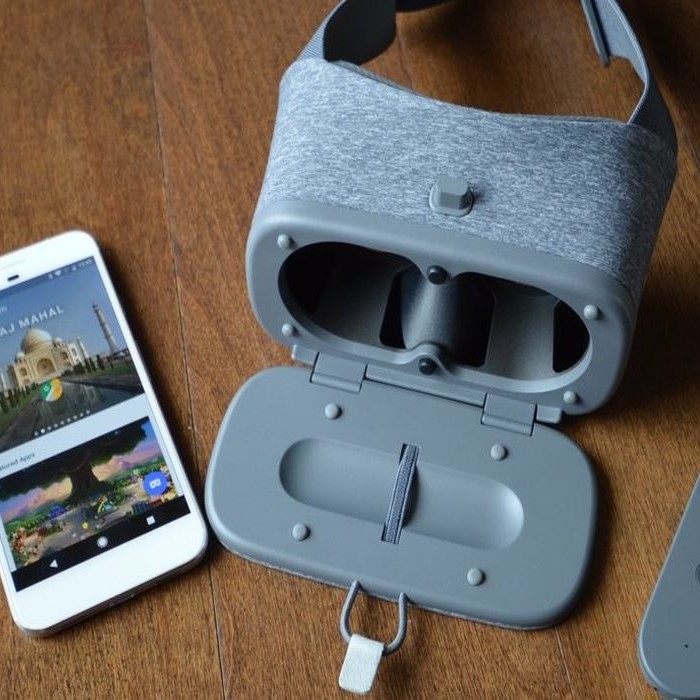
To understand how does a VR headset work, it’s essential to look at its main components:
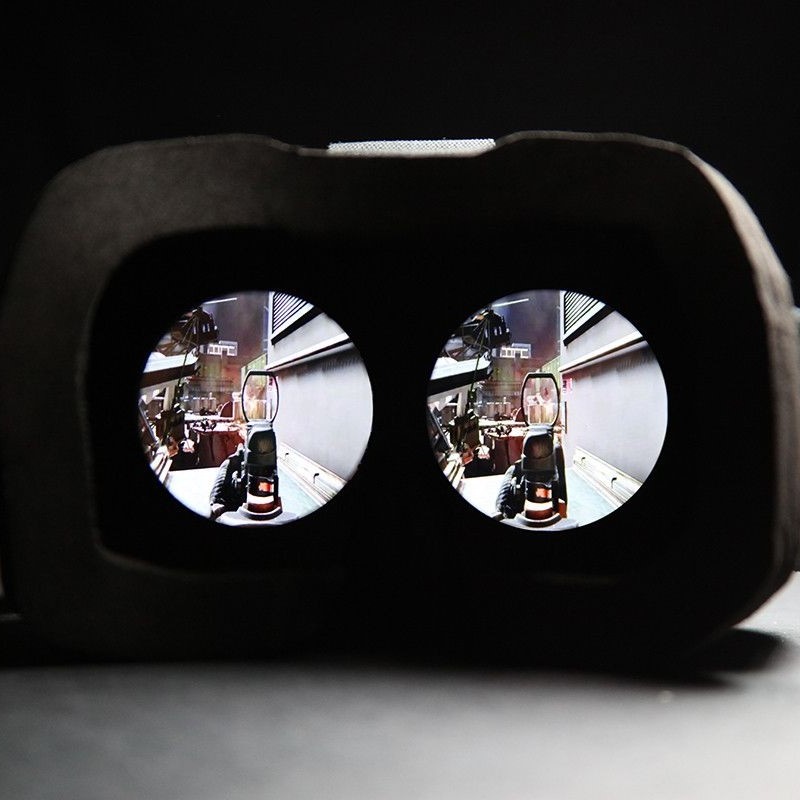
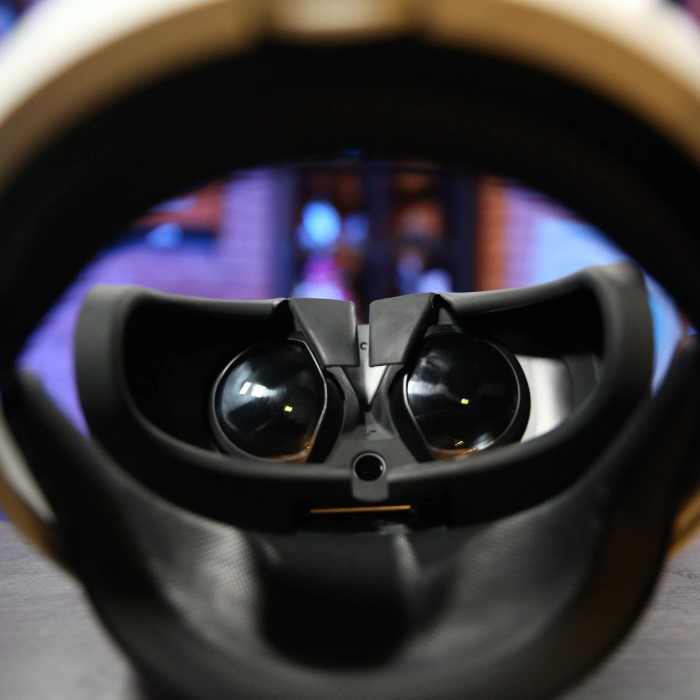
- Displays: Most VR headsets are equipped with high-resolution displays—either OLED (Organic Light Emitting Diodes) or LCD (Liquid Crystal Display) panels. These screens are critical for providing clear images and maintaining high refresh rates to reduce motion blur and enhance realism.
- Lenses: Lenses are placed between the eyes and the display to create a wider field of view and to magnify the images on the display. The design of the lenses helps to reduce distortion and improve depth perception, which is vital for immersion.
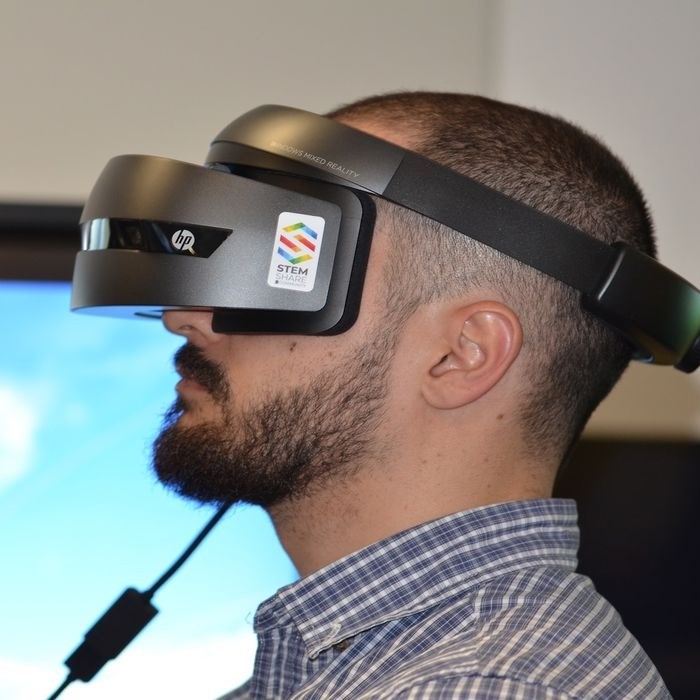
- Sensors: VR headsets use a variety of sensors to track head movements and body positioning. This includes accelerometers, gyroscopes, and sometimes external cameras that observe the user’s environment. By tracking the orientation and position of the user’s head, these sensors enable a responsive experience that adapts to their movements.
How Does a VR Headset Work?
1. Motion Tracking and Interaction
How does a vr headset work? Motion tracking is fundamental to the VR experience, allowing users to look around and interact with the virtual environment naturally.
- Head Tracking: Most VR headsets utilize 3D positional tracking. When you move your head, the headset’s sensors detect this movement and adjust the perspective in the virtual world in real time. This responsiveness is crucial for maintaining immersion.
- Controller Interaction: Many VR setups come with hand-held controllers equipped with similar motion sensors. These devices allow users to interact with the virtual world through gestures, selection, and manipulation of objects, enhancing the experience and making it more engaging.
2. Audio Systems in VR
Sound is a critical component of the immersive experience in virtual reality.
- Spatial Audio: VR headsets are typically designed with built-in headphones or support for high-quality external audio systems. They often utilize spatial audio technology, which simulates sounds from different directions. This creates an environment where users can hear sounds coming from specific locations, making the experience feel more realistic.
- Importance of Sound: Good audio design can significantly enhance emotional engagement. For example, in a horror game, subtle background noises can increase tension, while dynamic music can elevate excitement in action scenes.
Immersive Experiences with VR Headsets
1. Types of VR Experiences
How does a vr headset work? VR headsets are not just limited to gaming; they offer various experiences that can be categorized broadly:
Gaming
- Immersion and Engagement: Virtual reality has revolutionized gaming by providing players with immersive experiences that traditional gaming setups cannot match. Games like “Half-Life: Alyx” and “Beat Saber” utilize the capabilities of VR headsets to engage players in ways that enhance their connection to the game.
- Active Participation: Unlike conventional gaming, VR allows users to move physically within the game environment. Players can duck, dodge, and navigate virtual spaces, creating a sense of presence that makes gameplay more exhilarating and lifelike.
- Interaction with the Environment: VR games are designed to foster direct interaction with game elements. Players can pick up objects, manipulate items, and engage with characters in a way that feels natural, deepening immersion and enjoyment.
- Popular Titles:
- “Half-Life: Alyx”: This critically acclaimed title from Valve takes players through a richly detailed world filled with engaging storytelling and complex interactions. It showcases how VR can elevate narrative-driven games by allowing players to experience the story from a first-person perspective.
- “Beat Saber”: A rhythm-based game where players slice through blocks to the beat of the music using virtual lightsabers. The game is praised for its engaging mechanics and high level of physical activity, which keeps players moving and energized.
Education and Training
- Innovative Learning Experiences: Virtual reality has made significant strides in educational settings by providing interactive learning experiences that transcend traditional methods. VR creates opportunities for students to explore complex subjects in an engaging and memorable manner.
- Realistic Simulations: VR allows for realistic simulations that can teach users practical skills in a safe environment. For example, medical students can practice surgical techniques in a virtual operating room without the risks associated with real-life procedures.
- Fields of Application:
- Medicine: VR can simulate surgeries or patient interactions, giving students hands-on experience while being mentored by virtual instructors. This method enhances understanding and retention of essential skills.
- Aviation: Flight simulators powered by VR technology allow aspiring pilots to engage in realistic flight training. This immersive experience helps them learn navigation and emergency protocols without leaving the ground.
- Engineering: Engineering students can visualize complex structures and systems in 3D, allowing them to comprehend intricate details that are difficult to grasp through traditional textbooks alone.
- Hands-On Approach: By eliminating real-world risks associated with learning practical skills, VR enables students to make mistakes and learn from them in a controlled environment, ultimately leading to better preparedness when entering their respective fields.
Virtual Tourism
- Expanding Accessibility to Travel: Virtual reality technology offers exciting possibilities for users to explore different destinations without the need for physical travel. This innovation is particularly beneficial for those who may be unable to travel due to various constraints, including financial, physical, or time-related limitations.
- Virtual Tours: Many applications and platforms provide virtual tours of famous landmarks, cultural heritage sites, and museums, allowing users to explore these locations from the comfort of their homes. With VR, a user can walk through the Louvre in Paris or visit the Great Wall of China without ever leaving their living room.
- Engagement with Culture: Virtual tourism also emphasizes cultural experiences. Users can immerse themselves in different cultures, attend virtual festivals, and experience local traditions. This leaves them feeling more connected to the places they explore.
- Benefits of Virtual Tourism:
- Cost-Effective: Virtual tourism can significantly reduce costs associated with travel—no airfare, accommodation, or transportation fees. Instead, users can enjoy the experience with just a VR headset and internet connection.
- Environmental Impact: As people become increasingly aware of the environmental impact of travel, virtual tourism provides an eco-friendly alternative that reduces carbon footprints.
- Inclusivity: Virtual travel is particularly advantageous for individuals with disabilities or mobility issues. It opens up possibilities for experiencing the world that may otherwise be inaccessible.
2. Real-World Applications
Businesses and industries are increasingly adopting VR technology for various practical applications.
- Therapeutic Uses: VR is gaining traction in mental health treatment. It’s used for exposure therapy with patients suffering from anxiety disorders, phobias, and PTSD. Controlled environments allow therapists to guide patients safely through their fears.
- Architectural Visualization: Architects and designers utilize VR to present their designs to clients in an immersive way. This allows stakeholders to experience space planning before implementation.
The Future of VR Headsets
1. Technological Innovations
The future of VR is full of potential, with advancements on the horizon.
- Standalone Devices: Standalone VR headsets, such as the Meta Quest series, are becoming more popular. These devices do not require external hardware, providing a more convenient and accessible option for users.
- Improved Tracking and Responsiveness: Future headsets may feature enhanced tracking systems that provide even finer motion tracking, reducing latency and further immersing users in virtual environments.
2. Broader Applications
As companies explore new ways to incorporate VR technology, various applications will emerge.
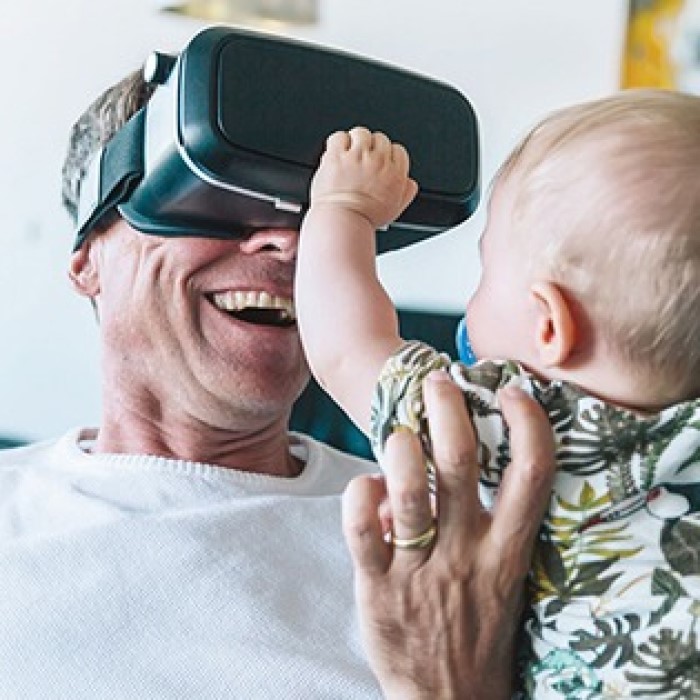
- Social Interaction: VR platforms aim to enhance social connectivity, allowing friends and families to meet in virtual spaces. This experience can make remote interactions feel more personal and engaging.
- Integration with Augmented Reality: The line between virtual and augmented reality continues to blur. Future devices may combine both technologies for richer user experiences, enabling users to interact with the real world while immersing themselves in virtual content.
Frequently Asked Questions
What do you need to use a VR headset?
To use a VR headset, you typically need a compatible gaming console, a high-performance gaming PC, or a standalone VR device. Additionally, you will need space to move comfortably and interact with the virtual environment.
How do VR headsets work?
VR headsets work by combining displays, lenses, motion tracking sensors, and audio to create an immersive environment. The technology tracks head and hand movements, adjusting the virtual world accordingly, and engages users through sight and sound.
Does a VR headset need to be connected to anything?
Some VR headsets require a connection to a PC or console, while standalone headsets are self-contained devices that do not need any additional connections. This flexibility allows users to choose a system that best fits their preferences.
How do I get games on my VR headset?
You can acquire games for your VR headset by visiting dedicated online stores or platforms specific to your device. For example, the Oculus Store provides access to a variety of VR games that can be purchased and downloaded directly onto Oculus devices.
Conclusion: Embracing the Future of Virtual Reality
In summary, how does a VR headset work involves understanding the sophisticated technologies that create immersive experiences. From display technology to motion sensors and audio systems, each component plays a vital role in delivering captivating virtual environments. As VR technology evolves, it opens the door to new and exciting applications across various industries, ranging from entertainment to education and beyond.
The potential of virtual reality is immense, allowing users to explore, learn, and interact in ways previously thought impossible. By embracing this technology, individuals can dive into worlds beyond their imagination while reshaping how we perceive and engage with the digital landscape. As VR continues to advance, the future promises even more innovative experiences, further enhancing the impact of this remarkable technology in our lives.