
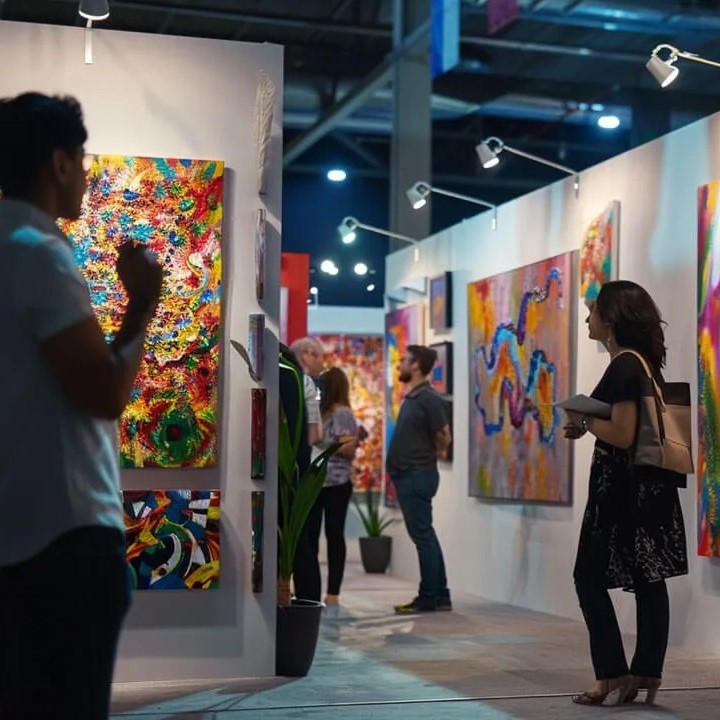
The fusion of technology and creativity has led to an exciting new frontier in the art world—AI generated art. As artificial intelligence continues to evolve, many are asking an important question: “Can you sell AI generated art?” This inquiry opens the door to discussions about legality, ethics, market trends, and profit potential. In this comprehensive guide, we’ll delve into what selling AI-generated art entails, address pertinent questions about legality and profit, and provide essential insights for artists entering this burgeoning field in 2026.

Understanding AI Generated Art
AI generated art refers to artwork created with the assistance of artificial intelligence algorithms. This innovative approach allows individuals, including those without traditional artistic training, to produce striking and unique pieces.
The Process of Creation
- How It Works: AI-generated art primarily involves the use of machine learning techniques, such as neural networks and generative adversarial networks (GANs). These algorithms learn from existing artworks, developing the ability to generate new images based on learned styles and techniques.
- Diversity of Output: The output can vary dramatically, ranging from abstract compositions to photorealistic images. This diversity allows artists to explore various styles, ensuring that AI-generated works can appeal to a broad audience.
The Growing Market for AI Generated Art
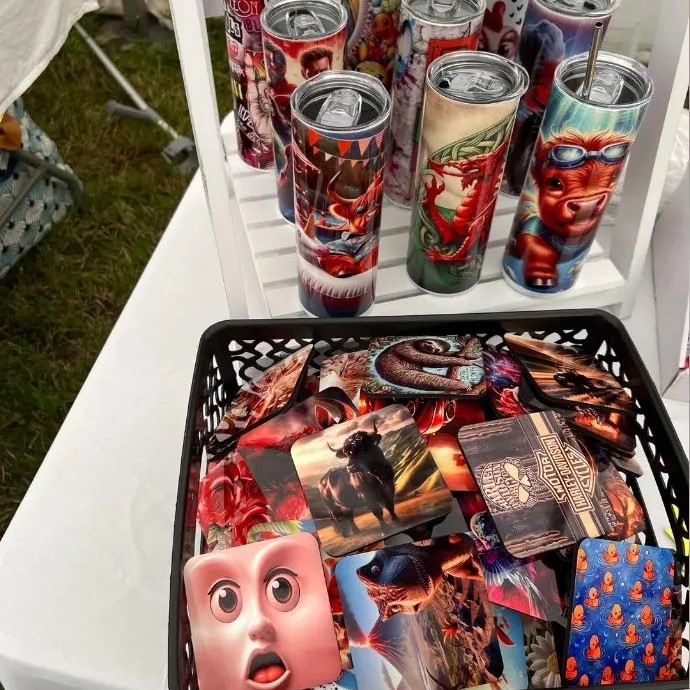
Can you sell ai generated art? The market for AI-generated art has notably expanded over the past several years. This growth offers potential for artists and entrepreneurs alike.
Demand and Interest
- Increased Curiosity: The novelty of AI-generated artwork has sparked interest among collectors and art enthusiasts. Many buyers are drawn to the idea of owning a unique piece generated by an algorithm.
- Integration with Technology: With advancements in digital platforms, selling AI-generated art has become more accessible. NFTs (non-fungible tokens) and online galleries create new opportunities for artists to reach potential buyers directly.
- Diverse Applications: AI art finds applications in various sectors, from advertising to gaming and interior decoration. The versatility of AI-generated art increases its appeal across multiple industries.
Legal Considerations for Selling AI Generated Art
While the market potential is enticing, several legal factors must be considered before engaging in the sale of AI-generated art.
Copyright and Ownership Issues
- Who Owns the Art? A key legal question surrounds the ownership of AI-generated artworks. If an algorithm generates an art piece independently, the question remains: Who holds the copyright? This can lead to complexities in the sale process.
- User Agreements and Terms of Service: Many AI art platforms include terms that specify ownership rights of created artworks. Understanding these terms is crucial before attempting to sell any generated pieces.
- Human Input Considerations: If a human artist substantially influences the creation of an AI-generated piece, they may qualify for copyright. Significant creative input can clarify ownership and protect the artist’s rights.

Protecting Your Works
- Registering Copyrights: To legally protect your creations, you can register them for copyright in jurisdictions that allow it. This provides a formal avenue for defending rights against unauthorized use.
- Attributing AI Contributions: Transparency is essential. When selling AI-generated art, consider mentioning the AI tool used in the creative process. This not only clarifies the artistic process but also builds trust with potential buyers.
Monetizing AI Generated Art
Can you sell ai generated art? Once you’ve grasped the legal landscape, the next step is exploring effective methods for monetizing AI-generated art.
Pricing Your Art
- Determining Value: The pricing of AI-generated art can be challenging. Factors to consider include the uniqueness of the piece, the platform for selling, and market demand.
- Studying Market Trends: Analyze similar artworks to understand their pricing. This will help you set competitive and reasonable prices for your own creations.
Selling Platforms
- Digital Marketplaces: Various online platforms facilitate the sale of AI-generated art. Websites like OpenSea for NFTs, Etsy, and Saatchi Art are great options for showcasing and selling your pieces.
- Social Media Presence: Utilize social media to build a following and showcase your work. Platforms like Instagram and Pinterest are ideal for visually appealing artwork. Engage with audiences and promote your pieces directly.
- Personal Website: Creating a personal website can enhance your credibility as an artist. This central hub allows you to display your portfolio, provide product information, and interact with potential buyers.

The Future of Selling AI Generated Art
As technology continues to advance, the methods for selling AI-generated art will also evolve. Keeping abreast of trends will be vital for success.
Trends to Watch
Technological Advancements
- Evolution of AI Tools: The rapid progression of artificial intelligence is paving the way for the development of new creative tools and software designed specifically for artists. These advancements can simplify complex processes, making art creation more accessible to everyone.
- Enhanced Capabilities: New AI technologies may offer features like improved image recognition, style transfer, and real-time rendering, enabling artists to create more intricate and dynamic works. Artists can experiment with different styles and techniques effortlessly, expanding their creative horizons.
- User-Friendly Interfaces: As technology advances, software developers are likely to create more intuitive interfaces that allow artists of all skill levels to harness AI tools. User-friendly designs can make it easier for artists to integrate AI into their creative processes.
- Staying Competitive: To thrive in this evolving landscape, artists must continually educate themselves about the latest tools and technologies. Engaging with online courses, tutorials, and communities can help artists stay informed and leverage new capabilities effectively.
Legal Framework Changes
- Evolving Legislation: As the market for AI-generated art expands, the legal implications surrounding ownership, copyright, and intellectual property will require careful consideration. Governments and legal bodies are likely to adapt existing laws or create new regulations to address these challenges.
- Impacts on Artists and Sellers: Artists and sellers must stay vigilant regarding changes to copyright laws and intellectual property rights that specifically pertain to AI-generated works. These changes can influence who owns the rights to art created using AI and how those rights are enforced.
- Compliance and Best Practices: Keeping abreast of legal updates can help artists avoid potential disputes and ensure that they are compliant with current laws. Regularly reviewing terms of service on AI platforms, as well as understanding your rights when utilizing these tools, is crucial.
- Legal Resources: Artists may benefit from consulting legal experts specializing in art law and intellectual property. Understanding the implications of selling AI-generated art will help artists navigate the complexities of ownership and rights.
Collaborative Creations
- Hybrid Artistic Approaches: Collaborations between human artists and AI can lead to innovative works that combine the strengths of both. This blend enriches the artistic process, introducing unique perspectives and techniques.
- Exploring New Aesthetics: By partnering with AI, artists can create pieces that might not be possible through traditional methods. AI can generate unexpected styles, enabling artists to explore new aesthetics and concepts in their work.
- Fostering Creativity: Collaboration with AI encourages artists to step outside their comfort zones. Working alongside AI tools can cultivate a new form of creativity, where artists can focus more on conceptualization and less on technical execution.
- Examples of Successful Collaborations: There are already examples in the art world where human artists have teamed up with AI to produce notable artworks. These collaborations showcase how technology can enhance, rather than replace, human creativity, leading to extraordinary results.
Frequently Asked Questions
Is it illegal to sell AI-generated art?
No, it is not illegal to sell AI-generated art. However, understanding ownership is crucial before proceeding with any sales.
Can you make money selling AI-generated art?
Yes, many artists successfully monetize AI-generated art through various platforms. The market for such works is growing, offering opportunities for profit.
Can you sell art from ChatGPT?
ChatGPT is primarily a text-based AI and not a visual art generator. For selling visual art, use AI platforms designed for image generation, and ensure understanding of the associated rights.
What is the most profitable art to sell?
Profitability varies, but digital art, especially through NFTs or AI-generated pieces, is currently showing high profit potential due to increasing interest and accessibility in the market.
Conclusion
The question of can you sell AI generated art brings with it a myriad of opportunities and challenges. The future for AI-generated artwork looks promising, driven by interest and technological advancements. By navigating the legal landscape, employing effective monetization strategies, and staying informed about industry trends, artists can successfully dive into this vibrant field.
Selling AI-generated art not only expands creative horizons but also taps into a dynamic marketplace. Embrace the possibilities that AI offers, and explore the new frontiers of artistic expression while developing your brand in this groundbreaking era of art. The fusion of creativity and technology is not just a trend; it represents the future of art itself.