
The Rise of Mini LED and OLED in 2026
In recent years, the television industry has seen a major shift in display technology. As we move into 2026, two leading contenders stand out: mini led vs oled. Both offer high-quality visuals, but they differ significantly in how they produce images and integrate with modern smart homes.
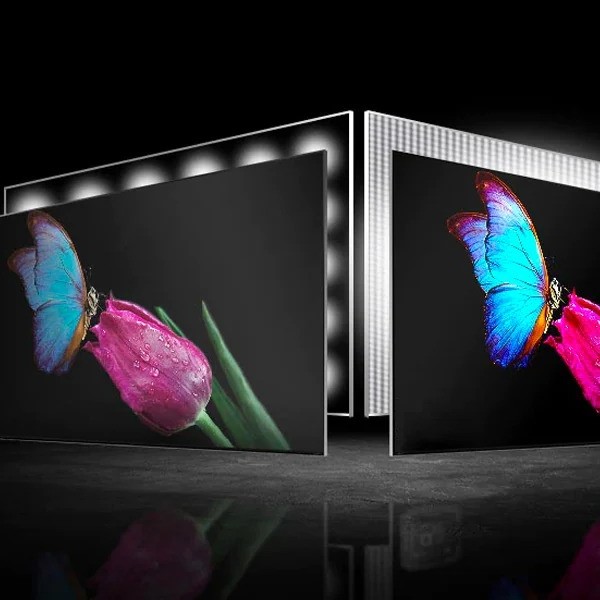
Mini LED is an evolution of traditional LED-backlit LCD technology. It uses smaller LED chips that allow for more precise backlighting, resulting in better contrast and brightness. On the other hand, OLED (Organic Light Emitting Diode) technology relies on individual pixels that emit their own light. This allows for perfect blacks, infinite contrast ratios, and superior viewing angles.
As smart home adoption increases, consumers are not just looking for picture quality anymore. They want TVs that can easily connect with other devices like smart speakers, lighting systems, and security cameras. In this context, understanding how mini led vs oled perform in terms of smart home integration becomes crucial.
This article will explore the key differences between these two technologies and analyze which one leads in smart home compatibility in 2026.
Understanding Mini LED Technology
Mini LED is a variation of the standard LED-backlit LCD used in many televisions. Instead of using large LED panels, it employs much smaller LED chips—often measuring less than 100 micrometers. These tiny LEDs allow manufacturers to pack thousands of them behind the screen, enabling dynamic local dimming zones.
Thanks to this advancement, Mini LED TVs can deliver brighter highlights and deeper blacks compared to traditional LED TVs. However, they still rely on an LCD panel to filter the light from the LEDs. This means that while Mini LED improves upon older technologies, it does not match OLED’s ability to turn off individual pixels completely.
One of the main advantages of Mini LED is its brightness. These TVs can reach peak brightness levels of over 3,000 nits, making them ideal for well-lit rooms or HDR content. Additionally, Mini LED TVs tend to be more affordable than OLED models at similar sizes and resolutions.
When it comes to smart home integration, Mini LED TVs often come equipped with popular voice assistants like Alexa, Google Assistant, and Siri. They also support common smart home protocols such as Zigbee and Z-Wave through built-in apps or compatible hubs.
However, despite their strengths in brightness and price, Mini LED TVs may lag slightly behind OLEDs when it comes to color accuracy and black levels. This makes the choice between mini led vs oled a matter of personal preference and usage scenario.

The Advantages of OLED Technology
OLED stands for Organic Light-Emitting Diodes, and it represents a significant leap forward in display technology. Unlike Mini LED, OLED doesn’t require a backlight because each pixel emits its own light. This results in true blacks, excellent contrast, and wide viewing angles.
One of the most notable benefits of OLED is its ability to deliver deep, rich colors with accurate reproduction. Because each pixel can be individually controlled, there is no light bleeding or haloing around bright objects, even in dark scenes. This makes OLED TVs particularly appealing for movie enthusiasts and gamers who value immersive visual experiences.
Another advantage of OLED is its thin form factor. Since there’s no need for a separate backlight, OLED panels can be made very slim. Some models are even flexible or curved, offering unique design possibilities. This makes OLED a preferred choice for those who prioritize aesthetics and space-saving solutions.
In terms of smart home integration, OLED TVs generally offer robust connectivity options. Many high-end models include built-in Wi-Fi 6, Bluetooth 5.0, and support for voice assistants. Some brands also provide dedicated smart home apps that let users control lights, thermostats, and security systems directly from the TV remote.
Despite these benefits, OLED TVs tend to be more expensive than Mini LED models. Additionally, some users have raised concerns about potential burn-in issues if static images are displayed for extended periods. Manufacturers have improved anti-burn-in features, but it remains a consideration when comparing mini led vs oled.
Smart Home Integration Features Compared
Smart home integration is a critical factor when choosing a new television in 2026. Both Mini LED and OLED TVs offer varying degrees of compatibility with smart home ecosystems, but there are key differences worth noting.
Firstly, both types of TVs typically support popular voice assistants such as Amazon Alexa, Google Assistant, and Apple’s Siri. These integrations allow users to control volume, change channels, or launch streaming apps hands-free. For example, saying “Hey Google, play Netflix” should work seamlessly on both platforms.
Secondly, smart home app support varies depending on the brand and model. High-end OLED TVs often come with pre-installed apps for smart home platforms like Samsung SmartThings, Apple HomeKit, or Google Home. This allows users to control lights, locks, and thermostats from the TV interface. Mini LED TVs usually follow suit, especially from major brands like LG, Sony, and TCL.
Thirdly, hardware-level support for smart home protocols like Zigbee and Z-Wave is becoming more common. While some Mini LED TVs require an external hub for full compatibility, many newer models now include built-in Zigbee radios. OLED TVs, particularly from brands like LG and Sony, tend to lead in this area due to their higher-end positioning and advanced features.
Lastly, user experience plays a big role in smart home integration. A TV with a cluttered menu system or slow response time can frustrate users. Fortunately, both Mini LED and OLED TVs have improved significantly in this regard. Many models now feature intuitive interfaces and quick access to smart home controls.
In summary, while both technologies offer strong smart home integration, OLED TVs may have a slight edge in terms of app support, protocol compatibility, and overall user experience. Still, budget-friendly Mini LED models are catching up fast.

Picture Quality Comparison: Mini LED vs OLED
Picture quality is one of the most important aspects when evaluating mini led vs oled TVs. Each technology has its strengths and weaknesses, and the best choice depends on your preferences and usage environment.
OLED excels in delivering deep blacks and infinite contrast ratios. Since each pixel can be turned on or off independently, OLED TVs can show true black without any light leakage. This makes them ideal for watching movies in low-light environments. Additionally, OLED offers excellent color accuracy and wide viewing angles, ensuring a consistent image from all sides of the room.
On the other hand, Mini LED TVs shine in brightness and HDR performance. With multiple local dimming zones, they can achieve very high peak brightness levels—sometimes exceeding 3,000 nits. This makes them suitable for well-lit rooms or for watching HDR content where bright highlights are essential. Mini LED also performs better in preventing blooming and halo effects around bright objects.
However, Mini LED TVs still use an LCD panel to filter the LED backlight, so they cannot match OLED’s black level precision. This can result in slightly lighter blacks and a lower contrast ratio, especially in darker scenes.
For gaming, both technologies offer good performance. OLED TVs have faster response times and support for variable refresh rates (VRR), making them great for competitive gaming. Mini LED TVs also support VRR and have lower input lag, but they may not feel as responsive as OLED during fast-paced gameplay.
In conclusion, if you prioritize deep blacks and cinematic visuals, OLED is the way to go. If you prefer high brightness and HDR performance, then Mini LED might be a better fit. Ultimately, the decision between mini led vs oled comes down to what matters most to you.

Cost and Value Considerations
Cost is a major factor when deciding between mini led vs oled TVs. In general, OLED TVs tend to be more expensive than Mini LED models of similar size and resolution. This is largely due to the complex manufacturing process required to produce organic light-emitting diodes. As a result, OLED TVs are often found in the premium segment of the market.
Mini LED TVs, on the other hand, are more affordable and have become increasingly popular among mid-range buyers. Their production costs are lower because they build upon existing LCD and LED technologies. This makes them a more accessible option for consumers who want high-quality visuals without breaking the bank.
Another cost-related consideration is energy consumption. OLED TVs typically use less power than Mini LED TVs because they only light up the necessary pixels. This can lead to long-term savings on electricity bills, especially for users who watch a lot of content daily.
Durability is another point to consider. OLED panels are known to be more fragile than traditional LCD screens, and there are concerns about burn-in over time. Mini LED TVs, while still susceptible to damage, generally have longer lifespans and are less prone to permanent image retention.
Warranty and customer support also vary between brands. Some manufacturers offer extended warranties specifically for OLED TVs due to their sensitivity. Others provide similar coverage for Mini LED models, depending on the product line.
Frequently Asked Questions About Mini LED and OLED TVs
To help clarify some common questions about mini led vs oled, here are answers to frequently asked questions:
Is a Mini LED TV better than an OLED?
It depends on your priorities. If you want perfect blacks, infinite contrast, and excellent color accuracy, OLED is the better choice. However, if you need higher brightness and better performance in well-lit rooms, a Mini LED TV might be more suitable. Both technologies have their strengths and trade-offs.
Which is better, QLED or OLED or Mini LED?
QLED is a type of LED-backlit LCD TV developed by Samsung. Like Mini LED, it uses quantum dots to enhance color performance. OLED, as discussed earlier, uses self-emissive pixels. OLED generally offers better black levels and contrast, while QLED and Mini LED excel in brightness and color vibrancy. Your choice will depend on what features matter most to you.
Is Mini LED or OLED better for eyes?
Both technologies are safe for the eyes when used responsibly. OLED TVs can sometimes cause eye strain if viewed for long periods in dim lighting due to their high contrast and brightness. Mini LED TVs may be easier on the eyes in certain conditions, especially if they have blue light reduction settings. It’s always a good idea to take regular breaks and adjust brightness according to ambient lighting.
These FAQs highlight the key considerations when choosing between mini led vs oled TVs. Understanding the pros and cons of each technology will help you make an informed decision based on your lifestyle and preferences.
Making the Right Choice for Your Smart Home in 2026
As we look ahead to 2026, the choice between mini led vs oled TVs continues to evolve. Both technologies offer impressive picture quality and smart home integration, but they cater to different audiences.
If you’re a casual viewer who values deep blacks, vibrant colors, and seamless smart home control, an OLED TV may be the better option. Its superior contrast and viewing angles make it ideal for watching movies and shows in a variety of lighting conditions. Plus, its support for advanced smart home features ensures it can serve as the central hub for your connected devices.
On the other hand, if you’re looking for a more budget-friendly option with excellent brightness and HDR performance, a Mini LED TV could be the right choice. These TVs offer great value for money and are well-suited for households that enjoy gaming, sports, and daytime viewing. Many models now include robust smart home features that rival those of OLED TVs.
Ultimately, the best TV for you will depend on your specific needs, budget, and lifestyle. By considering factors like picture quality, smart home integration, and long-term value, you can make a confident decision that meets your expectations in 2026 and beyond.
Whether you choose mini led vs oled, both technologies represent the cutting edge of television innovation. As smart home ecosystems continue to grow, the integration capabilities of these TVs will only improve, making it easier than ever to create a connected living space.