
Introduction to Open-Ear Listening Technology
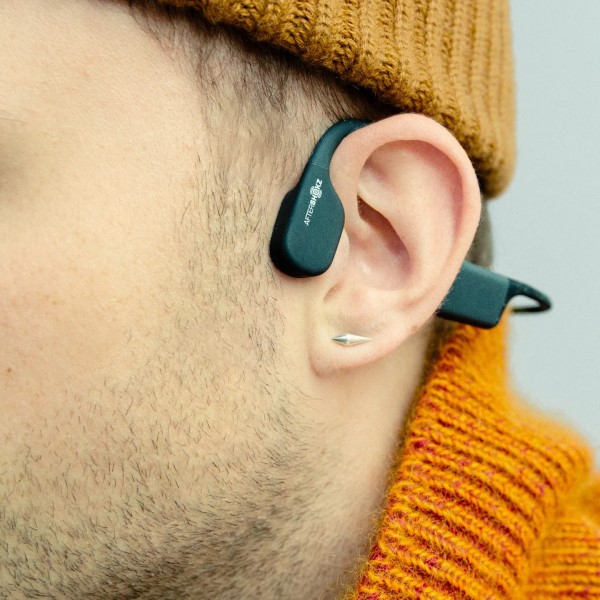
The world of personal audio has evolved rapidly over the last decade. We have seen a massive shift from wired earbuds to wireless Bluetooth devices. Recently, a new category has emerged to challenge the status quo. Bone conduction headphones are changing how we interact with our environment. Unlike traditional headphones, these devices do not cover your ears. Instead, they rest on your cheekbones. They deliver sound through vibrations directly to your inner ear. This technology offers a unique solution for athletes and outdoor enthusiasts. It allows users to enjoy their favorite music while remaining aware of their surroundings.
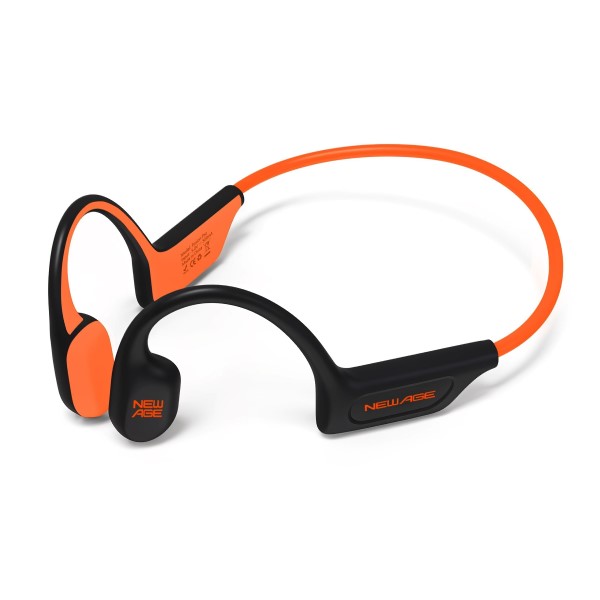
Consequently, this feature significantly enhances personal safety. Many runners and cyclists prefer this open-ear design. They can hear traffic and fellow pedestrians clearly. Therefore, the risk of accidents decreases substantially. Additionally, this technology provides comfort benefits. Many people find in-ear buds uncomfortable after extended use. They can cause ear canal fatigue or even infections. Bone conduction eliminates these issues completely. Your ears remain open and free. This guide will explore the best models on the market today. We will compare their features, sound quality, and usability. By the end, you will understand why this technology is booming.
The Science Behind the Sound Transmission
To understand the value of these devices, we must first understand the science. How does sound actually travel to our brain? Usually, sound waves enter the ear canal. They vibrate the eardrum and the ossicles. Finally, these vibrations reach the cochlea. This is the standard pathway known as air conduction. However, bone conduction bypasses the eardrum entirely. The headphones transmit micro-vibrations through the cheekbones. These vibrations travel directly to the cochlea. Therefore, the process skips the outer and middle ear. This mechanism is remarkably efficient for many users. In fact, we experience bone conduction every day.
When you hear your own voice, you hear it partly through bone conduction. This explains why your voice sounds different on a recording. The technology essentially mimics this natural bodily function. Furthermore, this method is incredibly useful for people with conductive hearing loss. They may have damage to their eardrum or middle ear. Traditional headphones are often ineffective for them. However, bone conduction can bypass the damaged area. As a result, it allows them to hear music and phone calls clearly. This medical application has driven much of the early innovation. Now, the technology has matured for mainstream consumer use.
Top Benefits for Safety and Situational Awareness
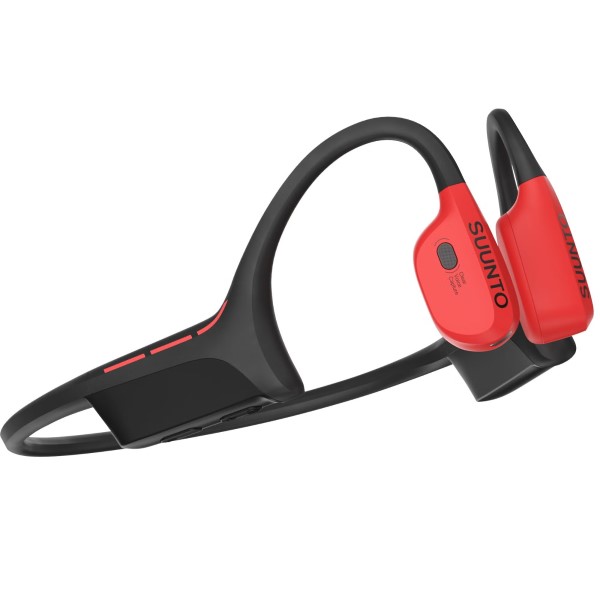
Safety is the primary selling point for this product category. Traditional noise-canceling headphones isolate the user from the world. While this immersion is great for focus, it is dangerous outdoors. You cannot hear approaching cars or barking dogs. This isolation creates significant risks for runners. In contrast, bone conduction headphones leave the ear canal fully open. You can hear ambient noise with perfect clarity. Consequently, you remain connected to your environment. This awareness is vital for urban commuters. You can hear train announcements and street noise. Therefore, you stay safe while enjoying your podcast.
Additionally, this design promotes better social interaction. You do not need to remove your headphones to speak to someone. You can listen to music and hold a conversation simultaneously. This feature is highly convenient for office workers. It reduces the awkwardness of constantly pausing audio. Moreover, the open-ear design prevents “occlusion effect.” This is the booming sound of your own voice when ears are plugged. With open-ear designs, your voice sounds natural to you. This makes phone calls much more comfortable. You do not need to shout to hear yourself.
Comparing the Leading Models on the Market
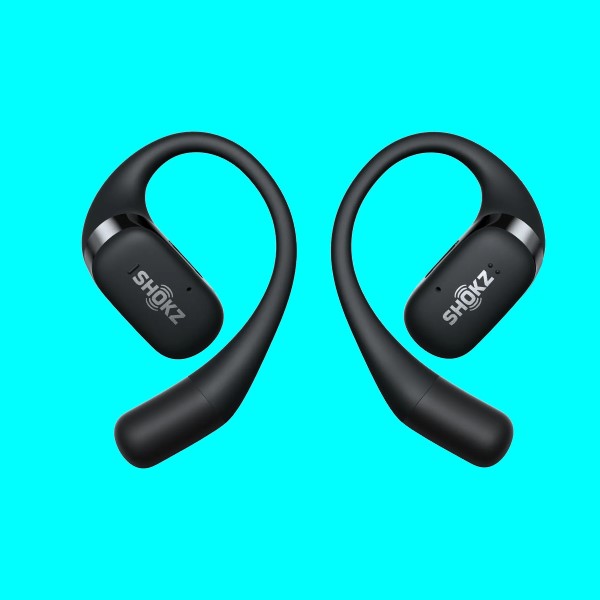
Several brands dominate the bone conduction market today. Shokz is arguably the most recognizable name in this space. Their OpenRun Pro model sets the industry standard. It offers excellent battery life and premium sound quality. The bass response is surprisingly deep for bone conduction. Furthermore, the device is lightweight and durable. It is an ideal choice for serious athletes. Another strong competitor is the Philips Go series. These headphones offer a solid alternative at a competitive price. They feature a slightly different fit, which some users may prefer. Additionally, the sound quality is respectable for casual listening.
For swimmers, the Shokz OpenSwim is a unique option. It has an IP68 waterproof rating. You can submerge it in water without damage. It also includes internal storage for MP3 files. Bluetooth does not work underwater, so this feature is essential. Therefore, swimmers can enjoy music during their laps. Budget options are also available from brands like Vidonn. These models provide a basic introduction to the technology. They may lack premium bass or advanced features. However, they are perfect for beginners. Each model caters to different needs and budgets.
Understanding Limitations and Sound Quality
It is important to manage expectations regarding audio fidelity. Bone conduction technology has inherent limitations. The sound profile is different from traditional headphones. The bass response is generally lighter. You feel the vibrations more than you hear deep thumps. At higher volumes, the headphones can vibrate noticeably on the cheek. Some users find this sensation ticklish at first. However, most people adjust to it quickly. Furthermore, noise isolation is non-existent. Because your ears are open, you hear everything around you. This is a feature, not a bug, for safety. However, it creates challenges in loud environments.
For example, listening to music on a noisy subway is difficult. The ambient noise will likely overpower your audio. You may need to increase the volume significantly. Doing so can cause discomfort from strong vibrations. Therefore, these headphones are best suited for quiet or moderate environments. They excel in parks, offices, and homes. They are not ideal for noisy gyms or airplanes. Audiophiles seeking rich, immersive soundscapes might be disappointed. But for podcasts and mid-tempo music, the quality is sufficient. The technology improves every year, bridging this gap.
Ideal Use Cases for Different Lifestyles
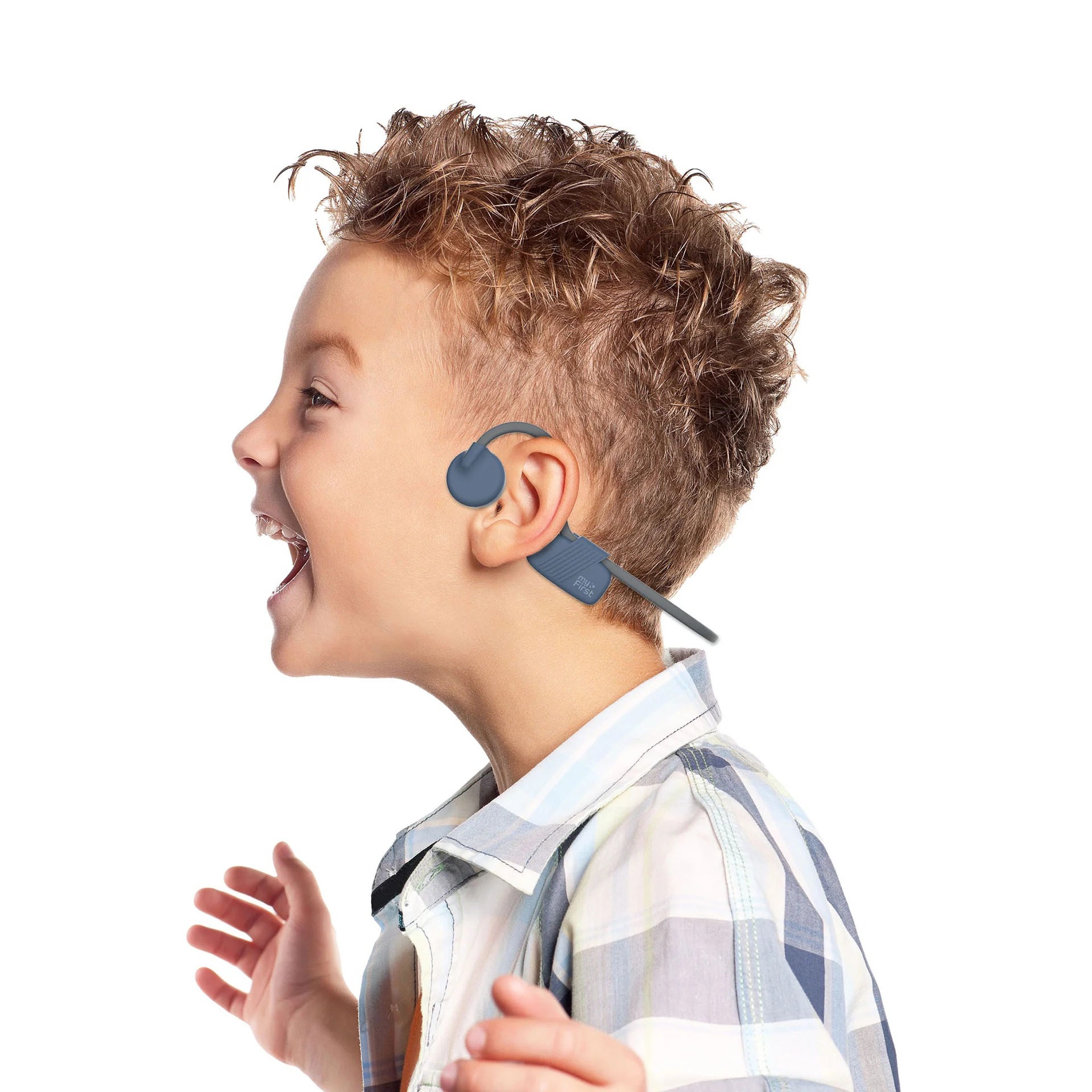
Different lifestyles benefit from this technology in unique ways. Runners and cyclists are the primary target audience. They benefit most from the enhanced situational awareness. The secure fit also ensures the headphones stay in place during vigorous movement. Unlike earbuds, they do not fall out due to sweat. Office workers are another major user group. They can participate in video calls while hearing colleagues. The open design prevents the isolation of noise-canceling headsets. This fosters better team communication. Hikers and outdoor adventurers also find great value here. They can enjoy nature sounds while listening to a trail guide. This creates a harmonious experience with the environment. Additionally, people with hearing impairments often prefer these devices.
As mentioned earlier, bypassing the eardrum can restore access to audio. This improves their quality of life significantly. Furthermore, drivers can use them for GPS navigation. They can hear the directions without blocking traffic sounds. This promotes safer driving habits. Even casual walkers enjoy the ability to hear birds chirping. The versatility of the product is its greatest strength. It fits seamlessly into an active daily routine.
Maintenance, Care, and Durability Factors
Proper maintenance extends the life of your headphones. Most bone conduction devices are built for durability. They are often sweat and water-resistant. However, they still require regular cleaning. Sweat can accumulate on the transducers. This residue can affect sound quality and hygiene. Therefore, you should wipe them down after every workout. Use a soft, damp cloth. Avoid using harsh chemicals or alcohol. These can damage the silicone coating. Additionally, you should store them properly. Most models come with a carrying case. Use this case to prevent scratches. The titanium neckband is flexible but not indestructible.
You should not bend it excessively. While it can handle stress, extreme force can break the internal wires. Battery care is also crucial. You should not let the battery drain completely. Try to charge it before it hits zero. This preserves the lithium-ion battery health. Furthermore, you should avoid extreme temperatures. Do not leave them in a hot car or freezing garage. Extreme cold can make the plastic brittle. Extreme heat can damage the battery. With proper care, a good pair will last for years.
Making the Right Purchase Decision
Choosing the right model depends on your specific needs. You should first assess your primary activity. Are you a swimmer? Then the OpenSwim is your only viable option. Are you a marathon runner? The OpenRun Pro offers the best battery and comfort. Is your budget tight? A model like the Vidonn F1 might be better. You should also consider the fit. Most bone conduction headphones have a standard size. However, people with smaller heads might find them loose. Some brands offer a “Mini” version specifically for this demographic. Additionally, check the IP rating. IP55 is standard for sweat resistance.
IP68 is necessary for swimming. IP67 offers protection against heavy rain and splashes. You should also look at the control buttons. Intuitive controls are essential during exercise. You do not want to fumble with buttons while running. Voice prompts are also a helpful feature. They tell you battery levels and connection status. Finally, read user reviews. Look for comments on comfort after long hours. Look for feedback on the vibration intensity. Real-world experiences provide the best insights. By considering these factors, you will find the perfect pair.
Frequently Asked Questions
Are bone conduction headphones good for?
Bone conduction headphones are excellent for outdoor activities like running and cycling. They allow you to hear ambient noise for safety. They are also great for people with certain types of hearing loss who cannot use traditional earbuds.
What are the disadvantages of bone conduction headphones?
The main disadvantages include a lack of bass compared to traditional headphones and no noise isolation. They can also cause a “tickling” sensation on the cheek at high volumes. They are not ideal for very noisy environments like airplanes.
Why do Gen Z wear wired headphones?
Gen Z often wears wired headphones as a fashion statement and a rejection of the “always-connected” wireless lifestyle. They are also seen as more reliable, do not require charging, and offer a retro aesthetic that appeals to younger trends.
Can a deaf person hear with bone conduction earphones?
Yes, many people with conductive hearing loss can hear using bone conduction. Since the technology bypasses the outer and middle ear, it can deliver sound directly to the cochlea. However, it may not work for those with severe damage to the inner ear or auditory nerve.
Conclusion
In summary, the rise of bone conduction headphones represents a significant shift in audio technology. They prioritize safety and situational awareness above pure isolation. This makes them an invaluable tool for modern athletes and commuters. While they may not deliver the heavy bass of studio headphones, their benefits far outweigh this limitation for active users. They solve the problem of ear fatigue and maintain connection with the world. As technology advances, we can expect even better sound quality. If you value safety and comfort, these headphones are a worthy investment. They allow you to enjoy your soundtrack without missing a beat of real life.