
Understanding the Digital Camera Aesthetic Phenomenon
The world of photography has witnessed a remarkable shift in recent years. We are seeing a massive resurgence of vintage technology. Specifically, the digital camera aesthetic has captured the hearts of a new generation. This trend is not just about taking pictures. It is about creating a specific mood. Young people are moving away from crystal-clear smartphone photos. Instead, they crave the raw and authentic feel of early digital images. This style brings a sense of nostalgia. It reminds us of the early 2000s. Consequently, the grainy texture and soft focus of these cameras have become highly desirable. Social media platforms like Instagram and TikTok drive this demand. Users want their feeds to stand out. They seek a unique visual identity. Modern phones often over-process images. They make everything look too perfect. In contrast, older digital cameras produce unpolished results. These imperfections are now seen as art.
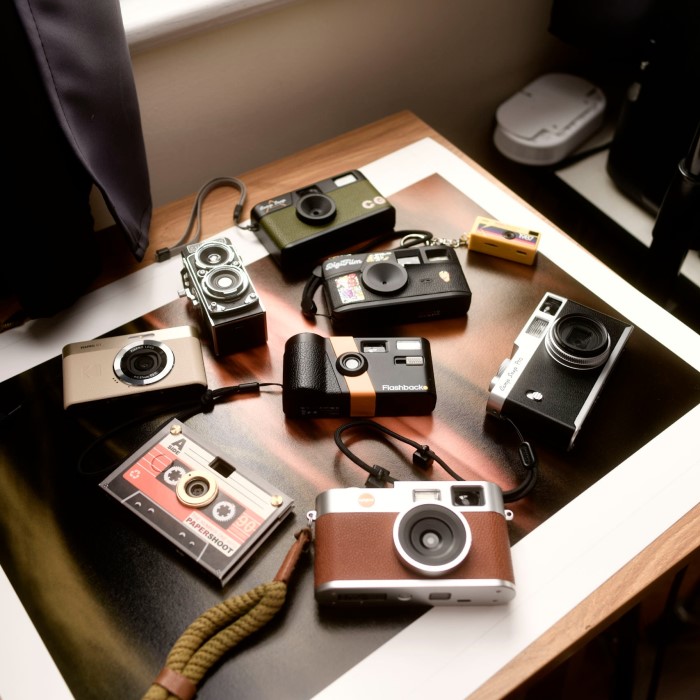
Furthermore, this phenomenon represents a cultural shift. We are moving away from the pursuit of hyper-reality. People are embracing the flaws. The distinct color science of older sensors creates pastel tones. It creates warm, glowing highlights. This look is difficult to replicate with modern apps. Therefore, the demand for the actual hardware has skyrocketed. Thrift stores and online marketplaces are being scoured for these forgotten devices. What was once considered obsolete is now a treasure. The digital camera aesthetic is more than a fleeting trend. It is a movement towards tangible, emotional photography. It values the atmosphere over the technical resolution. As we explore this topic, we will understand its roots. We will see why it matters. This guide will help you navigate this exciting world. You will learn what makes this style so special. You will understand its impact on modern visual culture.
Why High-Tech Smartphones Are Being Abandoned
It might seem counterintuitive to abandon a high-tech smartphone for an old camera. After all, modern phones have incredible lenses. They have powerful processing chips. However, the digital camera aesthetic offers something a phone cannot. It offers limitations. When you use a smartphone, you can take infinite photos. You can delete them instantly. You can edit them heavily with software. This convenience can sometimes kill the creative process. In contrast, an old digital camera forces you to think. It has limited storage. It has a fixed lens. Therefore, you must compose your shot carefully. You become a more intentional photographer. This limitation breeds creativity. Additionally, the “disconnect” is valuable. Using a separate device creates a ritual.
Moreover, the look of smartphone photos is often described as “clinical.” They are sharp. They are full of contrast. The computational photography erases shadows. It smooths skin unnaturally. For many, this lacks soul. It lacks character. On the other hand, older digital cameras capture light differently. They struggle in low light. They produce digital noise or grain. This noise adds texture. It adds atmosphere. Consequently, the images feel more like memories.
They feel like a snapshot in time. The flash on older cameras is also distinct. It creates a harsh, direct light. This has become a signature look for the Y2K style. It highlights the subject against a dark background. It makes colors pop. Therefore, photographers are actively seeking out these imperfections. They want the “bad” quality because it feels more real. It feels more human. This rejection of perfection is the core of the movement. It explains why high-tech devices are being left in the drawer.
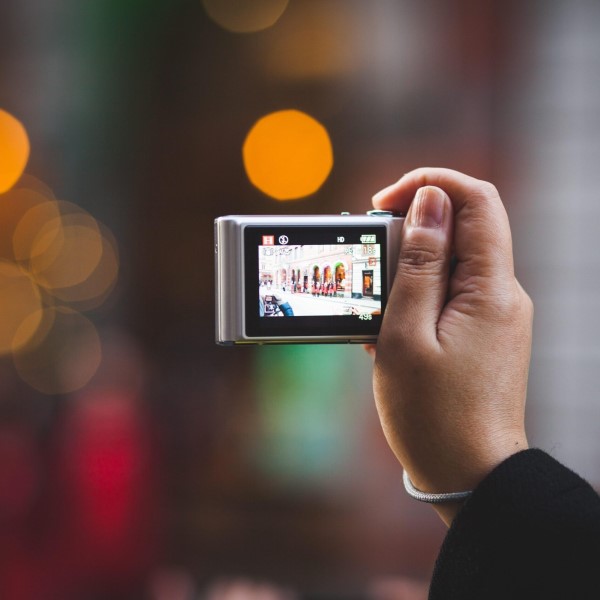
The Defining Characteristics of This Visual Style
To truly understand this trend, we must analyze its visual components. The digital camera aesthetic is defined by several distinct features. First, there is the sensor quality. Older CCD sensors render colors differently than modern CMOS sensors. They often produce a slight color cast. Blues might look like cyan. Greens might look slightly yellow. This creates a dreamlike palette. It is very distinct from the accurate colors of an iPhone. Furthermore, the resolution is lower. Most cameras from the early 2000s offer between 3 to 7 megapixels. This lower resolution creates a soft image. It does not show every pore on a person’s face. It smooths the skin naturally. This is often seen as flattering. It creates a romanticized view of the subject.
Secondly, the optics play a huge role. Many affordable point-and-shoot cameras from that era had cheap lenses. These lenses often produced vignetting. The corners of the photo are darker. They also suffered from chromatic aberration. This creates colored fringes around high-contrast edges. While technically a defect, it is now seen as a “vibe.” It adds a sense of depth. It draws the eye to the center. Additionally, the lack of dynamic range is key.
Modern cameras capture detail in shadows and highlights. Old cameras do not. The shadows block up and turn black. The highlights blow out and turn white. This high contrast is dramatic. It creates a moody atmosphere. Finally, the timestamps are iconic. That orange or red date stamp in the corner of the photo is the ultimate badge of authenticity. It signals that this image is a memory. It anchors the photo in a specific time. These elements combine to create the look that is dominating social media feeds today.
How to Choose the Right Camera for the Look
Entering the world of vintage digital cameras can be overwhelming. There are thousands of models. Prices vary wildly. However, you do not need to buy the most expensive model to achieve the digital camera aesthetic. There are a few key specs to look for. First, consider the sensor type. Most photographers prefer CCD sensors for this specific look. They were common in cameras made before 2010. They provide that grainy, colorful texture. CMOS sensors are better for low light, but they can look “too modern.” Second, look at the megapixel count. Aim for a camera with 5 to 10 megapixels. Anything lower might be too blurry for modern screens. Anything higher might look too sharp. You want that sweet spot where the image is clear but still soft.
Furthermore, consider the lens. Some cameras have zoom lenses. Others have prime lenses (fixed focal length). Prime lenses often have wider apertures. This allows for background blur, or bokeh. This isolates the subject effectively. However, zoom lenses are more versatile. They are great for travel. Also, think about the flash. The built-in flash is crucial for this aesthetic. Some models have powerful flashes. Others are weak. Test the flash before you buy if possible.
The “dump flash” look is very popular. In addition, check the storage media. Many old cameras used SmartMedia or xD cards. These are hard to find today. Look for cameras that use SD cards. Or, Compact Flash cards. These are easier to manage. You will need a card reader to transfer photos. Finally, do not ignore the battery life. Old batteries may be dead. You might need to buy new ones. Research the model beforehand. Ensure that batteries are still available. Buying a camera is just the first step. Maintaining it is the next challenge.
Popular Camera Models Driving the Trend
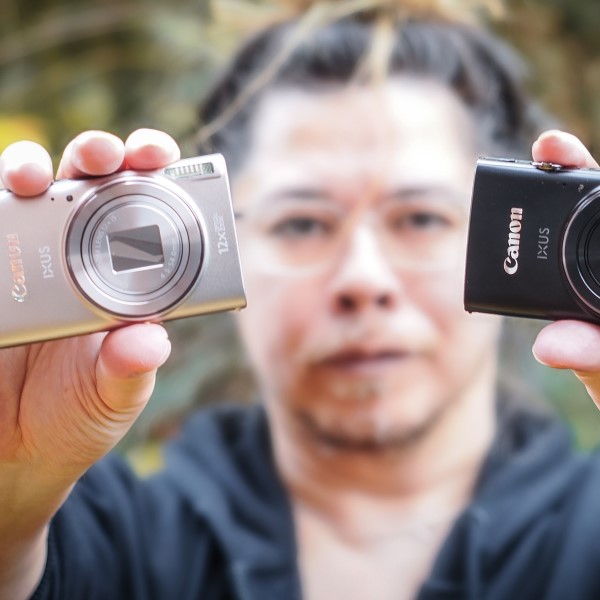
Several specific models have become legendary in the digital camera aesthetic community. The Canon PowerShot series is a top contender. Models like the PowerShot G9 or the SD series are highly sought after. They offer a classic Canon color science. It produces warm skin tones. It makes photos look nostalgic. Similarly, the Sony Cyber-shot DSC series is very popular. The T-series, with its sliding lens cover, is iconic. It looks incredibly stylish. The photos have a cool, blue tint that many love. Another brand to watch is Casio. The Casio Exilim models were famous for being thin. They were the “it” cameras of the 2000s. They produce very bright, saturated images. This fits the Y2K style perfectly.
Moreover, Nikon Coolpix cameras are excellent choices. The P series offers manual controls. This allows for more creative shooting. You can adjust the shutter speed. You can play with the aperture. Additionally, do not overlook “weird” brands. Cameras from brands like Samsung or even old cell phones can yield great results. The key is to experiment. Some of the best finds are unbranded. They are the ones found in a drawer at your parent’s house.
However, be careful of the hype. Some cameras are now very expensive. Influencers drive up the prices of specific models. For example, the Canon G7X is expensive. But you can find similar results with cheaper models. You are paying for the brand name sometimes. Look for alternatives. Search for “CCD sensor camera” rather than “influencer camera.” This will save you money. It will also help you find unique gear. The perfect camera is out there waiting for you.
Essential Tips for Shooting with Purpose
Owning the camera is just the beginning. You need to know how to use it to get the best results. The digital camera aesthetic relies on specific shooting techniques. First, embrace the flash. Do not be afraid to use it in daylight. This is called “fill flash.” It creates a crisp look. It makes colors pop. This technique is perfect for parties. It is great for portraits. Second, pay attention to the light. Old cameras struggle in low light without a flash. The ISO performance is poor. If you shoot at night without a flash, you will get a blurry mess. But that can be artistic! However, for a clear shot, shoot during the “golden hour.” The soft sunlight flatters the sensor. It reduces the noise in the image.
Furthermore, think about your composition. Since you cannot see the image instantly on a high-res screen, you must frame carefully. Look at the whole scene. Is there clutter in the background? Move your feet to get a better angle. Get closer to your subject. Older lenses focus better at closer distances. This also blurs the background more. Additionally, experiment with white balance.
Many old cameras have settings for “Cloudy” or “Tungsten.” Setting these “wrong” can create cool color effects. It can make a sunny day look blue. It can make an indoor shot look warm and orange. These accidents are the heart of the style. Also, do not edit too much. The goal is the raw file. Maybe adjust the contrast slightly. But avoid using modern filters. They hide the natural character of the camera. Let the camera do the work. Let its flaws shine through. That is the secret to the perfect shot.
Integrating the Style into Your Social Media
Once you have captured your photos, the next step is sharing them. The digital camera aesthetic is designed for social media. The raw, unpolished look stands out against the polished feed. When uploading, consider the aspect ratio. Most old cameras shoot in 4:3. This does not perfectly fit the standard Instagram square (1:1) or vertical (4:5) formats. You have two choices. You can crop the image. Or you can leave a border. Many people use white or black borders. This keeps the original composition. It gives the photo a “print” feel. It looks like a scanned photograph. This adds to the nostalgic vibe.
Moreover, curate your feed. This style works best when it is consistent. If you mix high-quality iPhone photos with grainy camera photos, it might look messy. Try to post your digital camera shots in a series. Tell a story with them. For example, post a “photo dump” of your weekend. These images do not need to be perfect. They should feel candid. They should capture moments. A blurry photo of your friends laughing is better than a stiff posed shot.
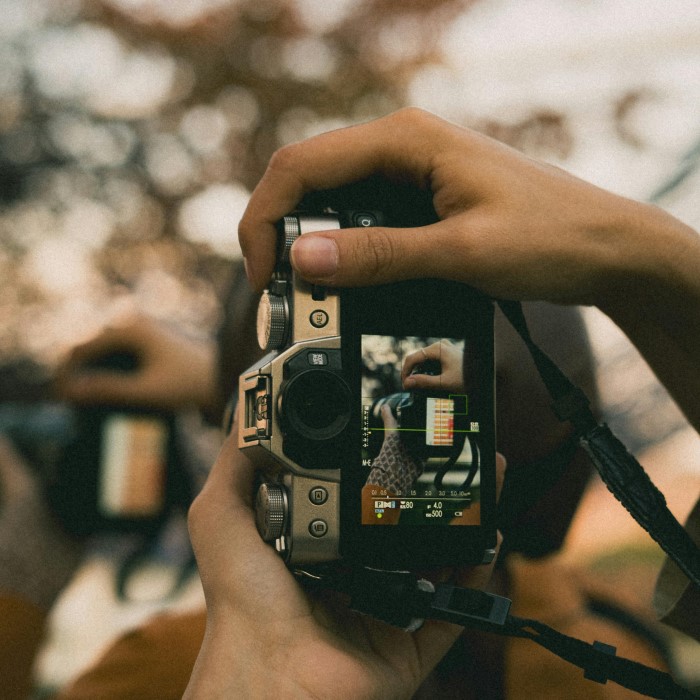
The aesthetic values emotion over technical perfection. Also, engage with the community. Use hashtags related to the trend. Share the camera model you used. Others in the community love to know. This builds a connection. It starts a conversation. The trend is about sharing a vibe. It is about sharing a memory. It transforms your social media from a portfolio into a diary. People are tired of fake perfection. They want real life. Your grainy, imperfect photos are exactly what they want to see.
The Future of Nostalgic Digital Photography
We must ask ourselves if this trend will last. Is the digital camera aesthetic just a fad? Or is it a permanent shift in photography culture? It seems that the trend has deep roots. It is not just about the photos. People are tired of being constantly connected. They want to disconnect. They want a slower pace of life. Using an old camera forces you to slow down. You cannot edit instantly. You cannot upload to the cloud immediately. This delay creates anticipation. It brings back the joy of photography. Therefore, the movement is likely here to stay. It represents a lifestyle choice.
Furthermore, camera manufacturers are noticing. We are seeing new cameras that mimic this look. They have “vintage” modes. They add grain. However, purists will still prefer the real thing. There is an authenticity to the actual hardware. The sensors from 2005 are unique. They cannot be perfectly replicated by software. The market for these cameras will likely stabilize. They will become collectibles. They will hold their value. It is important to preserve these devices. They are a part of history. They capture the world in a way that modern tech cannot. As we look to the future, we will see a split. High-tech cameras will continue to evolve. But the low-tech, imperfect aesthetic will have its own lane. It will remain a popular choice for creative expression. It is a bridge between the past and the present.
Conclusion: Embracing the Imperfect
The journey through the digital camera aesthetic reveals a fascinating cultural shift. We have moved from chasing sharpness to celebrating grain. We have traded perfection for nostalgia. This style allows anyone to create art. You do not need expensive equipment. You just need a vision. The flaws of the past have become the treasures of the present. They tell a story. They evoke emotion. As social media continues to evolve, authentic content will always be king. The raw, unfiltered look of these photos cuts through the noise. It connects with viewers on a human level. We encourage you to try this trend. Find an old camera. Take some bad photos. You might find that they are actually the best photos you have ever taken.
FAQ
Why is Gen Z using old cameras?
Gen Z is using old cameras primarily for the “vibe” and nostalgia. They are tired of the overly polished, perfect look of modern smartphone photos. Old digital cameras offer a tangible, authentic feel. The images have a grainy texture and unique colors that feel like memories. It is a way to differentiate their content on social media. It also offers a way to disconnect from the internet while shooting.
What digital cameras is Gen Z using?
Gen Z is largely seeking out digital point-and-shoot cameras from the late 1990s to the mid-2000s. Popular models include the Canon PowerShot G7 X, Sony Cyber-shot DSC-T series, and various Nikon Coolpix models. They specifically look for cameras with CCD sensors. These sensors are known for their specific color rendering and lower resolution, which creates the desired aesthetic.
How to make a digital camera aesthetic?
To achieve this look, you should use the camera’s flash often, even in daylight, to create contrast and saturation. You should embrace lower resolution settings or use older cameras. Experiment with “incorrect” white balance settings to create color casts. Do not over-edit your photos; let the natural grain and softness of the lens shine through. Focus on candid moments rather than staged perfection.