
The Rise of Open Ear Earbuds in Modern Technology
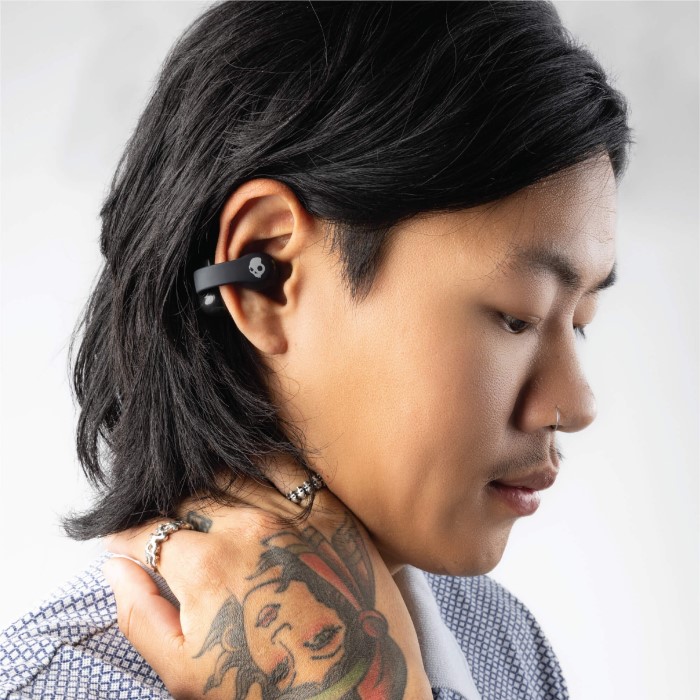
The world of personal audio is evolving rapidly. Many people are looking for safer alternatives to traditional headphones. Consequently, open ear earbuds have become a major trend recently. Unlike standard in-ear models, these devices do not block your ear canal. Instead, they sit just outside the ear. This design offers a unique listening experience. You can hear your favorite music. At the same time, you remain aware of ambient sounds.
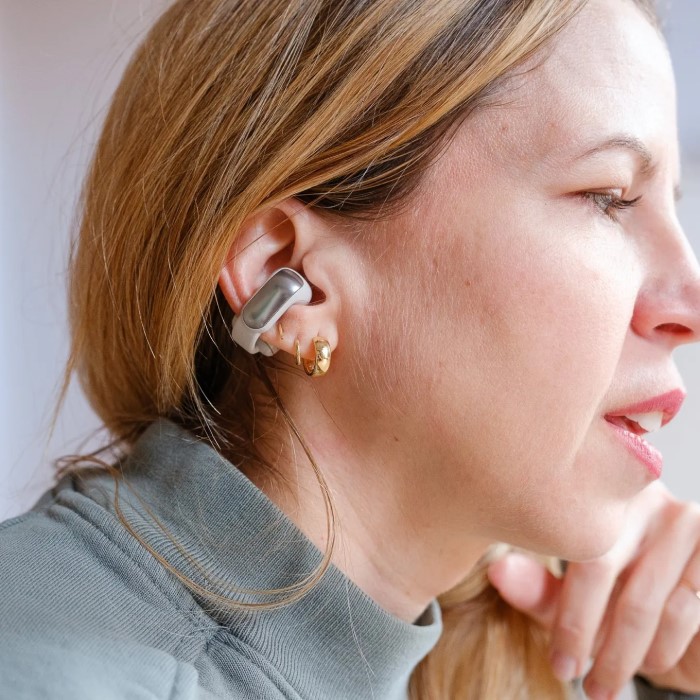
Therefore, they are perfect for busy urban environments. Technology has advanced significantly in this sector. Early versions often lacked bass or volume. However, modern iterations deliver impressive sound quality. They use bone conduction or air conduction technology. As a result, users do not need to compromise on audio fidelity. This innovation is changing how we consume media outdoors. The market is now flooded with options. Choosing the right pair can be difficult. This article will explore the benefits and features of these devices. We aim to help you make an informed decision.
Safety Benefits
Safety is the primary advantage of this technology. Traditional noise-canceling headphones isolate the user. This can be dangerous in many situations. For instance, runners often wear headphones. However, they might not hear approaching cars or cyclists. This creates a significant risk on the road. Open ear earbuds solve this problem effectively. They allow sound waves to pass through the ear naturally.
Consequently, you can hear traffic, warnings, and people around you. Therefore, you stay alert while enjoying your playlist. Furthermore, this design reduces listening fatigue. Sealed ear canals can create a vacuum effect. This often leads to that “plugged up” feeling after long use. In contrast, open designs keep the ear canal ventilated. This makes the listening experience much more comfortable. Additionally, they are great for hikers. You can hear birds singing and wildlife moving. Thus, you remain connected to nature. It is the ideal balance between entertainment and environmental awareness.
Understanding the Technology
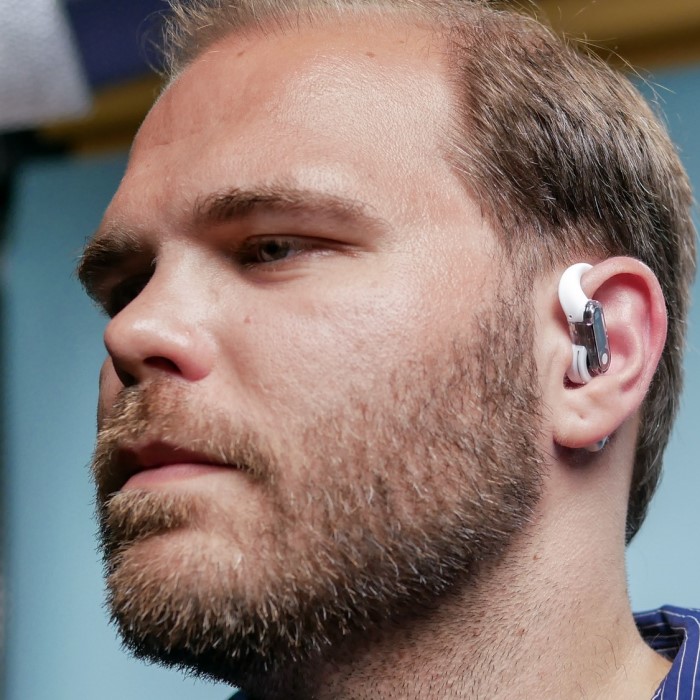
There are two main types of technology used here. The first is bone conduction. This method vibrates the cheekbones to send sound to the inner ear. It bypasses the eardrum entirely. Therefore, it is excellent for people with conductive hearing loss. The second type is air conduction. Open ear earbuds using this method direct sound waves into the ear. They use directional speakers. The speakers point towards the ear canal without blocking it. This method often provides better sound quality. Specifically, the bass response is usually richer. However, both technologies have improved lately.
Manufacturers are refining the drivers and software. Consequently, the audio experience is getting closer to traditional headphones. Furthermore, leakage has been a historical issue. In the past, people near you could hear your music. Modern designs minimize this sound leakage significantly. Thus, you can listen privately in public spaces. Understanding these technologies helps you pick the right model for your needs.
Comfort and Fit for Active Lifestyles
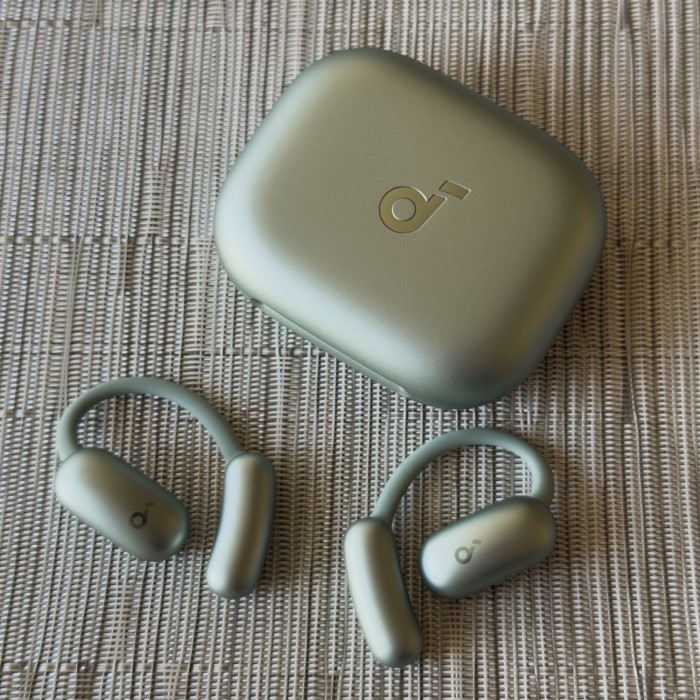
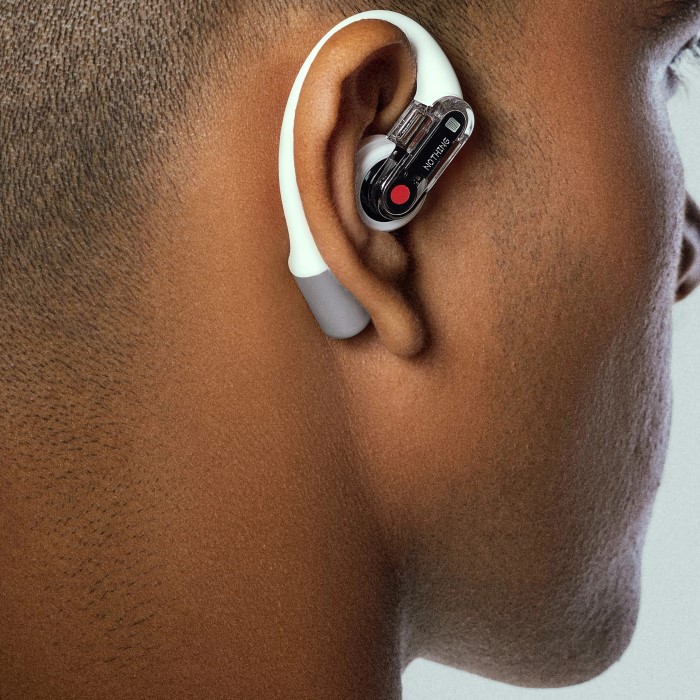
Comfort is crucial for any wearable device. Traditional earbuds can cause pain over time. They put pressure on the sensitive skin inside the ear. Conversely, open ear earbuds rest on the cheekbones or hook over the ear. This eliminates the feeling of a foreign object inside the ear. Therefore, they are ideal for extended use. Many models feature a lightweight, wraparound band. This design ensures a secure fit during intense movement.
For example, mountain bikers need headphones that will not fall out. These devices stay in place even on rough terrain. Furthermore, they are perfect for people who wear hearing aids. Since they do not occupy the ear canal, they do not interfere with medical devices. Additionally, glasses wearers often worry about compatibility. Most open ear designs have thin bands. They can coexist comfortably with eyeglass frames. Consequently, you do not have to choose between seeing and hearing clearly. This ergonomic advantage makes them a top choice for athletes.
Sound Quality and Performance Analysis
Many users worry about audio performance. There is a misconception that open designs lack bass. While this was true in the past, it has changed. Modern open ear earbuds utilize advanced drivers. They produce clear mids and highs. Vocals sound crisp and detailed. However, bass is still slightly different from in-ear models. Bone conduction struggles more with low frequencies. But air conduction models have made huge strides. They use equalization settings to boost lower tones. As a result, the sound is well-balanced. Furthermore, microphone quality is essential for calls. These devices often feature noise-canceling microphones.
They isolate your voice from background wind. Therefore, you can take calls hands-free while walking. Battery life is another key performance metric. Most high-end models offer eight hours of playback. This is sufficient for a full workday or marathon. Charging cases can extend this to several days. Thus, performance is no longer a dealbreaker. You can enjoy high-fidelity sound without blocking your ears.
Durability and Weather Resistance Features
Outdoor activities expose electronics to the elements. Sweat and rain can damage standard headphones. Therefore, durability is a key selling point. Most open ear earbuds come with an IP rating. IP stands for Ingress Protection. A rating of IP55 or higher is common. This means the device is dust and water-resistant. Consequently, you can run in the rain without worry. Sweat from a hard workout will not harm the electronics.
Moreover, some premium models are fully waterproof. They can be used for swimming. However, water blocks Bluetooth signals effectively. Thus, swimming models usually have built-in MP3 storage. You can store your music directly on the device. This is a game-changer for triathletes. Additionally, the materials used are often high-quality. They can withstand drops and bumps. The build quality is rugged yet lightweight. Thus, you are investing in a product that lasts. You do not need to be overly gentle with them.
Top Use Cases
These devices are incredibly versatile. Their primary use is for running and cycling. However, they serve many other purposes. For instance, office workers love them. They allow you to hear colleagues while listening to background music. This improves collaboration in open-plan offices. Furthermore, open ear earbuds are great for driving. They do not isolate you from the road. You can hear sirens and horns clearly.
Therefore, they are safer than noise-canceling alternatives. They are also excellent for household chores. You can listen to podcasts while watching the kids. You will hear them calling if they need help. Additionally, senior citizens benefit greatly. They can enjoy audio books without missing doorbells or phones. Thus, the applications extend far beyond sports. They enhance daily life without causing isolation. This versatility drives their growing popularity in the consumer market.
Comparing Open Ear Earbuds with Traditional In-Ear Models
It is important to understand the differences. Traditional in-ear monitors (IEMs) offer passive isolation. They create a seal that blocks noise. This provides a very immersive experience. However, it can be dangerous outdoors. In contrast, open ear earbuds prioritize situational awareness. They sacrifice some isolation for safety. Therefore, the choice depends on your environment. If you are on a noisy airplane, in-ear models are better.
They block the drone of the engine. But if you are walking on a busy street, open ear is superior. Furthermore, hygiene is a factor. In-ear buds can trap moisture and wax. This leads to ear infections. Open designs keep the ear dry and aerated. Consequently, they are healthier for long-term use. Another difference is the fit. Some people simply cannot wear in-ear tips comfortably. They find them irritating or painful. For these users, the open design is a salvation. It offers an alternative that fits securely without pain.
Frequently Asked Questions
Are open ear earbuds suitable for swimming?
Most models are water-resistant for sweat and rain. However, only specific models are fully waterproof for swimming. Look for devices with IP68 ratings. They usually include internal memory for music. Bluetooth does not work well underwater. Therefore, you must load MP3 files onto the device. Always check the specifications before buying for swimming.
Do open ear earbuds leak sound?
Older models had significant sound leakage. Modern designs use directional audio technology. This focuses the sound into your ear canal. Consequently, leakage is minimized significantly. At normal volumes, people near you will not hear your audio. However, at maximum volume, some sound might escape. It is generally not disturbing to others.
Can I wear open ear earbuds with glasses?
Yes, most designs are compatible with glasses. They feature a thin band that goes behind the head. This band sits below or above your eyeglass arms. Many users report no discomfort. In fact, they are often more comfortable than in-ear buds for glasses wearers. They do not interfere with the temple arms of the glasses.
How is the bass response?
Bass response has improved greatly with air conduction models. However, it is not as thumping as high-end in-ear monitors. You still feel the music, but the experience is different. The bass is present but not overwhelming. For audiophiles seeking deep bass, they might seem light. But for casual listeners, the quality is sufficient.
Conclusion
In summary, finding the right audio gear is essential. Open ear earbuds offer a unique blend of safety and comfort. We have explored their benefits over traditional models. They protect your situational awareness. Furthermore, they prevent ear fatigue and infections. Technology has advanced enough to provide great sound quality. Whether you are running, hiking, or working, they are a smart choice. We have reviewed the top features and use cases. Therefore, you can now choose the perfect pair for your lifestyle. Do not compromise your safety for sound. Enjoy both with this innovative technology. Your ears will thank you for the comfort and freedom.