
Introduction
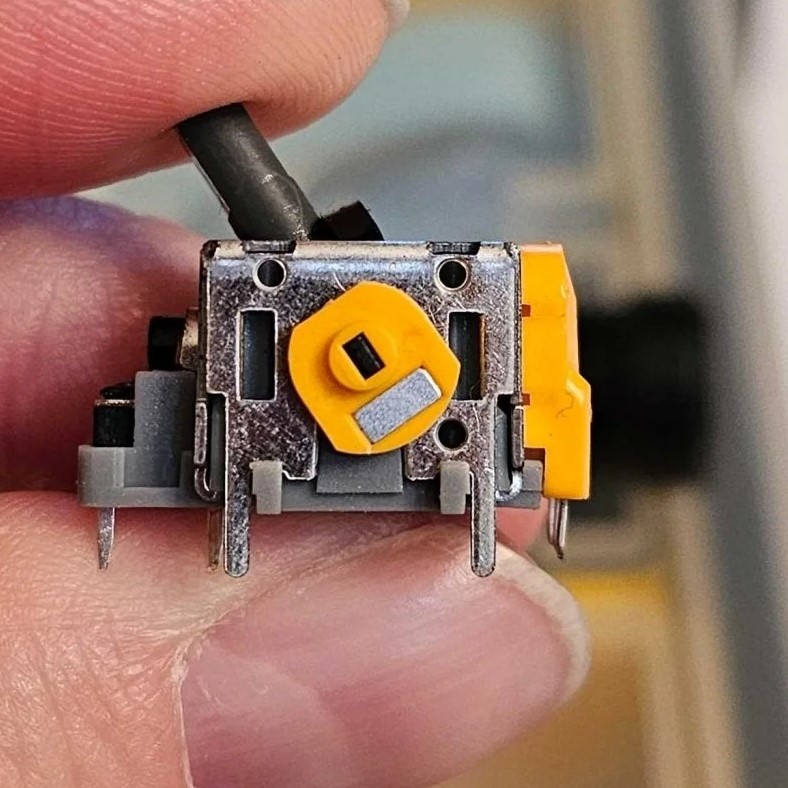
In the evolving landscape of gaming technology, precision and responsiveness are critical elements that can elevate or diminish a player’s experience. Among the pivotal components that contribute to this precision is the Hall Effect joystick. But what is hall effect joystick? At its core, it is an advanced input device that utilizes magnetic fields to detect movement with high accuracy. The rising demand for better control in gaming has made Hall Effect joysticks increasingly popular among gamers and developers alike. In this comprehensive article, we will explore the inner workings of Hall Effect joysticks, examine their advantages over traditional joysticks, and uncover their various applications in the gaming industry.
Understanding the Hall Effect
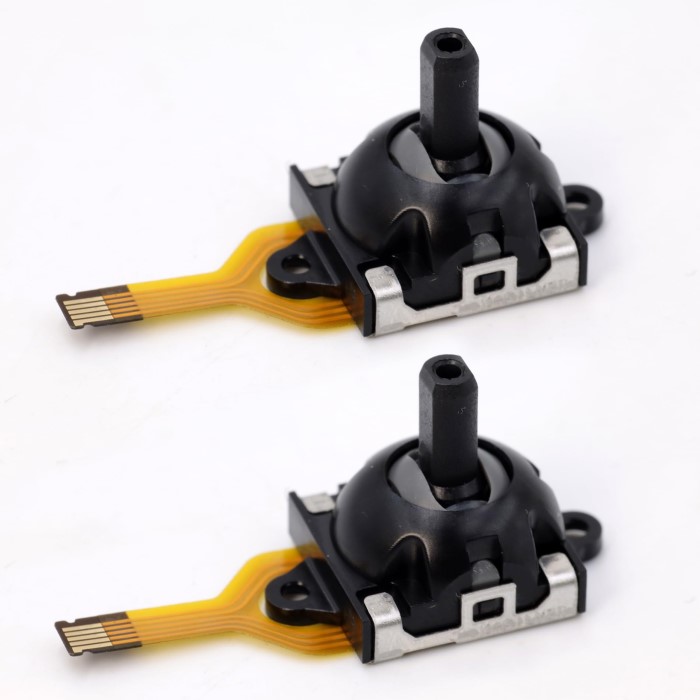
Before diving deeper into the specifics of Hall Effect joysticks, it’s essential to understand the Hall Effect itself, which serves as the foundation for this technology.
1. The Principle of the Hall Effect
- Basic Concept: The Hall Effect occurs when an electrical current flows through a conductor and a magnetic field is applied perpendicular to that current. This results in a voltage—called the Hall voltage—being generated across the conductor. This principle was first discovered in 1879 by physicist Edwin Hall.
- Applications Beyond Joysticks: The Hall Effect is widely used in various applications, including magnetic field sensors, automotive technology, and electronic devices. The ability to measure magnetic fields with high accuracy has made it invaluable in many fields.
2. Transition to Joystick Technology
- From Magnets to Joysticks: Hall Effect sensors were adopted for use in joysticks as engineers sought alternatives to traditional potentiometer-based systems. Unlike potentiometers, which rely on physical contact and can be susceptible to wear, Hall Effect sensors operate without direct contact, extending their lifespan and reliability.
- Advantages: The transfer to Hall Effect technology paved the way for smoother, more responsive input methods, crucial for modern gaming experiences where split-second actions can dictate the outcome.
What is a Hall Effect Joystick?
What is hall effect joystick? Now that we understand the Hall Effect, let’s define the Hall Effect joystick.
1. Definition and Components
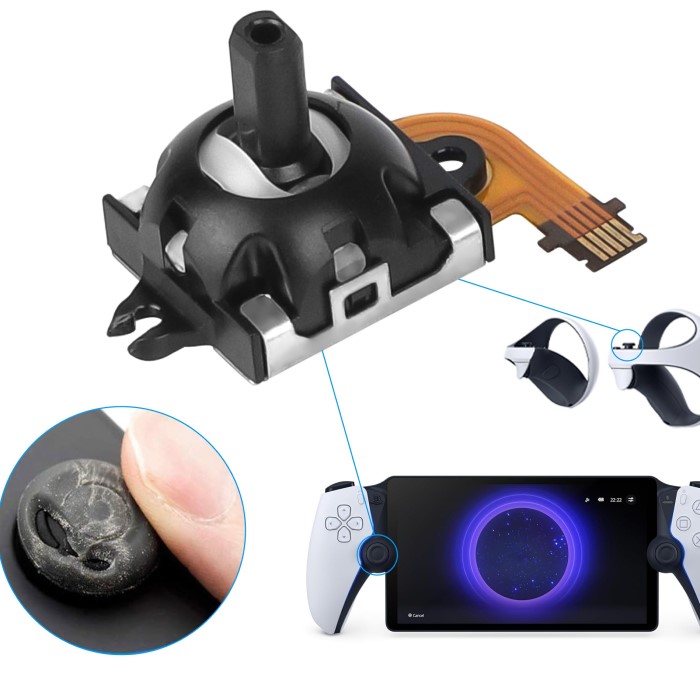
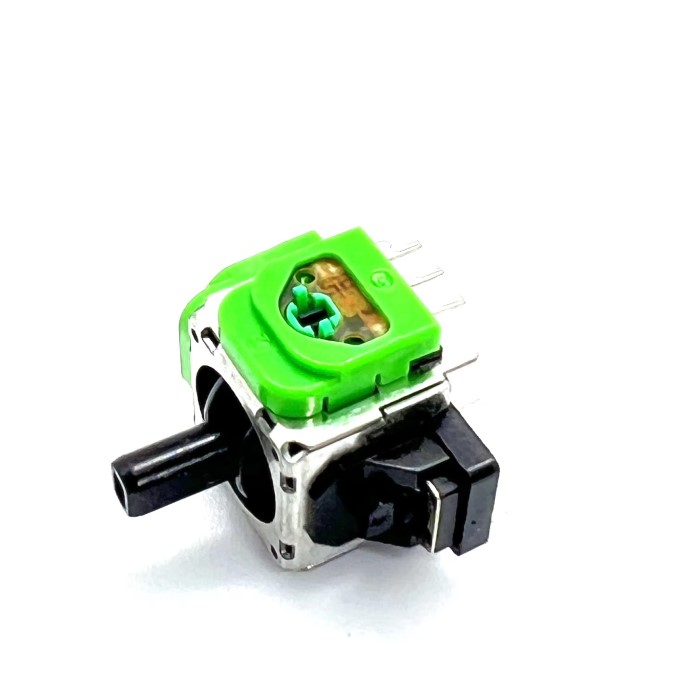
- Core Components: A Hall Effect joystick typically consists of a joystick handle, Hall Effect sensors, and an electronic control system. The joystick’s movements alter the magnetic field surrounding these sensors, which detect changes and translate them into position data.
- Functionality: As the joystick is moved in various directions, the Hall Effect sensors continuously monitor the magnetic field changes, generating precise signals that dictate motion on the screen.
2. Comparison to Traditional Joysticks
- Traditional Design: Standard joysticks usually rely on potentiometers to detect movement. This design has mechanical wear points, which can lead to inaccuracies over time.
- Hall Effect Advantages: Hall Effect joysticks eliminate mechanical contact, reducing wear and offering a much longer lifespan. Moreover, they provide smoother motion and precise input, beneficial in fast-paced gaming scenarios.
Benefits of Using Hall Effect Joysticks
Switching to Hall Effect joysticks can offer numerous advantages for gamers and developers. Understanding these benefits can help buyers make informed choices.
1. Durability and Longevity
- Increased Lifespan: Hall Effect joysticks are designed to last longer compared to traditional models, as they experience less wear and tear. This durability arises from their non-contact sensing mechanism, which minimizes wear on the internal components.
- Resilience to Environmental Factors: Their construction makes them resistant to dirt, dust, and moisture, making them suitable for various environments without degrading performance.
2. Enhanced Precision and Responsiveness
- Accuracy in Movement: The superior sensitivity of Hall Effect sensing technology allows for a much higher degree of accuracy compared to traditional potentiometer methods. This is particularly advantageous in scenarios requiring fine control, such as movement-heavy genres like first-person shooters.
- Immediate Feedback: Gamers can notice immediate responses while maneuvering characters, enhancing the overall experience and immersion.
3. Reduced Mechanical Failures
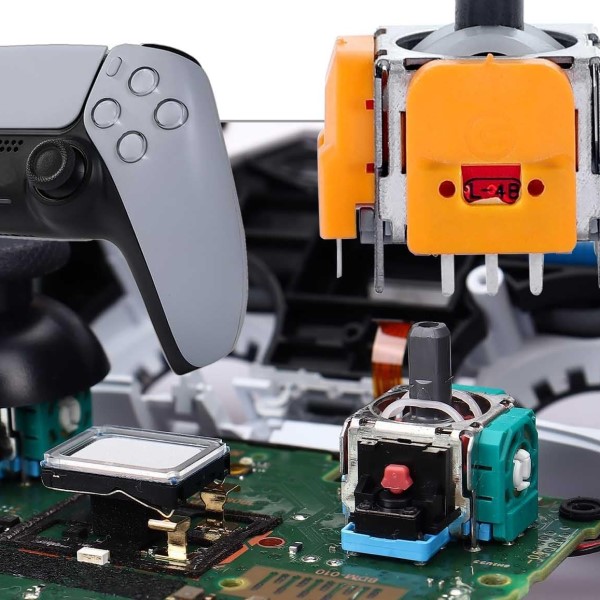
- Fewer Points of Failure: With no mechanical parts to wear out, Hall Effect joysticks can experience far fewer mechanical failures. This is especially beneficial for competitive gamers who depend on consistent performance.
- Easy Maintenance: Users spend less time maintaining their equipment and more time enjoying their gaming experience.
Applications of Hall Effect Joysticks in Gaming
Hall Effect joysticks have found numerous applications, particularly in gaming devices. It is essential to explore where these joysticks are utilized to understand their significance.
1. Gaming Controllers
- Integration in Consoles: Many modern gaming controllers—including those for PlayStation, Xbox, and PC—feature Hall Effect joysticks. This technology enhances player control and responsiveness during gameplay, especially in high-stakes situations.
- Custom Controllers: Serious gamers often customize their controllers to incorporate Hall Effect technology, improving their competitive edge.
2. Flight Simulators and Racing Games
- Precision in Simulations: Games demanding precise control, such as flight simulators and racing games, gain significantly from Hall Effect joysticks. The accurate input allows players to maneuver aircrafts or vehicles with unparalleled finesse.
- Specialized Joysticks: Specialty products, like flight sticks and racing wheels equipped with Hall Effect joysticks, take advantage of this technology to enhance user control.
3. Virtual Reality (VR) Gaming
- Enhanced Interaction: As the world of virtual reality continues to grow, precise and responsive controls become essential. Hall Effect joysticks are being integrated into VR controllers to allow intuitive interactions in virtual spaces.
- Immersion and Realism: The reliable tracking capabilities of Hall Effect joysticks enhance immersion, making VR experiences feel more lifelike.
Comparing Hall Effect Joysticks to Other Types
In the world of joysticks, it’s valuable to understand how Hall Effect models stack up against other technologies.
1. Potentiometer Joysticks
- Mechanically Dependent: Potentiometer joysticks rely on mechanical components to detect movement, leading to potential wear and inaccuracies over time.
- Lifespan Concerns: Due to their reliance on moving parts, these joysticks may require more frequent replacements and adjustments.
2. TMR Joysticks
Tunnel Magnetoresistive (TMR) Technology
- What Is TMR?: Tunnel Magnetoresistive technology is an advanced form of magnetic sensing used in joysticks and other devices. It operates based on the principle of magnetoresistance, where the electrical resistance of a material changes in response to an external magnetic field.
- Finer Sensitivity: TMR joysticks are noted for their exceptionally high sensitivity compared to traditional Hall Effect joysticks.
- Precision Control: This increased sensitivity allows for more nuanced movements and greater accuracy, which is particularly beneficial in applications requiring fine motor skills, such as gaming and simulation.
- Improved Response Times: With a quicker response to input actions, TMR joysticks can lead to a more satisfying user experience, especially during competitive gaming situations.
- Availability Limitations: Despite their advantages, TMR joysticks are not as common on the market compared to Hall Effect models.
- Niche Market: The technology is relatively newer, and thus fewer manufacturers have adopted it for mainstream joystick products.
- Market Penetration: As TMR technology becomes more established, it may gain broader adoption, but currently, consumers might face challenges finding a range of options.
Cost vs. Performance
- Price Point: TMR joysticks are generally priced higher than their Hall Effect counterparts. This is due to the advanced technology and materials used in their production.
- Investment in Quality: Consumers looking for premium performance may find TMR joysticks worth the investment, particularly those who engage in competitive gaming or high-precision tasks.
- Performance Benefits: While TMR joysticks can deliver superior performance, it’s important for buyers to weigh this against their budget.
- Features vs. Cost: When considering a TMR joystick, evaluate its specific features—like sensitivity, durability, and any additional functionalities. This will help you determine if it aligns with your needs.
- Long-term Gains: Investing in a higher-quality joystick may ultimately save money over time due to reduced wear and tear, minimizing the need for replacements or repairs.
- Balancing Priorities: The balance between cost and performance is critical for consumers when making purchasing decisions.
- Assessing Needs: Identify what features are most important for your gaming or application requirements. If precision is key, a TMR joystick might be the right choice despite the higher price.
- Budget Considerations: Create a budget that reflects your gaming habits and needs to ensure you make an informed decision without overspending.
Frequently Asked Questions (FAQs)
How does the Hall Effect joystick work?
A Hall Effect joystick works by detecting changes in magnetic fields as the joystick is moved. These changes are converted into electrical signals that translate into precise movements on the screen.
What is the problem with Hall effect joysticks?
While generally reliable, Hall Effect joysticks can occasionally have issues with strong magnetic interference or require calibration. They may also be more expensive than traditional options.
Are Hall effect joysticks any good?
Yes, Hall effect joysticks are highly regarded for their durability, precision, and performance. Many gamers prefer them for their reliability and responsiveness.
Which is better, a TMR or Hall effect joystick?
TMR (Tunnel Magnetoresistive) and Hall effect joysticks each have their advantages. TMR joysticks offer greater sensitivity, while Hall effect models are more commonly used and are often easier to find and purchase.
Conclusion
What is hall effect joystick? This innovative technology provides numerous benefits, including increased durability, enhanced precision, and reduced mechanical failures. As applications in gaming controllers, flight simulators, and virtual reality grow, Hall Effect joysticks are becoming integral to modern gaming setups. By selecting the right technology, players can enjoy improved control and responsiveness, significantly enriching their gaming experiences. Embrace the future of gaming technology and elevate your performance with Hall Effect joysticks!