
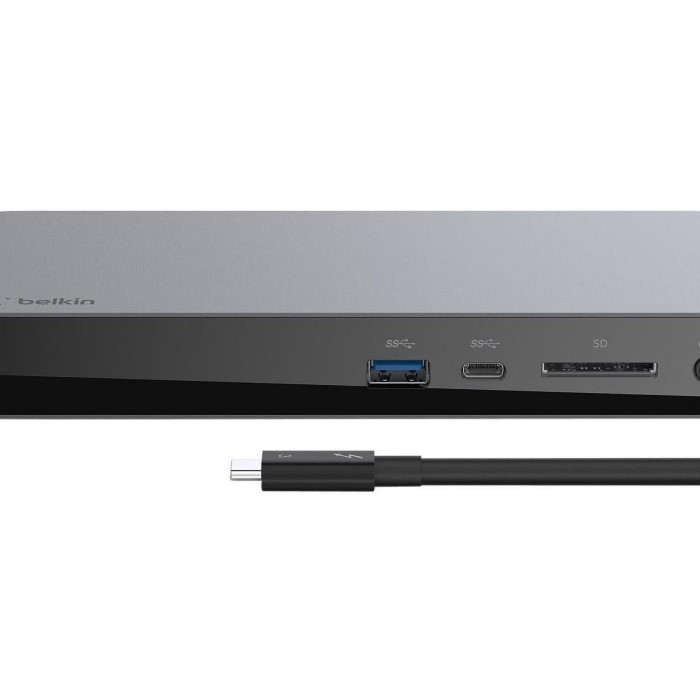
Introduction: Understanding the Thunderbolt 3 Docking Station
In an increasingly connected world, the Thunderbolt 3 docking station emerges as a vital tool for enhancing productivity and connectivity. With the rise of remote work and advanced computing demands, these docking stations have gained popularity among professionals, gamers, and creatives alike. But what exactly is a Thunderbolt 3 docking station, and how can it benefit you?
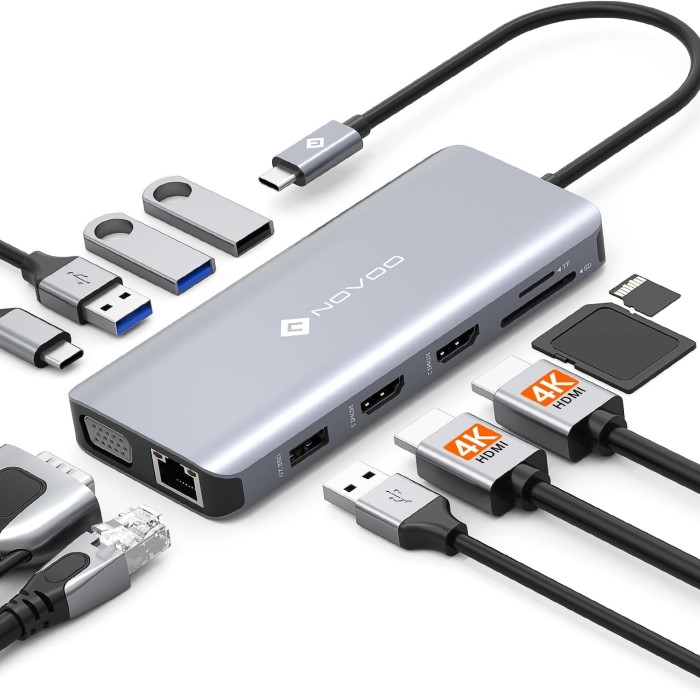
This comprehensive guide aims to explain the key features of Thunderbolt 3 docking stations, their benefits, and how they fit into the broader landscape of technology in 2026. As we dive deeper into this subject, you will gain insights into the advantages that Thunderbolt 3 technology brings to the table. Let’s explore what makes these docking stations a must-have in today’s tech environment.
What is a Thunderbolt 3 Docking Station?
A Thunderbolt 3 docking station is a device that expands the connectivity options of your laptop or computer. While traditional USB docking stations have been popular for quite some time, Thunderbolt 3 docking stations offer significantly better speeds and capabilities.
Key Features of Thunderbolt 3 Technology
- High Data Transfer Speeds: It supports speeds up to 40Gbps. This is eight times faster than USB 3.0.
- Supports Multiple Protocols: Thunderbolt 3 works with PCI Express, DisplayPort, and USB standards seamlessly.
- Dual 4K Display Support: It can drive two 4K displays or a single 5K display.
- Power Delivery: It can provide up to 100W of power, perfect for charging laptops.
- Daisy Chaining: Connect up to six devices from a single Thunderbolt 3 port.
- Compact Connector: Thunderbolt 3 uses the reversible USB-C connector, making it user-friendly.
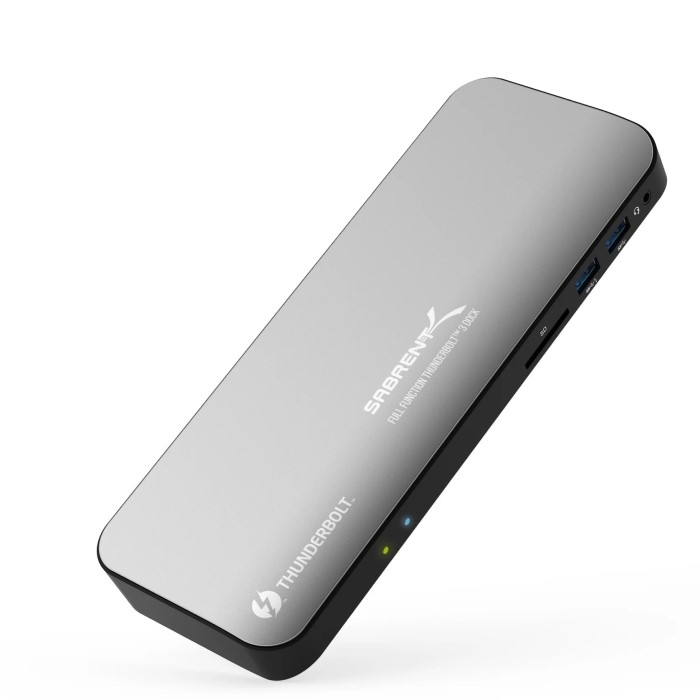
Advancements Over Previous Versions
Thunderbolt 3 is a significant upgrade over Thunderbolt 2. It offers faster speeds and USB-C compatibility. This makes it more widely adopted and versatile. For professionals and tech enthusiasts, these advancements are invaluable.
Key Features
Thunderbolt 3 docking stations are designed to enhance connectivity and productivity. They incorporate advanced features to meet modern tech needs.
Fast Data Transfer Speeds
Thunderbolt 3 docking stations offer data transfer speeds up to 40Gbps. This ensures quick file sharing and seamless backups.
Multi-Display Support
Many docking stations support dual 4K displays or a single 5K display. This is ideal for creative professionals and multitasking.
Versatile Port Options
They include multiple ports such as USB-A, USB-C, HDMI, DisplayPort, and Ethernet. These ports cover diverse connectivity needs.
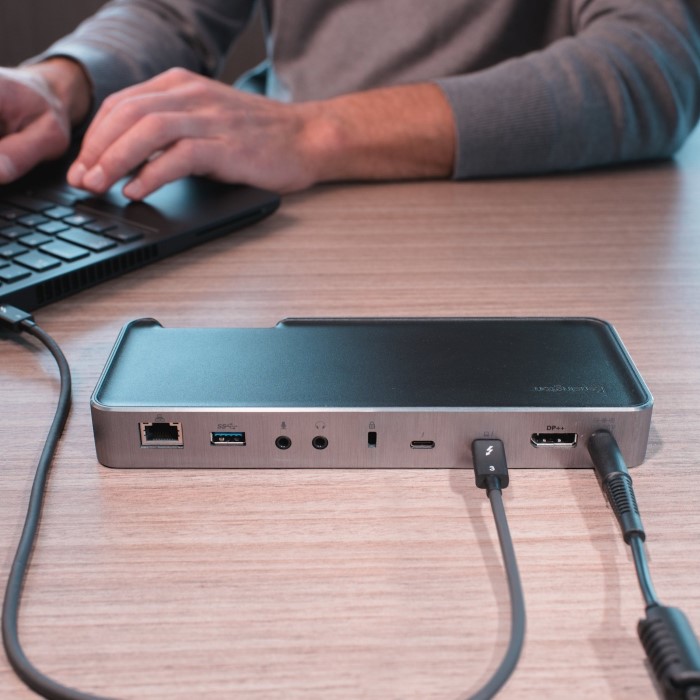
Power Delivery
Docking stations provide up to 85W or 100W power delivery via Thunderbolt 3. They can charge laptops and power connected devices efficiently.
Daisy-Chaining Capability
Thunderbolt 3 docks allow daisy-chaining of up to six devices. This feature is great for expanding your setup without cluttering.
Compact Design
These docking stations have a sleek and compact design. They save desktop space and are easy to transport.
These features make Thunderbolt 3 docking stations a must-have for professionals. They simplify multitasking while maximizing hardware potential.
Benefits of Using a Thunderbolt 3 Docking Station
Thunderbolt 3 docking stations offer multiple advantages for professionals and tech enthusiasts. They enhance productivity and streamline device connectivity.
Increased Connectivity
A Thunderbolt 3 docking station provides many ports in a compact unit. This eliminates the need for multiple adapters.
Faster Data Transfer
With speeds of up to 40Gbps, transferring large files becomes quick and hassle-free. This feature is essential for professionals dealing with high-bandwidth content.
Multi-Display Support
Thunderbolt 3 docking stations support dual 4K or single 5K monitors. This improves efficiency for creative tasks and multitasking.
Efficient Power Delivery
These docking stations offer up to 100W power delivery. They charge laptops and power connected devices effectively.
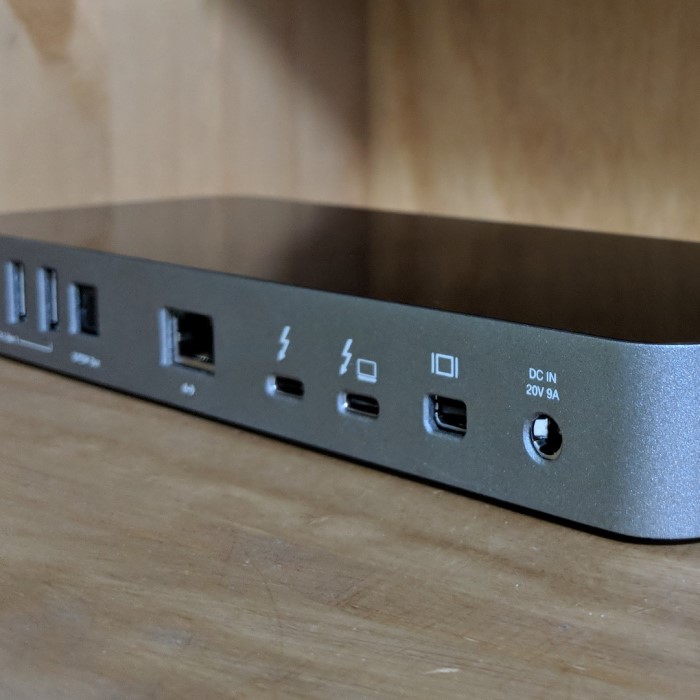
Daisy-Chaining Capability
Users can daisy-chain up to six devices through a single Thunderbolt 3 port. This reduces clutter and maximizes workspace.
Compact and Versatile Design
Thunderbolt 3 docks are sleek and portable, saving desk space. Their compact design makes them easy to carry.
Enhanced Productivity
By consolidating multiple connections into one station, Thunderbolt 3 docks simplify your workflow. They support both professional and casual users.
These benefits make Thunderbolt 3 docking stations a valuable addition to modern setups. Whether for work or play, they meet diverse needs efficiently.
Devices Compatible
Thunderbolt 3 docking stations are versatile and support a wide range of devices. Compatibility depends on whether the device has a Thunderbolt 3 port. Below are key categories of devices compatible with these docking stations:
Thunderbolt 3-equipped Laptops
Modern laptops like MacBook Pro and Dell XPS feature Thunderbolt 3 ports. These laptops seamlessly integrate with docking stations. This enhances productivity and expands functionalities.
Desktop Computers
Desktops with Thunderbolt 3 can benefit from docking stations. They provide additional ports and advanced features.
External Displays
Docking stations connect to monitors supporting 4K or 5K resolution. Creative professionals find this feature invaluable for video or graphic work.
External Storage Devices
Thunderbolt 3 docks work with SSDs and HDDs featuring Thunderbolt 3 or USB-C ports. This offers high-speed data transfer for backup and storage needs.
Gaming Consoles and GPUs
Certain gaming consoles and GPUs support Thunderbolt 3. Docking stations enhance connectivity and performance for gamers.
Phones and Tablets Supporting USB-C
Devices like newer smartphones and tablets may connect via USB-C ports on docking stations. This facilitates charging and data transfer.
Audio and Video Equipment
These docking stations integrate with microphones, cameras, and speakers. Professionals working on multimedia projects benefit from enhanced connectivity.
Universal Compatibility
Many USB-C devices can connect using Thunderbolt 3 docking stations. However, they may not utilize all Thunderbolt-specific features.
These docking stations support diverse devices, making them ideal for multi-connectivity setups. Users across different fields can streamline workflows with a Thunderbolt 3 docking station.
How to Choose the Right Thunderbolt 3 Docking Station
Choosing the right Thunderbolt 3 docking station ensures you get maximum functionality and performance. Here are some essential factors to consider:
Assess Your Connectivity Needs
- Determine the devices you want to connect. These may include monitors, storage drives, or peripherals.
- Look for a docking station that offers the necessary ports. Common ones are USB-A, USB-C, HDMI, and Ethernet.
- Ensure it supports multi-display setups if you need dual 4K or single 5K monitors.
Power Delivery Requirements
- Check the wattage requirements of your laptop or device. Thunderbolt 3 docks often offer up to 100W power delivery.
- Ensure the docking station can charge your laptop while running other connected devices.
Compatibility with Your Devices
- Confirm that your laptop has a Thunderbolt 3 port. This ensures full functionality.
- Verify support for external monitors, storage devices, and other peripherals.
- Check for compatibility with your operating system, such as macOS or Windows.
Design and Build Quality
- Opt for a compact and lightweight docking station for portability.
- Choose a durable build for long-lasting performance.
- Ensure it has proper cooling or heat dissipation to prevent overheating.
Additional Features
- Look for extras like SD card readers, audio jacks, or microphone inputs.
- Consider whether the docking station supports daisy-chaining for expanding your setup.
- Check for any special software or firmware updates required for optimal performance.
Budget
- Set a budget and compare options within that price range.
- Consider if you need premium features or a basic model for your requirements.
By focusing on these factors, you can choose a Thunderbolt 3 docking station that perfectly meets your needs. Pick one that enhances productivity and fits your workspace without compromise.
Best Practices for Setting Up
Setting up a Thunderbolt 3 docking station efficiently is key to maximizing its benefits. Proper configuration ensures seamless connectivity and optimal performance. Follow these best practices for the best results:
Verify Compatibility First
- Check if your device has a Thunderbolt 3 port.
- Ensure the docking station supports your operating system.
- Confirm compatibility with all peripherals you plan to connect.
Choose the Right Space
- Find a stable, clutter-free location for the docking station.
- Ensure easy access to all connected cables and ports.
- Position it to prevent overheating and ensure proper ventilation.
Organize Your Cables
- Use high-quality cables compatible with Thunderbolt 3 technology.
- Keep cables neatly arranged to avoid tangles and strain.
- Label cables for quick identification when connecting devices.
Install Necessary Drivers or Firmware
- Check for drivers or firmware updates specific to your docking station.
- Install updates to unlock full functionality and resolve compatibility issues.
- Regularly check for new updates from the manufacturer.
Connect Devices Strategically
- Prioritize essential devices when connecting to the docking station.
- Use designated ports for displays, storage, and other peripherals.
- Connect your laptop last, ensuring all devices are properly set up.
Test Connectivity and Performance
- Verify that all connected devices function as expected.
- Check data transfer speeds and display resolutions.
- Resolve any issues before using the docking station extensively.
Monitor and Maintain Setup
- Regularly inspect cables and ports for wear or damage.
- Ensure your docking station has proper ventilation to prevent overheating.
- Periodically clean around the docking station to avoid dirt buildup.
By following these best practices, you can optimize the use of your Thunderbolt 3 docking station.
Frequently Asked Questions
What is a Thunderbolt 3 docking station?
A Thunderbolt 3 docking station is a device that enhances connectivity and productivity. It uses Thunderbolt 3 technology to provide high-speed data transfer, multi-display support, and versatile port options.
Do all laptops support Thunderbolt 3?
No, only laptops with a Thunderbolt 3 port can utilize all features. Check your device specifications to confirm compatibility.
Can Thunderbolt 3 docks charge laptops?
Yes, they support power delivery up to 100W. This allows efficient laptop charging while running other connected devices.
Are Thunderbolt 3 docks compatible with USB-C devices?
Yes, they work with USB-C devices. However, USB-C devices may not leverage all Thunderbolt 3 functionalities.
How many devices can I connect to a Thunderbolt 3 dock?
You can daisy-chain up to six devices using one Thunderbolt 3 port. Additional ports also support direct connections.
Can I connect multiple displays to a Thunderbolt 3 docking station?
Yes, most docks support dual 4K displays or a single 5K monitor. This feature is great for multitasking.
Are drivers or firmware required for Thunderbolt 3 docks?
In some cases, yes. Some docks may require driver installation or firmware updates for optimal performance. Always check the manufacturer’s instructions.
Are there portable Thunderbolt 3 docking stations available?
Yes, many docking stations are compact and lightweight. They are easy to transport and ideal for travel.
What should I look for when buying a Thunderbolt 3 docking station?
Consider factors like port options, power delivery, compatibility, and design. Ensure it meets your connectivity needs.
Are Thunderbolt 3 docks compatible with macOS and Windows?
Yes, most docks support both macOS and Windows. Confirm compatibility before purchasing.
Can a Thunderbolt 3 docking station improve gaming performance?
It can enhance connectivity for gaming setups. However, its impact on performance depends on your GPU and console.
By addressing these questions, you can better understand Thunderbolt 3 docking stations and make informed decisions.
Top Thunderbolt 3 Docking Stations on the Market Today
Thunderbolt 3 docking stations are available in various models to suit different needs. Below are some top options renowned for their performance and features:
CalDigit TS3 Plus
- Offers 15 ports including USB-A, USB-C, Ethernet, and DisplayPort.
- Provides up to 85W power delivery for laptop charging.
- Supports dual 4K monitors or one 5K monitor.
- Compact design makes it ideal for small workspaces.
Anker PowerExpand Elite Dock
- Features 13 ports including Thunderbolt 3, HDMI, and USB-A.
- Delivers up to 85W of power to laptops.
- Supports high-speed data transfer of up to 40Gbps.
- Includes SD card slots for photographers and videographers.
Kensington SD5700T Thunderbolt 3 Dock
- Includes 11 ports like USB-A, Ethernet, and HDMI.
- Supports 90W power delivery for heavy-duty laptops.
- Allows dual 4K monitor connectivity for multitasking.
- Durable design ideal for long-term use.
OWC Thunderbolt 3 Dock
- Provides 14 ports including USB-A, USB-C, and Ethernet.
- Supports dual 4K displays or a single 5K display.
- Offers up to 85W power delivery to laptops and devices.
- Sleek design perfect for professional setups.
Plugable Thunderbolt 3 Docking Station
- Features 12 ports including USB-A, HDMI, and Ethernet.
- Allows displays up to 4K resolution for improved productivity.
- Provides 60W power delivery for laptops.
- Affordable option with solid build quality.
Dell WD19TB Thunderbolt Dock
- Designed for Dell laptops but supports other Thunderbolt 3 devices.
- Includes 10 ports such as USB-C, USB-A, and HDMI.
- Offers up to 130W power delivery for laptops.
- Supports multiple displays for multitasking needs.
Belkin Thunderbolt 3 Dock Pro
- Includes 12 ports with Thunderbolt 3, USB-A, and Ethernet.
- Supports dual 4K monitors or one 5K monitor.
- Delivers 85W power for laptops and other devices.
- Robust build ensures long-term durability.
Hiearcool Thunderbolt 3 Dock
- Compact and lightweight design for portability.
- Features ports like USB-C, USB-A, and HDMI.
- Supports up to 100W power delivery for laptops.
- Ideal for basic setups and casual users.
These docking stations cater to diverse needs, from multitasking to high-speed performance. Assess your requirements carefully before choosing the one for your setup.
Conclusion: The Value of Thunderbolt 3 Docking Stations
In summary, a Thunderbolt 3 docking station serves as an essential tool in enhancing connectivity and productivity in today’s technology environment. Whether for workplace efficiency or creative projects, these docking stations cater to a wide range of users.
Understanding their features, benefits, and how to maintain them equips consumers with the knowledge necessary to make informed decisions. As we look toward 2026 and beyond, Thunderbolt 3 docking stations will undoubtedly remain a staple in the tech landscape, providing valuable support for users seeking enhanced performance and versatility. Invest in the right model today, and experience the difference it can make in your daily tasks and projects.
 Griley