
Introduction
Are you currently looking for the perfect television to elevate your home entertainment experience in 2026? If so, you have likely encountered the term 120hz 4k tv during your search. This specific combination of resolution and refresh rate has become the gold standard for premium displays. Consequently, understanding what this technology offers is crucial for making a smart purchase. A 120hz 4k tv does not just display images.
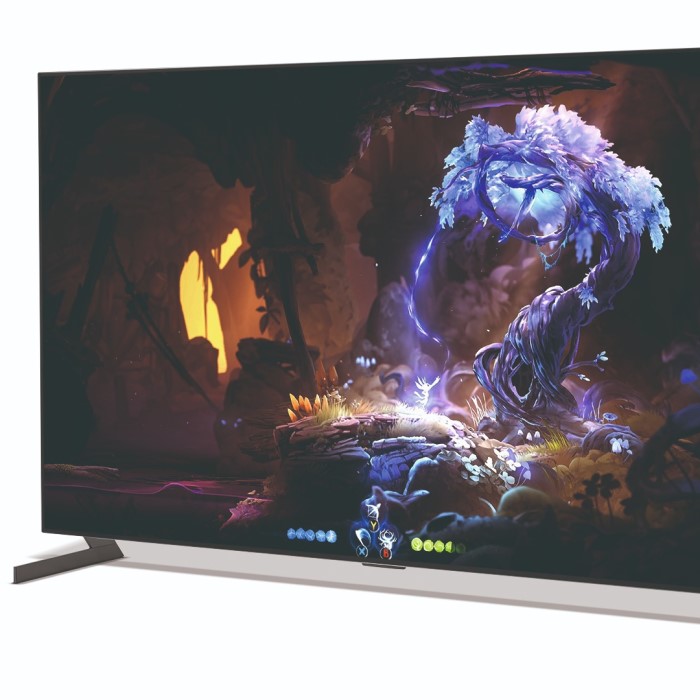
It brings them to life with incredible smoothness and clarity. Furthermore, this guide will explore the science behind the specs. We will explain why these numbers matter for your daily viewing habits. Modern content is evolving rapidly. Movies, sports broadcasts, and video games demand better hardware. Therefore, owning a TV that can keep up is essential. In this article, we will break down the technical jargon into simple concepts. We will discuss HDMI standards, panel types, and gaming features. By the end of this article, you will know exactly what to look for. You will be ready to choose the best model for your needs.
Understanding Refresh Rates and Resolution
To truly appreciate a high-end television, you must first understand the basics of display technology. The term “4K” refers to the resolution of the screen. Specifically, it describes a display resolution of approximately 4,000 pixels horizontally. This results in a total pixel count of over eight million. Consequently, images appear incredibly sharp and detailed. You can see the individual strands of hair on an actor’s head. You can also see the texture of fabric on a football jersey. On the other hand, “120Hz” refers to the refresh rate. This measures how many times the screen updates its image per second. A 60Hz TV updates the image 60 times every second. However, a 120Hz TV updates it 120 times every second. This doubles the amount of information displayed.
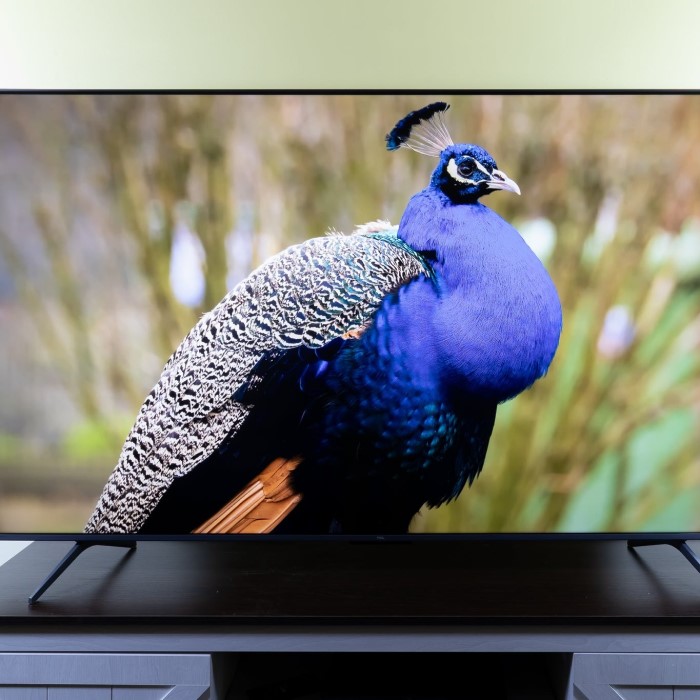
Therefore, the motion looks much smoother on a 120Hz screen. Fast-moving objects do not blur as much. This is particularly noticeable in action movies and sports. For example, when a soccer ball flies across the field, the motion remains clear. On a lower refresh rate screen, the ball might look like a blurry streak. Furthermore, the combination of 4K and 120Hz creates a pristine visual experience. You get the sharpness of high resolution. You also get the fluidity of a high refresh rate. These two features work together to reduce eye strain. They also make the viewing experience more immersive. Additionally, modern TVs often use motion interpolation. This technology inserts extra frames to simulate higher frame rates. This can make movies look smoother. However, purists sometimes prefer the native refresh rate without extra processing.
The Importance of HDMI 2.1 Connectivity
Buying a TV with the right refresh rate is only half the battle. You also need the correct ports to support that bandwidth. This is where HDMI 2.1 becomes critical. You cannot get a full 4K image at 120 frames per second without it. Older HDMI standards like 2.0 do not have enough bandwidth. They can handle 4K at 60Hz, but not at 120Hz. Therefore, HDMI 2.1 is a mandatory feature for next-gen gaming. It allows data to transfer much faster between your devices. This is essential for connecting consoles like the PlayStation 5 or Xbox Series X. Consequently, you must check the port specifications before buying. Many TVs claim to be 120Hz. However, some older models might lack the necessary HDMI 2.1 ports.
Furthermore, HDMI 2.1 brings other exciting features to the table. Variable Refresh Rate (VRR) is one of them. This allows the TV to adjust its refresh rate in real-time. It matches the output of the gaming console or PC. As a result, you experience less screen tearing and stuttering. Another key feature is Auto Low Latency Mode (ALLM). The TV automatically switches to “Game Mode” when it detects a game is being played. This reduces input lag significantly. You do not have to manually change settings every time. These features work together to create a seamless experience. Therefore, when shopping for a display, look for “HDMI 2.1” on the box. Do not settle for anything less if you plan on gaming. It is the bridge between your hardware and the screen. Without it, your expensive console cannot perform at its best.
Why Gamers Need a High Refresh Rate Screen
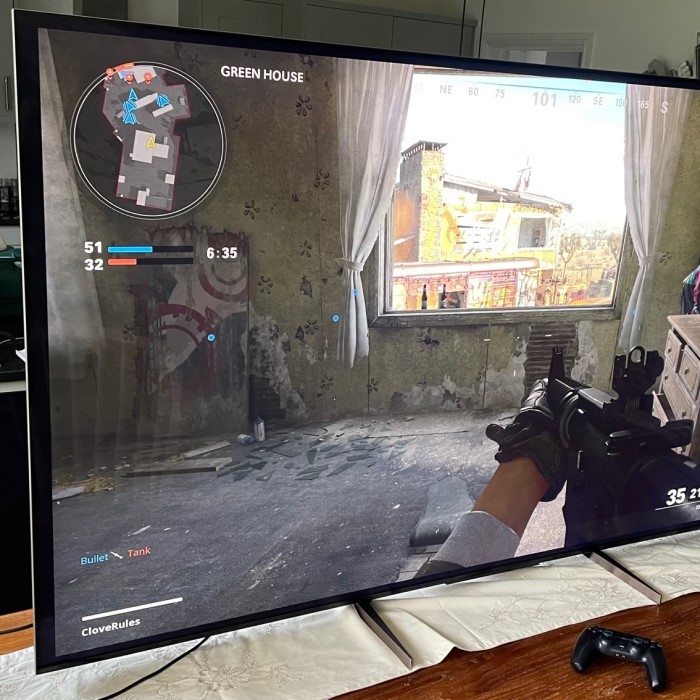
The gaming community benefits the most from these technological advancements. If you are a gamer, a 120hz 4k tv display is a game-changer. First-person shooters rely heavily on reaction time. A higher refresh rate gives you more visual information per second. Consequently, you can see enemies sooner. You can react faster to threats. This provides a competitive advantage in online multiplayer games. Games like “Call of Duty” or “Fortnite” run at high frame rates. A 60Hz TV would hold these games back. It would cap the visual fluidity. However, a high refresh rate screen shows every frame the console produces. The movement of the camera feels instantaneous and precise.
Moreover, input lag is drastically reduced on these screens. Input lag is the time between pressing a button and seeing the action on screen. High refresh rate panels typically have lower input lag in game mode. This makes the controls feel tighter and more responsive. You will feel more connected to the game world. Furthermore, the visual clarity in motion is stunning. When you turn the camera quickly in an RPG, the environment stays clear. You do not see the “ghosting” effect common on slower panels. Ghosting is when a faint trail follows a moving object. This can be distracting. A 120hz 4k tv panel minimizes this issue. Therefore, you can track targets easily. Modern gaming is all about immersion. The combination of 4K resolution and high frame rates creates a realistic window into virtual worlds. You will notice details you never saw before.
The Sports Enthusiast’s Perspective
Sports fans also have many reasons to upgrade their home theater setup. Live sports are inherently fast-paced. Think about a hockey puck sliding across the ice. Consider a tennis ball served at over 100 miles per hour. Standard TVs often struggle to display this motion cleanly. You might see blurring or judder during fast pans. This can ruin the experience of watching a crucial play. However, a high refresh rate panel handles motion effortlessly. The image remains stable and clear. You can follow the ball or the puck with ease. Consequently, you feel like you are sitting in the stadium.
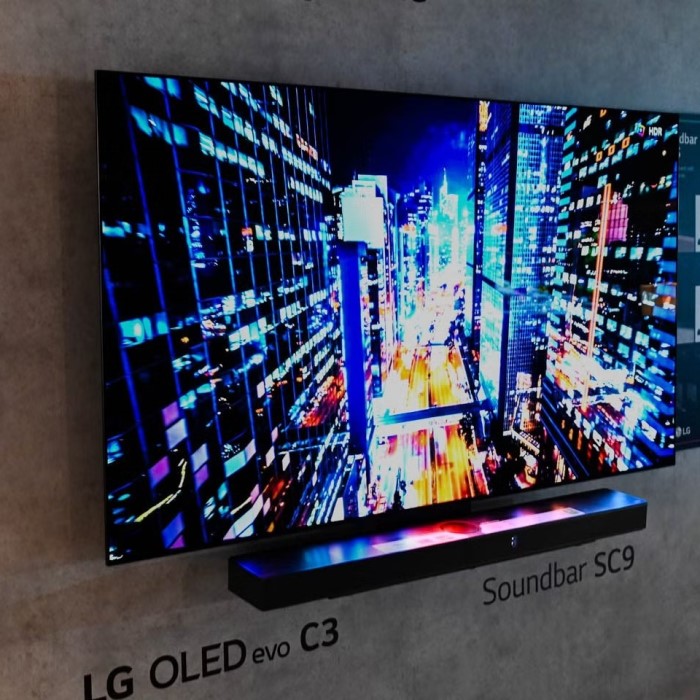
Additionally, most major sports broadcasts are still in 60 frames per second or lower. You might wonder why you need a 120Hz TV for 60Hz content. The answer lies in motion processing. Modern TVs can interpolate frames. They add extra frames between the actual broadcast frames. This creates a smoother image often called the “Soap Opera Effect.” While some viewers dislike this for movies, it is fantastic for sports.
It makes the motion look incredibly fluid. Furthermore, even without interpolation, a 120Hz panel handles 60Hz content better. It can display each frame for an equal amount of time. This eliminates the “judder” caused by converting 60 frames to a 60Hz display. Therefore, motion looks more natural. You will see the rotation of a basketball clearly. You will see the mud flying off a motocross bike. The viewing experience becomes much more engaging. For die-hard sports fans, this upgrade is almost mandatory. It brings the action into your living room with startling realism.
Different Panel Technologies: OLED vs. LED
When shopping for a new TV, you will encounter different panel types. The two main contenders are OLED and LED/LCD. Each technology has its own strengths regarding refresh rates. OLED panels are known for their perfect blacks and infinite contrast. Each pixel emits its own light. Therefore, they can turn off completely. This creates a stunning image. Furthermore, OLED panels have incredibly fast response times. This is even faster than most LED panels. The pixels can change colors almost instantly. Consequently, motion blur is virtually non-existent on OLEDs. For gamers and sports fans, this is a massive benefit. The image stays sharp no matter how fast the action gets.
However, LED TVs using Quantum Dot technology (QLED) are also strong competitors. They are typically much brighter than OLEDs. This makes them better for rooms with lots of sunlight. Modern high-end LED TVs also offer 120Hz refresh rates. They use technology called “BFI” or Black Frame Insertion to improve motion clarity. While they may not have the instant response time of OLED, they are very close. Additionally, LED TVs are less prone to burn-in. Burn-in is a risk with OLEDs where static images can leave a permanent mark. Although this risk is small now, it is a consideration. Therefore, choosing between them depends on your environment. If you play games in a dark room, OLED is usually the best choice. If you watch sports in a bright living room, a high-end LED might be better. Both technologies support 4K at 120Hz. You should choose based on your specific viewing conditions.
Key Features to Look for in 2026 Models
As we look at the market in 2026, TVs have become smarter and more advanced. You should look for models that include advanced processing chips. These chips use Artificial Intelligence to upscale content. Not everything you watch will be in 4K. Old movies and standard cable broadcasts need enhancement. AI upscaling takes lower resolution images and makes them look like 4K. It sharpens edges and adds detail. This ensures you always get the best picture quality. Furthermore, the interface should be fast and intuitive. No one wants a slow smart TV. Look for models with plenty of storage and fast processors.
Another feature to consider is HDR support. High Dynamic Range allows for a wider range of colors and brightness. Look for formats like Dolby Vision, HDR10+, and HLG. These formats work hand-in-hand with 4K resolution. They make the highlights pop and shadows deeper. A TV with a high refresh rate but poor HDR will not look impressive. Therefore, you want a TV that combines all these features. Also, consider the sound quality. While picture is paramount, audio matters too. Some TVs come with built-in subwoofers or advanced sound systems. However, most enthusiasts still prefer a soundbar or a surround sound system. Finally, check for eco-friendly features. Many 2026 models use less power. They might have sensors to adjust brightness based on room lighting. These features save energy and improve the viewing experience.
Frequently Asked Questions
Do 4K 120Hz TVs exist?
Yes, they absolutely exist. In fact, they are very popular right now. Most high-end televisions sold today offer these specifications. You can find them from major brands like Samsung, LG, Sony, and TCL. They are becoming the standard for premium home entertainment. However, you must ensure the model you buy specifically supports 4K at 120Hz. Some older or cheaper models might claim 120Hz. But they might only achieve that rate at lower resolutions like 1080p. Therefore, always check the official specifications sheet. Look for the HDMI 2.1 certification to be sure.
Is a 120Hz TV really needed?
It depends on how you use your 120hz 4k tv. If you only watch the news and slow-paced dramas, you might not need it. A standard 60Hz 4K TV will work fine for you. However, if you are a gamer or a sports fan, it is highly recommended. The difference in motion clarity is significant. Fast action looks much smoother. It reduces eye strain during long sessions. Furthermore, if you own a PS5 or Xbox Series X, it is essential to unlock the full potential of your console. Therefore, for many modern users, it is a necessary upgrade.
What is the highest refresh rate on a 4K TV?
Currently, the standard for high-end performance is 120Hz. However, technology is always moving forward. Some newer gaming monitors and specialized displays are pushing 144Hz or even 240Hz. But for large screen televisions, 120Hz is currently the peak mainstream standard. We are starting to see some prototype TVs with higher rates. For the average consumer in 2026, 120Hz provides the best balance of performance and value. It delivers incredible smoothness without the extreme cost of experimental tech.
Can 4K run at 120Hz?
Yes, it can. However, you need the right hardware chain. You need a source device capable of outputting 4K at 120 frames per second. You need an HDMI 2.1 cable to transmit that data. And you need a TV that can receive and display it. If any part of this chain is weak, you will not get the full experience. For example, using an old HDMI cable will limit you. You might only get 4K at 60Hz. Therefore, ensure every cable and device supports the latest standards. Once everything is set up correctly, the results are stunning.
Conclusion
In conclusion, the technology behind the 120hz 4k tv has transformed the way we consume media. It offers a leap in visual fidelity that benefits every type of viewer. From the intense battlegrounds of next-gen gaming to the pristine clarity of live sports, the difference is undeniable. As we have explored, features like HDMI 2.1, low input lag, and advanced panel technology are essential. They work in unison to deliver a seamless experience. Therefore, investing in a 120hz 4k tv is a smart move for anyone looking to future-proof their home entertainment system. You are not just buying a screen. You are buying a window into the future of visual content. We hope this guide has helped you understand the value of this technology.