
The Importance of Reviving Old Hardware in 2026
Electronic waste is a massive global problem. Every year, millions of computers end up in landfills. This happens because software becomes too heavy. Manufacturers want you to buy new devices. However, your old laptop is likely still useful. The hardware has not physically broken. It is just struggling with modern, bloated operating systems. Therefore, finding a solution is crucial. This is where the search for the best linux distro becomes relevant. By switching operating systems, you extend the life of your machine. You save money. Furthermore, you help the environment.
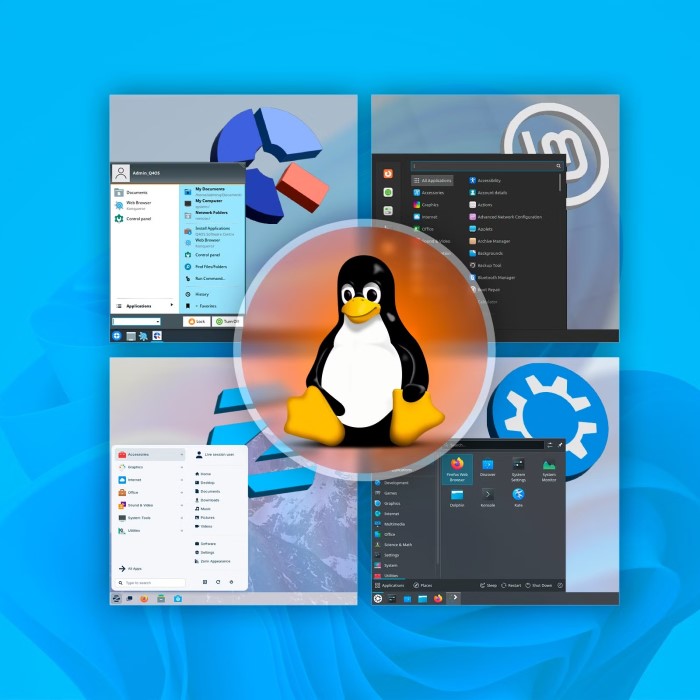
In 2026, software requirements have grown. Windows and macOS demand powerful processors. They need solid-state drives and lots of RAM. Your old computer might only have 4GB of RAM. It might have a spinning hard drive. Consequently, it runs very slowly. It might even freeze during simple tasks. This is frustrating for the user. However, Linux offers a different path. It is open-source. This means anyone can modify it. Developers have created versions specifically for low-resource machines. These versions are called “lightweight” distributions.
Moreover, using Linux gives you control. You decide how your desktop looks. You decide which applications run in the background. There is no forced telemetry. There are no annoying auto-updates that lock your screen. Therefore, the user experience is much smoother. You can turn a slow, unusable machine into a fast, reliable workstation. It can handle web browsing, word processing, and media playback with ease. The right choice makes all the difference. We will explore the options available. We will help you identify the best linux distro for your specific needs. This ensures your hardware remains useful for years to come.
Why Finding the Best Linux Distro Matters for Performance
Performance is the primary goal when reviving old hardware. A standard operating system carries a heavy load. It runs many background services. It animates every window movement. These visual effects look nice. However, they consume valuable processing power. Consequently, the CPU struggles. The system lags. This is why selecting the best linux distro is vital. A lightweight system strips away the unnecessary bloat. It focuses on core functionality. The result is a snappy, responsive computer.
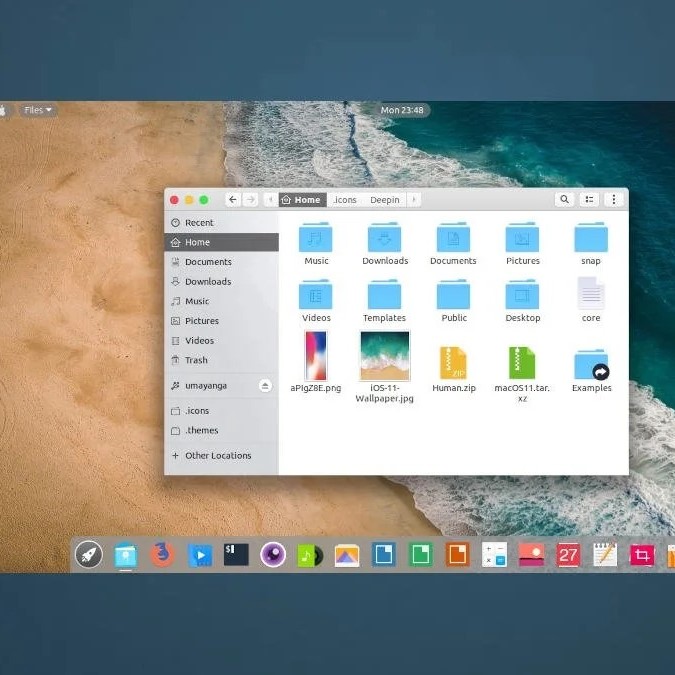
Furthermore, resource management differs between operating systems. A standard Windows installation can use 3GB of RAM at idle. This leaves very little memory for your applications. In contrast, a lightweight Linux system might use only 300MB of RAM. This massive difference frees up resources. Your web browser can run faster. Your documents open instantly. Therefore, the hardware works for you, not against you.
In addition, battery life improves significantly on laptops. Old batteries degrade over time. They hold less charge. A heavy operating system taxes the processor constantly. This drains the battery quickly. However, a streamlined Linux distribution uses less CPU power. It generates less heat. Consequently, the fan runs less often. The battery lasts longer per charge. This portability is essential for older laptops. You can actually use your device away from an outlet.
Moreover, security is a major factor. Older versions of Windows are no longer supported. They are vulnerable to viruses and malware. Linux is inherently more secure. Its permission structure limits the damage a virus can do. Furthermore, most Linux distributions receive regular updates. You stay protected without paying for antivirus software. Thus, choosing the best linux distro improves speed and security simultaneously.
Key Features to Look for in a Lightweight System
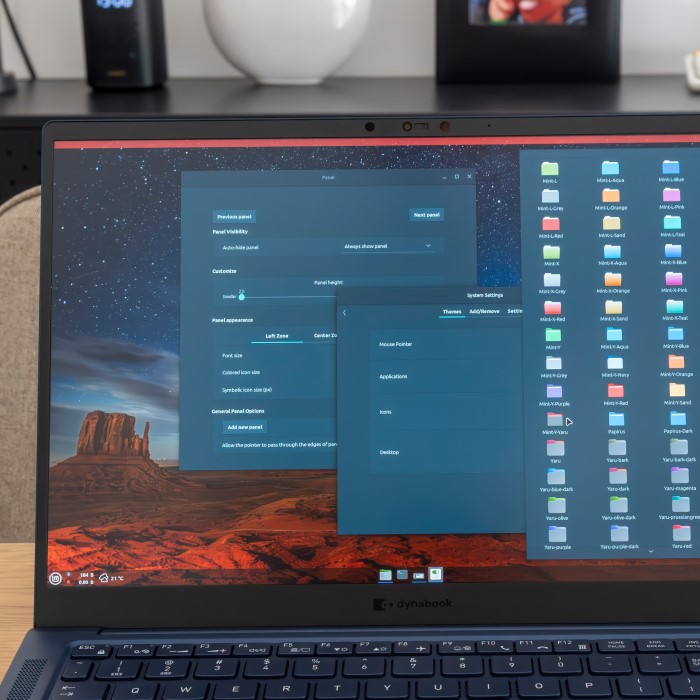
Not all Linux distributions are created equal. Some are designed for servers. Others are for high-end gaming workstations. Therefore, you must choose carefully. When searching for the best linux distro for old hardware, look for specific features. The most important feature is the desktop environment. This is the graphical interface you interact with. Heavy environments like GNOME or KDE Plasma are beautiful. But they require significant RAM and GPU power. Instead, look for XFCE, LXQt, or MATE. These environments are light. They use very few system resources.
Furthermore, consider the package manager. This is how you install software. Some distributions use Snap or Flatpak. These technologies package apps with their dependencies. They are convenient. However, they can take up more disk space. They might also launch slightly slower. Therefore, traditional package managers like APT or RPM are often better for old hardware. They integrate better with the system. They are faster to launch.
In addition, check the system requirements. Every distribution lists these on their website. Look for the “minimum requirements.” If a distro needs 4GB of RAM just to install, avoid it. The best linux distro for old hardware should run comfortably on 2GB of RAM. Ideally, it should even run on 1GB. Also, consider the installation size. Older hard drives are small. You do not want an operating system that takes up 50GB of space.
Moreover, consider the community support. A large community means help is available. You will likely encounter questions. You might need help with drivers or settings. A popular distribution has forums and wikis. You can find answers easily. A smaller, obscure distribution might leave you stranded. Therefore, popularity is often a good indicator of usability.
MX Linux: The Top Contender for Old Laptops
MX Linux consistently ranks high. It is often called the best linux distro for mid-range hardware. It is based on Debian. This means it is incredibly stable. It uses the XFCE desktop environment by default. This environment is modern yet lightweight. It does not sacrifice usability for speed. Consequently, it feels familiar to new users. It looks like a traditional computer desktop.
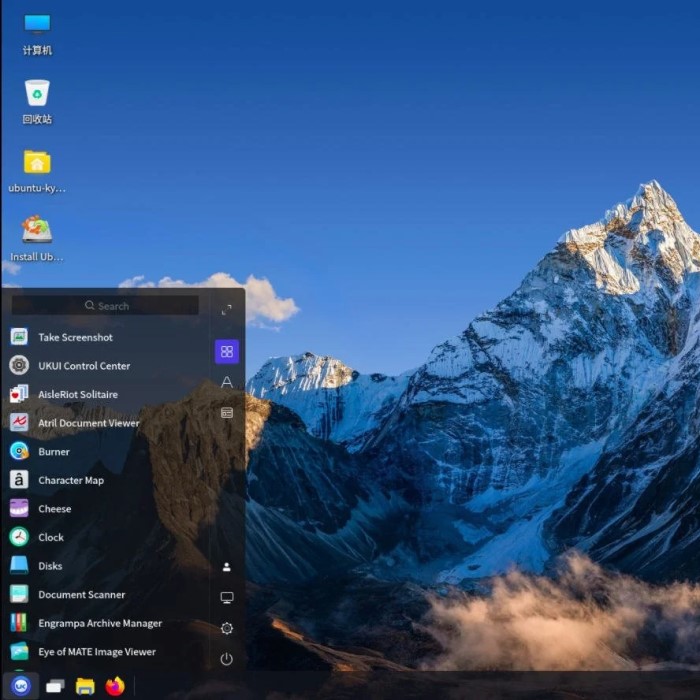
Furthermore, MX Linux includes unique tools. These tools are called “MX Tools.” They simplify system management. For example, the “MX Package Installer” makes installing software easy. You do not need to use the command line. You can install popular applications with one click. This is perfect for beginners. Moreover, the “Snapshot” tool is excellent. It lets you backup your entire system. You can create a bootable ISO file of your current setup. This makes recovery very simple.
In addition, it handles media very well. Many lightweight distros struggle with video codecs. MX Linux includes these out of the box. YouTube videos play smoothly. You do not need to spend hours installing drivers. Furthermore, it supports 32-bit architecture. Many computers built before 2010 use 32-bit processors. Most modern operating systems have dropped this support. However, MX Linux keeps it alive. This makes it a lifesaver for truly ancient machines.
Moreover, the community is very active. The forums are friendly. They welcome beginners. You will find solutions to common problems quickly. The developers also listen to user feedback. They focus on stability over bleeding-edge features. This means your system will not break after an update. For these reasons, many consider MX Linux the best linux distro for reliability on older machines.
Linux Lite: The Perfect Choice for Windows Users
Switching operating systems can be scary. The interface might look alien. Users worry about the learning curve. Linux Lite addresses this fear directly. It is designed to look like Windows. The taskbar is at the bottom. The start menu is in the corner. The “My Computer” icon is on the desktop. Therefore, it is often considered the best linux distro for switchers. You feel at home immediately.
Furthermore, Linux Lite is incredibly light. It uses the XFCE desktop environment. However, the developers have customized it heavily. They have stripped out unnecessary services. The idle RAM usage is very low. It boots up quickly, even on old spinning hard drives. This speed is noticeable immediately. You click an icon, and the window opens instantly.
In addition, hardware compatibility is a priority. Old computers often have old Wi-Fi cards. These cards sometimes struggle with Linux drivers. Linux Lite includes a “Hardware Detector” tool. It scans your computer. It suggests and installs drivers automatically. This saves a lot of headache. You get your internet working right away. Moreover, the update manager is set to “don’t upgrade blindly.” It notifies you of updates. But it does not force them. This prevents surprising changes to your workflow.
Moreover, the software selection is practical. It comes with LibreOffice pre-installed. You can open Word documents immediately. It includes Firefox for browsing. It includes VLC for playing videos. These are the essentials. You do not need to download extra software to get started. The developers understand what a user needs. They focus on function over form. Consequently, Linux Lite is a strong candidate for the best linux distro title in 2026.
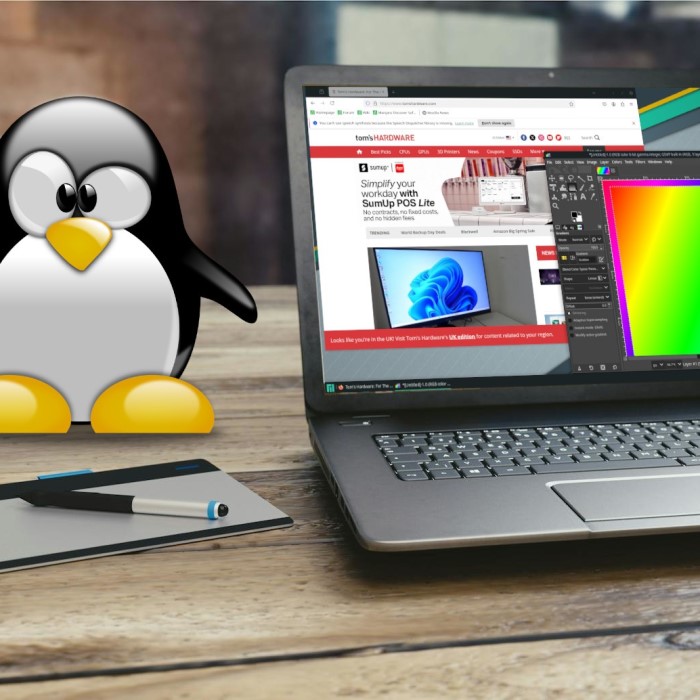
Bodhi Linux: The Ultra-Lightweight Option
Some computers are very old. They might have a single-core processor. They might have only 1GB of RAM. For these machines, even XFCE might be too heavy. You need something extremely light. This is where Bodhi Linux shines. It is arguably the best linux distro for absolute minimum specs. It uses the Moksha desktop environment. This is a fork of Enlightenment. It is stunningly beautiful. It also uses very few resources.
Furthermore, Bodhi Linux is a “minimalist” distribution. It comes with very little pre-installed software. You get a web browser. That is mostly it. This keeps the download size tiny. It keeps the RAM usage incredibly low. Consequently, the system is incredibly fast. It flies on old hardware. You install only what you need. This prevents bloat from accumulating.
In addition, Bodhi is based on Ubuntu. This is a huge advantage. Ubuntu has the largest software repository. Any software that runs on Ubuntu runs on Bodhi. Therefore, despite being minimal, it is very capable. The AppCenter makes this process simple. However, be prepared to build your own system. You will need to install your own PDF reader. You might need to install a different media player.
Moreover, it looks modern. Many lightweight desktops look dated. They look like they are from the 1990s. Bodhi, however, has elegant animations. It has a sleek, dark theme. It proves that lightweight does not have to mean ugly. If you are willing to put in a little work to customize your desktop, Bodhi is the best linux distro for maximizing performance.
Installation Tips for Your Best Linux Distro
Once you choose your distribution, you must install it. This process has become very easy. However, there are a few tips to ensure success. First, you need a USB drive. You will flash the operating system onto this drive. Use a tool like Rufus or BalenaEtcher. These tools are free. They create a bootable USB stick. Then, you plug the USB into your old computer. You restart the computer. You might need to press a specific key (like F2 or F12) to boot from USB.
Furthermore, always try the “Live” mode first. Most Linux distros offer this. You can run the operating system from the USB stick. You do not install it yet. This lets you test your hardware. Check if your sound works. If everything works in Live mode, it will work after installation. Therefore, this step saves you from disappointment. It confirms you have chosen the best linux distro for your specific machine.
In addition, consider your hard drive. Old computers often have slow hard drives. If you have a little money, invest in a Solid State Drive (SSD). Replacing an old HDD with an SSD is the single biggest upgrade. It transforms the computer. Even the best linux distro will run slowly on a failing hard drive. An SSD makes the system boot in seconds. Applications open instantly. It is a cheap way to get more life from the machine.
Moreover, backup your data. If the computer has files you want to keep, move them to an external drive. The installation process often wipes the hard drive. Do not rely on the installer to save your files. Be proactive. Once your data is safe, proceed with the installation. Follow the on-screen prompts. The installer will guide you through partitioning and user setup.
Maintaining Your System for Long-Term Speed
After installation, you want to keep the system fast. Linux is very low maintenance. However, there are best practices. First, keep your system updated. Updates contain security patches. They also contain driver improvements. Most distributions have an update manager. Run it once a week. This ensures you have the best linux distro experience possible.
Furthermore, be careful with startup applications. Some applications try to start automatically when you log in. This slows down the boot time. It uses RAM in the background. Go to the “Session and Startup” settings. Disable anything you do not need immediately. For example, you do not need a printer app starting if you rarely print. Keep the system lean.
In addition, manage your browser. Web browsers are the heaviest applications. They use a lot of RAM. If you open 50 tabs, your computer will slow down. This is true for any operating system. Try to keep open tabs to a minimum. Alternatively, use a lighter browser. Browsers like Brave or Falkon use fewer resources than Chrome. They can make the best linux distro feel even faster.
Moreover, be mindful of “Flatpaks” and “Snaps.” These are universal software packages. They are easy to install. However, they are larger files. They use more disk space. They also take a split second longer to open. If you can find a “native” package (usually ending in .deb or .rpm), use that instead. It will be more integrated with your system. It will run slightly faster. By following these tips, your revived computer will serve you well for years. You get the most out of your hardware investment.
Frequently Asked Questions About Lightweight Linux
1. Will Linux erase my files during installation?
Yes, installing an operating system usually formats the hard drive. Therefore, you must backup your important files before starting. You can copy photos and documents to an external USB drive or a cloud service. The installer will warn you before it erases data. Always proceed with caution to avoid losing valuable memories or work documents.
2. Can I run Windows programs on Linux?
Some Windows programs run on Linux using compatibility layers like Wine. However, not all software works perfectly. You should look for Linux alternatives. For example, use LibreOffice instead of Microsoft Office. Use GIMP instead of Photoshop. Most Linux distributions have software centers with thousands of free alternatives.
3. Is it difficult to learn Linux?
Modern Linux distributions are very user-friendly. They have graphical interfaces just like Windows or macOS. You do not need to use the command line for basic tasks. Distributions like Linux Lite or Mint are designed specifically for beginners. They have familiar layouts and simple menus, making the transition very easy for most people.
4. Where can I get help if I am stuck?
The Linux community is incredibly helpful. Every major distribution has a dedicated forum. You can search for your problem there. Chances are, someone else has already asked the same question. You can also visit the wiki pages. These resources are maintained by experienced users who want to help you succeed.
Conclusion
Reviving old hardware is a smart choice. We have explored several excellent options. MX Linux offers stability and tools. Linux Lite offers familiarity. Bodhi Linux offers extreme minimalism. There is a perfect match for every machine. Finding the best linux distro depends on your specific needs. Evaluate your hardware. Try the Live USB option. Do not be afraid to experiment.
In 2026, the need for efficiency is higher than ever. Software bloat continues to grow. But the open-source community provides the antidote. You do not need to throw away that old laptop. It has years of life left. With the right operating system, it becomes a powerful tool again. You can browse the web, edit documents, and watch movies. You can do it all without lag or crashes.
Remember to start with a backup. Choose a lightweight desktop environment. Keep your system updated. By following this guide, you join millions of users who enjoy freedom. You control your computer. The operating system serves you. Enjoy the speed and reliability of the best linux distro for your hardware. Happy computing.