
Introduction to Common iPad Keyboard Issues
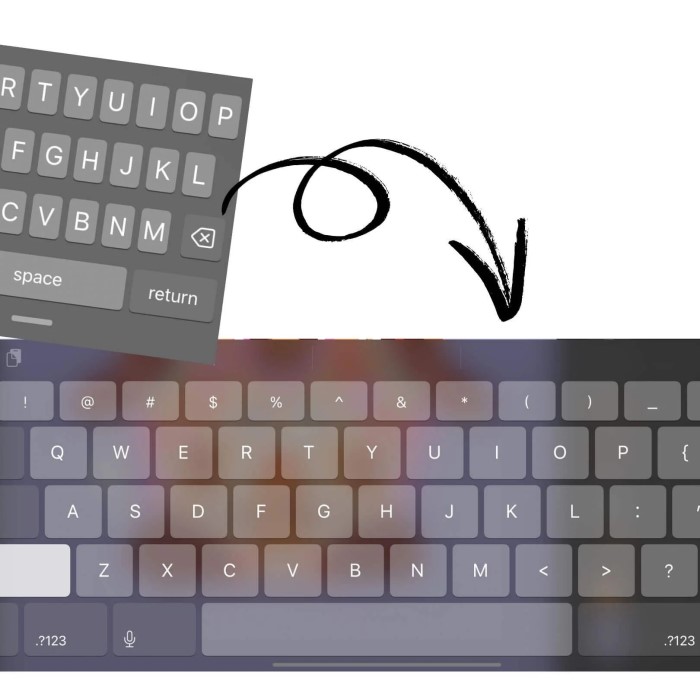
The iPad is an incredibly versatile device, blending the convenience of a tablet and the functionality of a laptop. However, like any piece of technology, it can encounter issues—especially concerning the keyboard. If you find yourself asking how to fix keyboard on iPad, you are not alone. Many users have experienced keyboard problems that can significantly disrupt their workflow or leisure activities. From unresponsive keys to floating keyboards, identifying solutions can save you time and frustration. This comprehensive guide will walk you through several troubleshooting steps to fix your iPad keyboard effectively in minutes.
Understanding the Types of Keyboard Problems
How to fix keyboard on ipad? Before diving into solutions, it’s essential to understand the types of keyboard issues that may arise on your iPad. Recognizing the specific problem can help you apply the right fix quickly. Here are some common scenarios:
1. Keyboard Not Responding at All
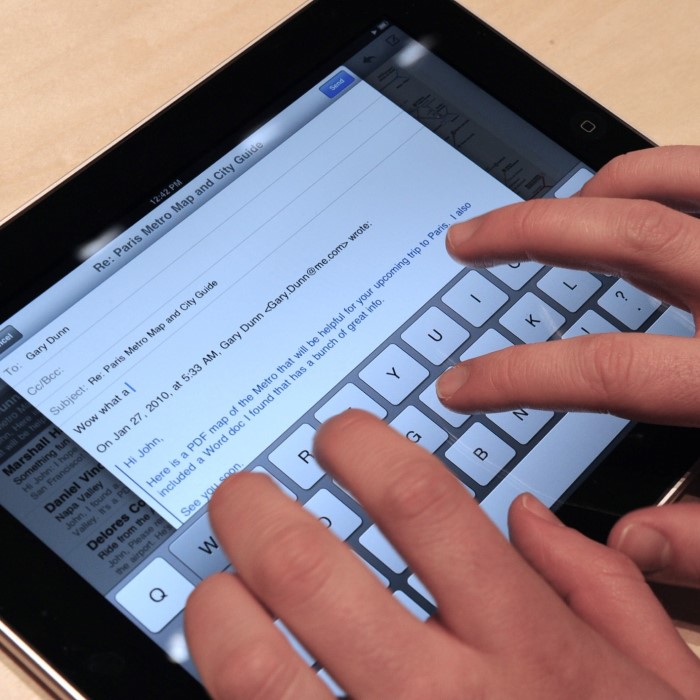
One of the most frustrating issues is when the keyboard doesn’t respond. If you notice that tapping keys yields no response, it may stem from a software glitch or hardware issue.
2. Floating Keyboard Issues
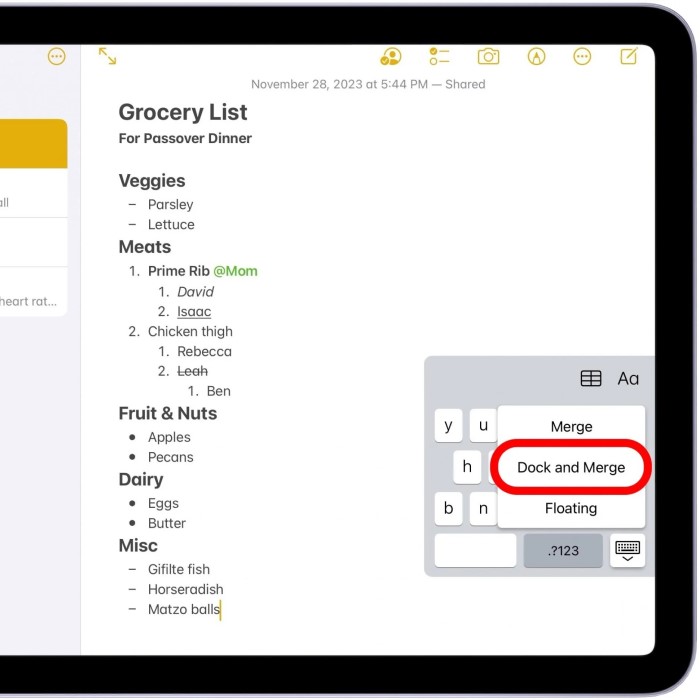
Sometimes, the keyboard may shift to a floating position, which can be challenging to use. While this feature can be convenient, it often confuses users who prefer the standard keyboard layout at the bottom of the screen.
3. Typing Problems and Delays
Experiencing typing problems where the keyboard appears, but the keys do not register is another prevalent issue. This can be attributed to connection problems, settings issues, or even bugs in the software.
4. Unexpected Keyboard Layout Changes
At times, users find themselves facing changes to the keyboard layout. This could involve the keyboard switching languages, or utilizing a different keyboard type altogether.

How to Fix Keyboard on iPad: Effective Solutions
Now that we’ve identified some common issues, let’s get into the effective solutions to resolve them.
1. Restart Your iPad
Restarting your iPad is a simple yet effective way to fix many small glitches, including keyboard issues. Here’s how to do it:
- Press and hold the power button until the “Slide to power off” slider appears.
- Slide it to turn off the device.
- Wait a few seconds, then turn it back on by pressing the power button again.
This quick reset often solves minor software problems and can restore proper keyboard functionality.
2. Update Your iOS
Keeping your iPad updated is crucial for optimal performance, including keyboard functionality. Software updates can fix various bugs and improve device operation. To check for updates:
- Open the Settings app.
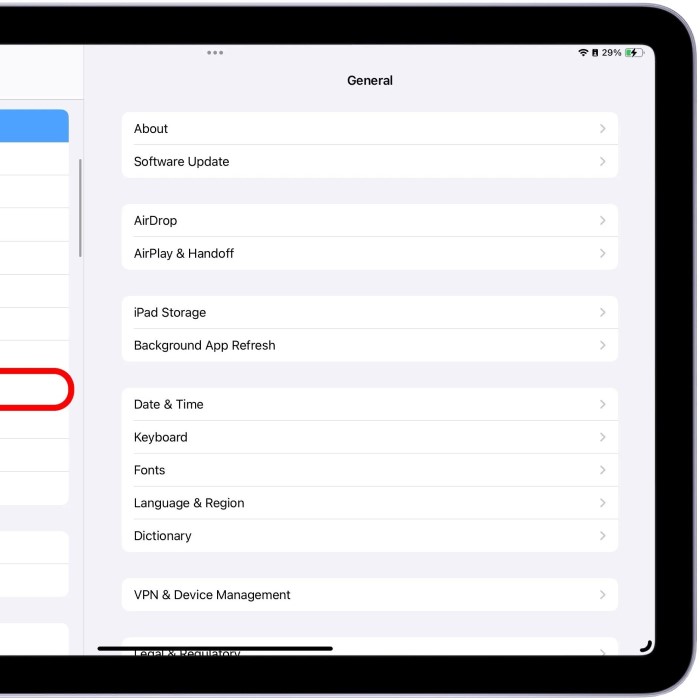
- Tap on General and then select Software Update.
- If an update is available, follow the prompts to download and install it.
After updating, check if your keyboard issues have been resolved.
3. Reset Keyboard Settings
-
- Start by locating the “Settings” app on your device. This app is usually found on the home screen or in the app drawer.
- Once you have opened the Settings menu, proceed by tapping on the option labeled “General.”
Accessing the Reset Options:
-
- After entering the General settings, scroll down through the list of options available.
- Look for the “Reset” option, which typically appears towards the bottom of the General settings menu. Tap on it to proceed to the reset options.
Resetting the Keyboard Dictionary:
-
- In the Reset menu, find and select the option labeled “Reset Keyboard Dictionary.” This is specifically designed to remove any customizations related to the keyboard.
- Be aware that this action will erase any custom words or phrases you have added to the dictionary, returning it to its original state.
Understanding the Effects:
-
- By resetting the keyboard dictionary, you can help correct potential layout-related issues that may be impacting your typing experience.
- This reset can resolve problems such as incorrect autocorrections or unexpected keyboard behavior, ultimately improving overall functionality.
Post-Reset Verification:
-
- After performing the reset, test the keyboard in various applications to ensure that it is working as intended and that any layout-related issues have been resolved.
- If you find that issues persist despite resetting the keyboard, consider checking for additional software settings or trying other troubleshooting methods, such as restarting the device or verifying language preferences.
Backup Custom Words:
-
- If certain custom words are important to you, consider backing them up before resetting the keyboard dictionary. You can write them down or store them in a notes app for future reference.
- This way, you can manually reintroduce those words into the dictionary after completing the reset, ensuring your typing experience remains personalized.
Restoring the Floating Keyboard to Normal
Floating keyboards can be inconvenient, especially for those accustomed to the traditional bottom-of-the-screen layout. Here’s how to address this issue:
1. Reposition the Floating Keyboard
If your keyboard is floating, you can reposition it quite easily:
- Use two fingers to pinch inward on the keyboard.
- This action will resize the keyboard and lock it back to the bottom of your screen.
2. Turn Off Floating Keyboard Feature
If you wish to prevent your keyboard from floating in the future, consider disabling that feature entirely:
- Navigate to Settings, then tap on General.
- Select Keyboard and ensure that the floating keyboard option is turned off.
Doing so will ensure the traditional layout is readily available when typing.
Fixing “Keyboard Not Typing” Problems
If your keyboard does not type, troubleshoot the issue by following these steps:
1. Check Bluetooth Connections
If you’re using a Bluetooth keyboard, check whether it’s connected properly:
- Go to Settings, tap on Bluetooth, and see if your keyboard is listed.
- If it’s not connected, attempt to reconnect it.
Ensure that your keyboard is switched on (if it has a power switch) and that it is in pairing mode if necessary.
2. Disconnect External Keyboards
Occasionally, having an external keyboard connected might interfere with the iPad’s internal keyboard. To test this:
- Disconnect any external keyboards and see if the on-screen keyboard becomes functional again.
3. Check for Software Restrictions
-
- It’s important to recognize that sometimes, restrictions set within the device can inadvertently limit keyboard functionality, causing frustration for the user.
- To troubleshoot keyboard issues, it’s essential to investigate the device settings to identify any potential restrictions that may be affecting use.
-
- Begin the troubleshooting process by accessing the device settings. Locate the “Settings” app on your device’s home screen or app drawer.
- Once in the Settings menu, look for the section labeled “Screen Time,” and tap on it to open the relevant settings.
Adjusting Content & Privacy Restrictions:
-
- Within the Screen Time section, you will find options related to “Content & Privacy Restrictions.” This feature is designed to help manage what content and functions can be accessed on the device.
- Ensure that the “Content & Privacy Restrictions” settings are configured correctly to allow full access to the keyboard and its features.
- Review the specific restrictions related to keyboard access, making sure that they are not set to block or limit the keyboard’s functionality.
- If changes are necessary, toggle the settings to enable keyboard access, ensuring that the keyboard operates as intended.
Confirming Changes:
-
- After making adjustments to the Content & Privacy Restrictions, it’s important to test the keyboard to confirm that it is functioning correctly.
- Try using the keyboard in various applications to ensure that the changes have taken effect and that there are no remaining restrictions hindering its use.
- If the keyboard still does not work after adjusting the settings, further troubleshooting may be required, including checking for software updates or restarting the device.
Seeking Further Assistance:
-
- If issues persist despite reviewing the settings, consider seeking additional help through customer support or online forums to address more complex software restrictions or device malfunctions.
- Remember that sometimes, keyboard issues may also stem from other software updates or compatibility problems, so keeping the device software up-to-date is essential for optimal performance.
Frequently Asked Questions (FAQs)
1. How do I get my keyboard back to normal on my iPad?
To return your keyboard to normal, try disabling the floating keyboard by pinching it back into position or adjusting settings under the Keyboard options in General Settings.
2. How do I fix my keyboard not typing on my iPad?
If your keyboard isn’t typing, disconnect any Bluetooth keyboards you have, restart your iPad, or check your key settings under Screen Time.
3. How do I get my iPad keyboard back to the bottom of the screen?
To bring the keyboard back down, pinch the floating keyboard with two fingers to lock it at the bottom, or you can disable the floating feature in the keyboard settings.
4. How to fix keyboard on iPad floating?
To fix a floating keyboard, simply pinch the keyboard with two fingers, which will immediately lock it back into the standard position at the bottom of the screen.
Conclusion: Quick Fixes for iPad Keyboard Issues
In summary, knowing how to fix keyboard on iPad involves several straightforward troubleshooting steps. From restarting your device and updating iOS to resetting keyboard settings, you can address most keyboard problems efficiently. Additionally, recognizing how to manage floating keyboards and typing issues ensures that your iPad remains user-friendly and functional.
Finally, keeping your device updated and utilizing its built-in settings will help maintain keyboard performance. By acting quickly on these solutions, you can enjoy a seamless typing experience on your iPad for both work and play. If the problems persist despite following these steps, considering reaching out to Apple Support might be necessary for a more comprehensive solution. Don’t let keyboard issues get in the way—take back control of your iPad experience!