
Introduction: The Ongoing Battle between iPhone and Samsung
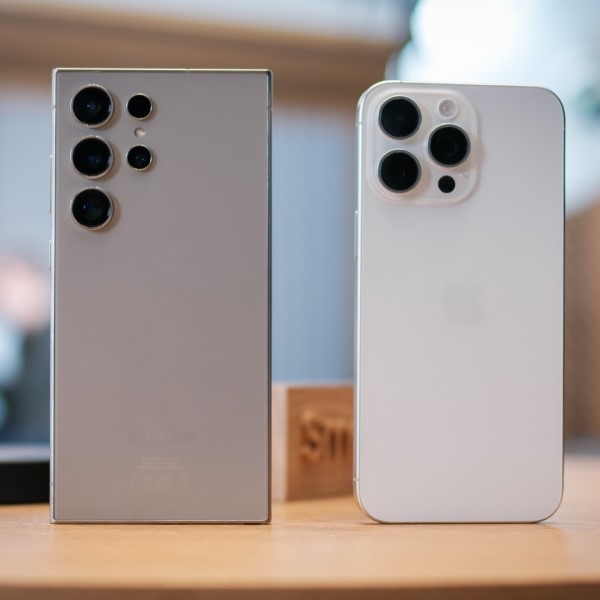
The smartphone market is a competitive landscape, with numerous brands vying for consumer loyalty. Among these, Apple and Samsung stand out as two of the most significant players. Each has established a dedicated following, making the iphone vs samsung comparison one of the most discussed topics in technology. Both brands offer a mix of unique features, performance capabilities, and design aesthetics that cater to different user preferences. Whether you’re a long-time fan of the iPhone ecosystem or a staunch supporter of Samsung’s innovation, this guide will break down the key differences and help you make an informed decision.
Brand Overview: Apple and Samsung
Apple: A Legacy of Innovation
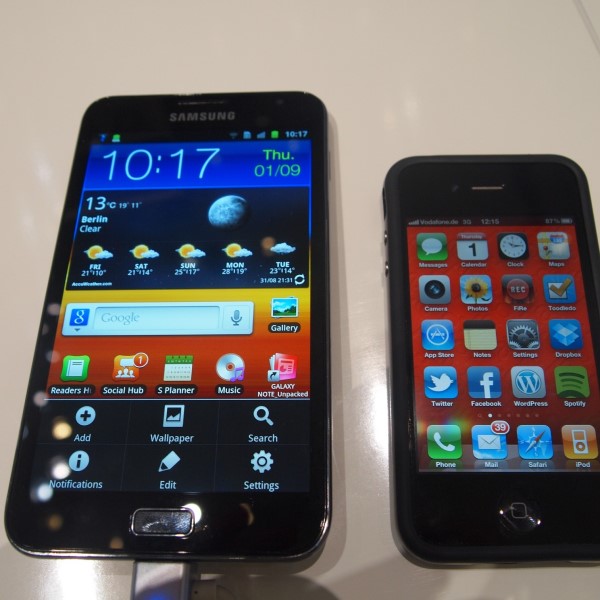
Apple’s iPhones have consistently set the standard for what it means to be a premium smartphone. With features like the App Store, Face ID, and seamless integration of hardware and software, Apple has created an ecosystem that is user-friendly and secure. The company prides itself on high-quality build materials, exceptional design, and a customer-centric approach that emphasizes privacy. For many, the allure of the iPhone lies not just in its functionality, but also in its status as a lifestyle choice.
Samsung: The Leader in Variety
Diverse Product Range:
Samsung excels in providing an extensive variety of smartphones, catering to diverse consumer preferences and budgets. Unlike some competitors that focus solely on premium models, Samsung’s Galaxy lineup spans numerous categories. This diversity enables users to choose from budget-friendly devices to high-end flagship models, ensuring that there is something for everyone.
Budget-Friendly Options:
For consumers seeking affordable alternatives, Samsung offers numerous budget-friendly models. Devices within the Galaxy A series, for instance, provide good functionality without breaking the bank. These phones typically feature essential specifications, quality cameras, and reliable performance, making them perfect for students or entry-level users.
Premium Smartphones:
On the upper end of the spectrum, Samsung’s flagship models—such as the Galaxy S and Galaxy Note series—are equipped with cutting-edge technology and premium features. These smartphones often include the latest processors, high-resolution cameras, and advanced displays, catering to power users and enthusiasts who seek the best performance mobile devices can offer.
Innovative Features:
Samsung is renowned for its commitment to innovation, regularly introducing new technologies in its smartphones. For example, the AMOLED display technology provides vibrant colors and deep contrasts, greatly enhancing the viewing experience. Additionally, advancements in camera capabilities, such as improved low-light performance and multiple lenses, set Samsung devices apart in the competitive landscape.
Expandable Storage Options:
One of the standout features of many Samsung devices is the inclusion of expandable storage. Unlike some competitors, Samsung often includes microSD card slots, allowing users to expand their device storage easily. This feature is highly appealing for consumers who store large amounts of media, including photos, videos, and apps.
Customizable User Experience:
Samsung devices offer a high level of customization through the One UI interface. Users can personalize their devices to suit their preferences fully. From changing themes to adjusting app layouts, Samsung provides flexibility that many users appreciate. This level of customization distinguishes Samsung products from competitors, where user interfaces tend to be more fixed.
Balancing Quality and Affordability:
By providing multiple tiers of devices at various price points, Samsung strikes an effective balance between quality and affordability. This means that consumers do not have to sacrifice performance for cost. Users can find a suitable device that meets their specific requirements without overspending.
Performance Comparison
Processing Power: A Closer Look
Both Apple and Samsung utilize powerful processors in their smartphones. Apple’s latest iPhones are powered by the A-series chips, which consistently rank among the fastest in the industry. These chips allow for smooth multitasking, fast app launches, and impressive graphics performance. On the other hand, Samsung relies on Qualcomm’s Snapdragon processors in certain markets and Exynos chips in others. While both processors provide excellent performance, Apple’s chips tend to outperform their competitors when benchmarked for speed and efficiency.
Gaming and Multitasking
When it comes to gaming and multitasking, both brands have strengths. iPhones typically excel due to their optimized software and hardware integration. This optimization provides a more fluid gaming experience with fewer performance drops. Samsung devices, particularly those with larger displays, allow for split-screen multitasking and feature Samsung’s One UI. This interface provides flexibility in managing multiple apps simultaneously, which can be advantageous for power users.
Design and Display Quality
Aesthetic Appeal
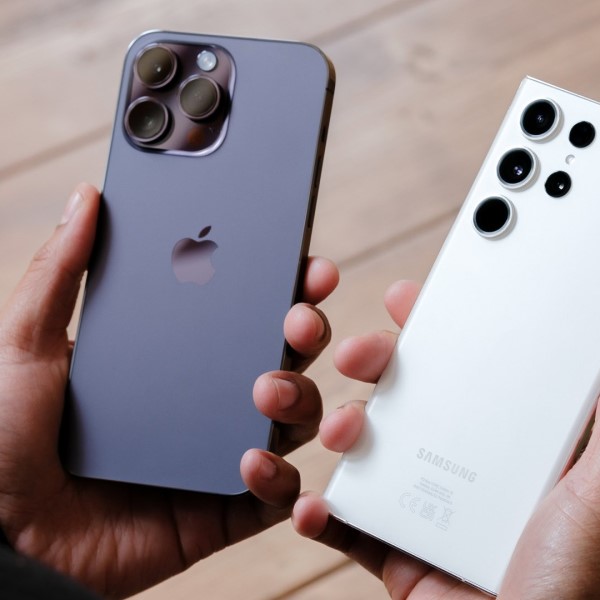
Design is often subjective, yet both Apple and Samsung have distinct design philosophies. Apple’s iPhones feature a polished, minimalist design that emphasizes clean lines and premium materials. The ceramic shield front cover and aerospace-grade aluminum frame provide durability while maintaining an elegant appearance. Samsung, however, often innovates with design elements, as seen in their Galaxy Z lineup that features foldable displays and unique form factors.
Screen Technology Comparison
Samsung typically leads the industry with its unparalleled AMOLED screens, which offer vibrant colors and deep blacks for an immersive viewing experience. This screen technology is especially evident in their flagship models. Meanwhile, Apple’s Retina displays provide fantastic color reproduction and clarity, although the conversation shifts in favor of Samsung regarding display technology. The decision often comes down to personal preference regarding brightness, contrast, and color saturation.
Camera Capabilities
Photography Features
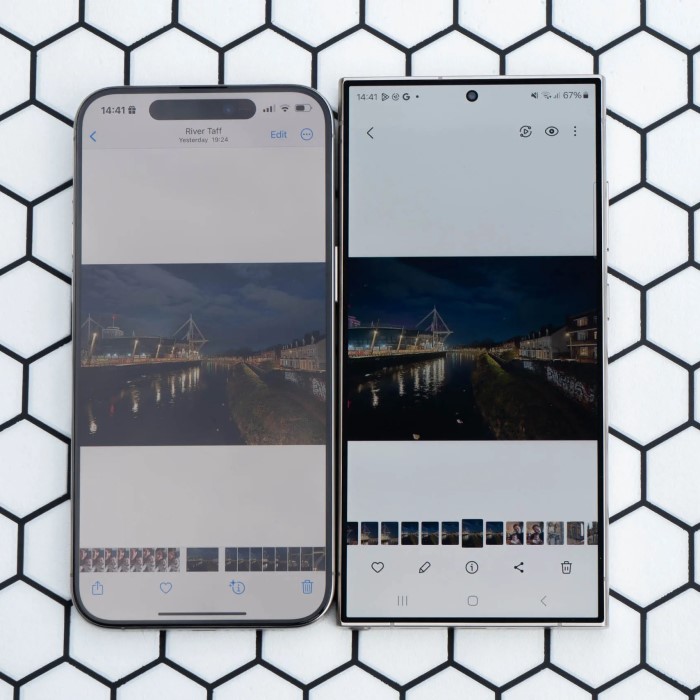
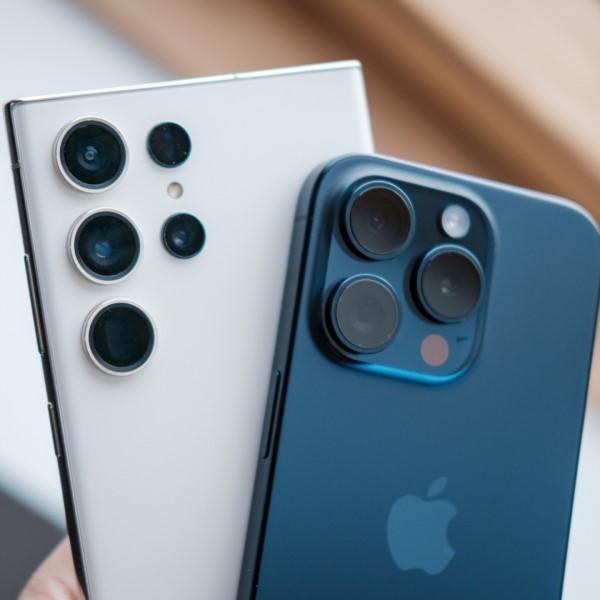
In the realm of photography, the ongoing iphone vs samsung comparison often centers around camera performance. Apple’s iPhone cameras are renowned for their natural image processing, delivering stunning, lifelike photos with accurate colors. The latest models also offer advanced computational photography features that enhance image quality in various lighting conditions.
Low-Light Performance and Video Quality
Low-light performance is where Samsung often shines, thanks to its larger sensors and advanced algorithms. For those who frequently shoot in low light, Samsung cameras typically produce clearer images with less noise. Additionally, Samsung offers impressive video capabilities, allowing users to record in 8K resolution, which is ideal for videographers and content creators. Apple, however, has made significant strides in video stabilization and features like Cinematic Mode, enhancing its video recording capabilities.
Operating System and Ecosystem
Software Experience
The operating systems of both brands contribute significantly to their user experience. Apple’s iOS is known for its intuitive interface and seamless ecosystem integration across devices. Users can easily sync their iPhones with iPads, Macs, and Apple Watches, creating a cohesive experience. In contrast, Samsung devices run on Android, specifically with a custom skin called One UI. This customization allows for greater flexibility and personalization, enabling users to tailor their devices to their liking.
App Ecosystem
Both platforms offer extensive app ecosystems, but they cater to different strengths. Apps on iOS are often released first and are optimized for iPhone, thanks to Apple’s stringent app review process. Meanwhile, Android’s open-source nature allows for creativity and diversity in app development. However, this can sometimes mean that apps may not perform as consistently across devices as they do on the iOS platform.
Price Range and Value
Affordability Options
One of the most significant differences between Apple and Samsung lies in their pricing strategies. Apple generally positions its iPhones as premium devices, with the latest models often exceeding the $1,000 price range. In contrast, Samsung offers a broader range of devices to accommodate various budgets. From flagship models to mid-range and budget-friendly options, Samsung’s diverse lineup appeals to a wider audience.
Assessing Long-Term Value
When considering the long-term value of a smartphone purchase, Apple’s iPhones tend to retain their resale value better than most Android devices, including Samsung. Factors such as brand loyalty, ongoing software updates, and demand for second-hand iPhones contribute to this trend. However, Samsung’s extensive lineup allows consumers to find a device that fits their immediate needs without breaking the bank.
Consumer Preferences
What Consumers Choose
When assessing which brand is preferred, many factors come into play. “Which is more popular, Samsung or iPhone?” is a frequently asked question. In general, Apple tends to dominate the premium smartphone market, while Samsung wins in terms of overall unit sales due to its extensive range of models catering to diverse consumer needs.
Features that Attract Users
“Why do people prefer iPhone over Samsung?” A common reason is the cohesive Apple ecosystem, which provides a smooth user experience across devices. On the other hand, “What can Samsung do that iPhone can’t?” raises points about customization, hardware choices, and features like expandable storage that some users highly value.
Frequently Asked Questions (FAQs)
Which is more better, Samsung or iPhone?
This depends on individual needs. Samsung offers more choices and features, while iPhone provides a more seamless ecosystem.
Which type of phone is better, iPhone or Samsung?
Both have their merits. iPhones shine in user experience and app quality, while Samsung excels in customization and variety.
By understanding the dynamics of the iphone vs samsung comparison, you’ll be better equipped to choose a smartphone that matches your lifestyle and preferences.
Conclusion: Making the Right Choice
In the ever-evolving landscape of smartphones, the iphone vs samsung comparison ultimately comes down to personal preferences and individual needs. If you prioritize software integration, security, and ease of use, an iPhone may be the way to go. However, if you value customization, a variety of feature sets, and innovative technology, Samsung might be the preferred choice.
Both brands offer remarkable devices that excel in various aspects, and understanding your own priorities will guide you to the right decision. Whether you opt for an iPhone or a Samsung device, you will be investing in quality technology. The best smartphone for you hinges on how you plan to use it, your budget, and your preferred functionalities. By weighing these factors carefully, you’ll make an informed decision that suits your lifestyle.