
Introduction
When it comes to music production, few tools are as versatile and essential as a midi keyboard. In an ever-evolving musical landscape, these devices stand at the crossroads of technology and creativity, empowering musicians, producers, and hobbyists to unlock their full potential. MIDI (Musical Instrument Digital Interface) technology allows for seamless communication between instruments and computers, making it easier than ever to compose, record, and produce music.
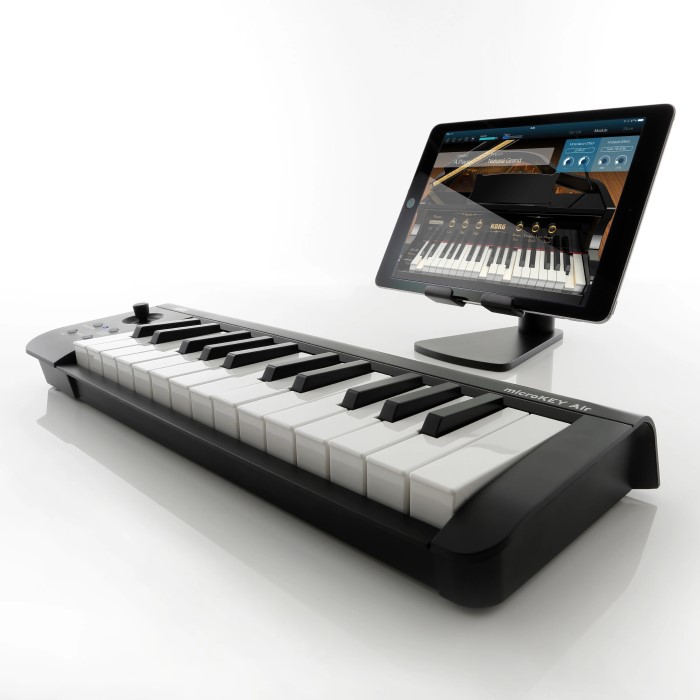
MIDI keyboards are not just for professional musicians; they cater to a wide range of skill levels, from beginners just starting their musical journey to seasoned composers looking to streamline their workflow. This article will explore the essential features of MIDI keyboards, how they can enhance your music-making experience, and what you should consider when choosing the right one for your needs.
Understanding MIDI Keyboards: What Are They?
Before diving deeper into their functionalities and benefits, let’s clarify what a MIDI keyboard is. Simply put, a MIDI keyboard is a musical controller that generates and transmits MIDI data to other devices. Unlike traditional keyboards, MIDI keyboards do not produce sound on their own but rather allow you to control software instruments, synthesizers, and other MIDI-compatible equipment.
Key Features of MIDI Keyboards
When shopping for a MIDI keyboard, several features can enhance your musical experience. Here are some vital elements to consider:
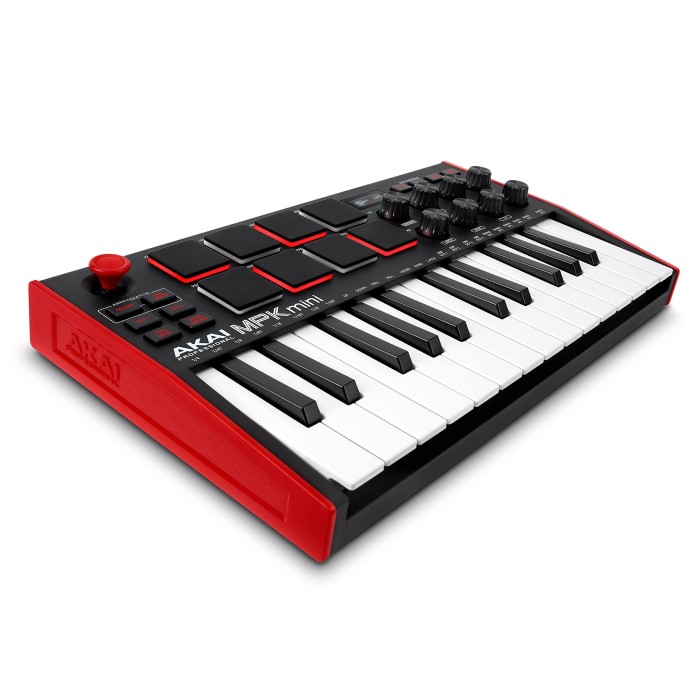
- Key Count: MIDI keyboards come in various sizes, ranging from compact 25-key models to full-size 88-key versions. Each size serves different needs:
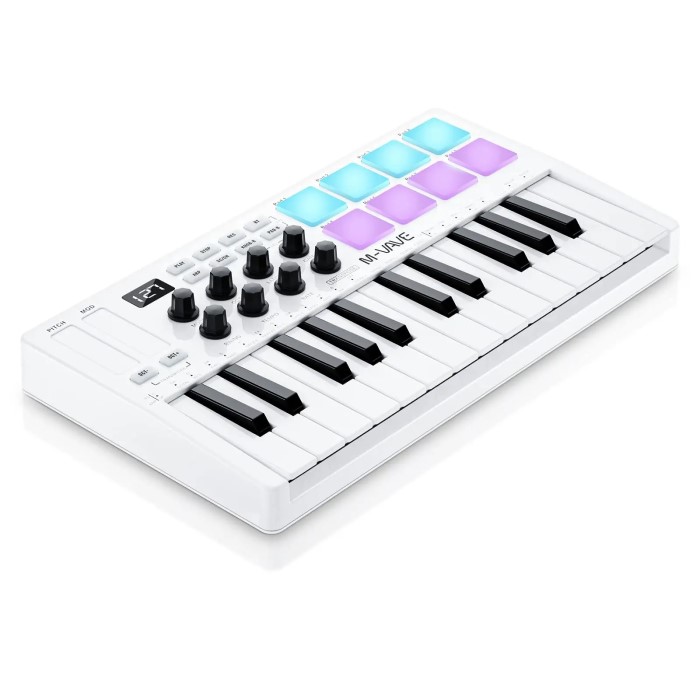
- 25-Key Models: Perfect for portability and ideal for creating melodies and basslines.
- 49-Key and 61-Key Models: A great balance, offering more range without sacrificing portability.
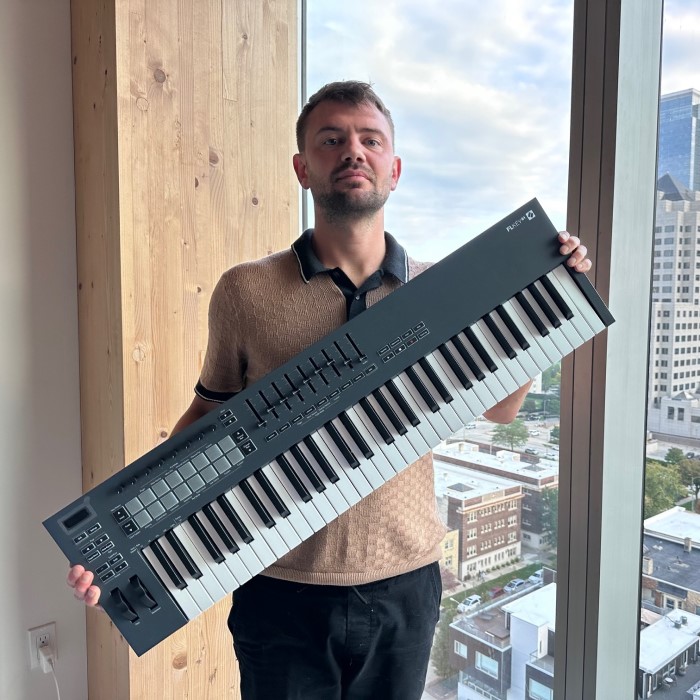
- 76-Key and 88-Key Models: Best for pianists or complex compositions requiring a full keyboard.
- Velocity Sensitivity: Many MIDI keyboards feature velocity-sensitive keys, meaning they respond to the force with which you strike the keys. This feature allows for a more expressive performance, making it easier to capture the nuances of your playing style.
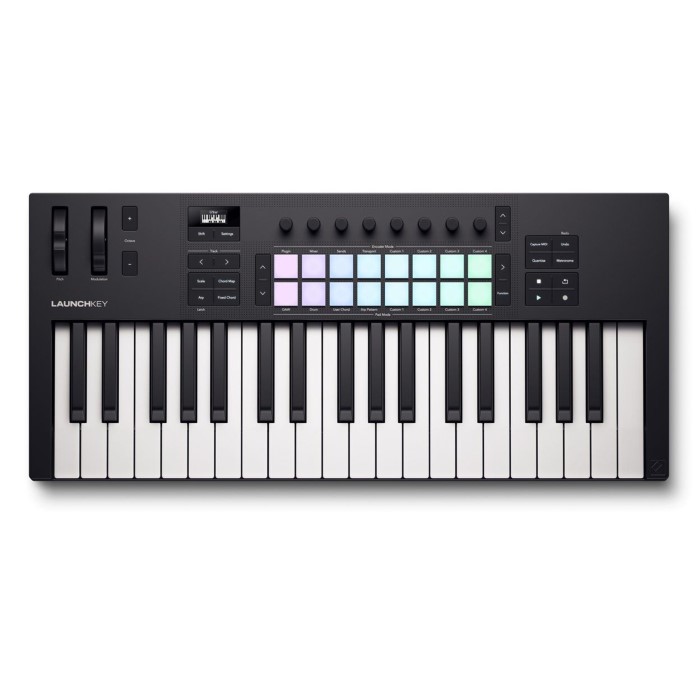
- Control Features: Look for keyboards that incorporate knobs, sliders, and pads. These controls can be mapped to various functions in your software, allowing for real-time adjustments to parameters such as volume, modulation, and effects.
- Connectivity Options: MIDI keyboards typically connect via USB, which is standard for most modern setups. However, having traditional MIDI outputs can also expand options for connecting with older gear.
- Software Compatibility: Many MIDI keyboards come bundled with software, including digital audio workstations (DAWs) and virtual instruments. Check for compatibility with the software you plan to use and whether you need a specific version for optimal functionality.
- Built-in Features: Some keyboards have built-in arpeggiators, chord modes, and split functionality. These features can enrich your playing experience and inspire creativity during your sessions.
Why Every Musician Should Have a MIDI Keyboard
Investing in a MIDI keyboard can significantly benefit your music-making journey. Here are several compelling reasons to consider:
1. Enhance Your Creativity
A MIDI keyboard allows for more intuitive composition. Unlike mouse-clicking notes into a sequencer, playing melodies and harmonies on a keyboard can spark creativity. The tactile experience encourages experimentation, leading to new musical ideas.
2. Streamlined Workflow
A MIDI keyboard can streamline your production workflow. With direct control over various software instruments and effects, you can adjust parameters and record in real-time. This not only saves time but also makes the process more dynamic and engaging.
3. Versatile Sound Creation
MIDI keyboards give you access to a vast library of sounds. You can easily switch between orchestral sounds, synths, pianos, and more, all at your fingertips. This versatility allows you to explore genres from classical to electronic, broadening your musical horizon.
4. Facilitate Learning
For beginners, a MIDI keyboard serves as a great tool for learning music theory and developing piano skills. Many MIDI keyboards interface with learning software that can guide you through scales, chords, and other fundamentals, making the learning process enjoyable and interactive.
Different Types
Understanding the different types of MIDI keyboard can help you make an informed choice. Here’s a breakdown of the main categories:
1. Controller Keyboards
Controller keyboards are designed primarily to be MIDI controllers. They do not have built-in sounds but offer an array of knobs, sliders, and pads for controlling virtual instruments and software environments. They are ideal for those who primarily use a computer-based setup.
2. MIDI Synthesizers
MIDI synthesizers combine the features of a traditional synthesizer with MIDI capabilities. They can generate sounds and be used as MIDI controllers simultaneously. This type of instrument is well-suited for musicians who enjoy sound design alongside performance.
3. Piano-style MIDI Keyboards
These are full-sized keyboards that replicate the feel of acoustic pianos. They often feature weighted keys, offering a more tactile experience for pianists. If you want to replicate a traditional playing experience, this type is likely your best choice.
4. Compact MIDI Keyboards
Compact MIDI keyboards are portable and often feature fewer keys. This makes them easy to transport, making them a popular choice for musicians on the go. They’re perfect for small studio setups or for those who prefer a minimalistic approach.
How to Choose the Right Keyboard
With so many options available, selecting the right MIDI keyboard can be a daunting task. Here are some crucial factors to consider:
1. Assess Your Needs
Before making a purchase, think about your goals as a musician. Are you primarily composing music on your computer? Do you require portability for live performances? Identifying your primary use will help narrow down your options.
2. Set a Budget
MIDI keyboards range in price from budget-friendly models to high-end professional keyboards. Determine what you are willing to spend while considering that investing in a quality keyboard can provide long-lasting benefits.
3. Test Before You Buy
If possible, test keyboards in a store. Pay attention to key action, build quality, and how it feels to interact with other features like knobs and pads. The physical experience can greatly influence your selection.
Caring for Your Keyboard
Once you invest in a MIDI keyboard, taking care of it is essential for maintaining its functionality and appearance. Here are some tips:
1. Keep It Clean
Regularly dust and clean your MIDI keyboard to keep it in optimal condition. Use a microfiber cloth to wipe dirt from the keys and controls. Avoid using harsh cleaners that can damage the finish or electronics.
2. Store Properly
When not in use, store your MIDI keyboard in a cool, dry place. Avoid leaving it exposed to direct sunlight, as this can affect its materials and functionality. If possible, keep it in its original box or a dedicated case to protect it from dust and scratches.
3. Avoid Overworking the Keys
Be mindful of how you treat the keys, especially if they are velocity-sensitive. Excessive force or repeated pressing of certain keys can wear them out faster. Practice your playing technique for longevity.
FAQ
To summarize the essential information and provide clarity, here are answers to frequently asked questions about MIDI keyboards:
1. What does a MIDI keyboard do?
A MIDI keyboard acts as a controller that sends digital signals via MIDI to other devices, such as computers, synthesizers, or digital audio workstations. It allows musicians to play melodies and control virtual instruments without producing sound on its own.
2. Do I need a MIDI keyboard as a beginner?
While it’s not a necessity, having a MIDI keyboard can greatly benefit beginners. It enhances the learning process and offers a means to create music more intuitively.
3. What is the difference between a keyboard and a MIDI keyboard?
A standard keyboard typically produces sound on its own, while a MIDI keyboard sends MIDI data to other devices to generate sound. MIDI keyboards focus on controlling software and have no internal sounds.
4. Can a MIDI keyboard be used without a computer?
Some MIDI keyboards offer standalone capabilities with built-in sounds or are designed to connect to synthesizers and other instruments without the need for a computer. Check the specifications to confirm compatibility.
The Future
As technology continues to advance, so does the evolution of MIDI keyboards. Here’s a glimpse into what the future holds:
1. Integration with AI
Emerging technologies may lead to enhanced integration with artificial intelligence, providing suggestions or adjustments in real-time based on user playing styles. This could open up exciting opportunities for learning and creativity.
2. Enhanced Connectivity
Future MIDI keyboards might offer smarter connectivity options, making it easier to link with various devices and platforms seamlessly, including mobile devices and cloud-based music applications.
3. Sustainable Manufacturing
As awareness of environmental issues grows, manufacturers may focus on more sustainable materials and production methods to enhance eco-friendliness, appealing to environmentally conscious musicians.
Conclusion
In conclusion, investing in a midi keyboard is a valuable step for anyone passionate about music creation, production, or performance. These versatile instruments not only provide essential functionalities for composing and recording music but also inspire creativity and expression across various genres. With the right MIDI keyboard, musicians can streamline their workflow and enhance their overall music-making experience.
When choosing a MIDI keyboard, assess your needs, explore the features that matter most, and consider your budget. Investing in quality gear can significantly impact your musical journey, opening doors to new creative possibilities.
Embrace the joy of music-making, explore different models, and elevate your skills with a MIDI keyboard that fits your style. As you step into your music journey, remember that the right instrument can inspire you to create unforgettable melodies and musical pieces that resonate with others.