
Introduction: The Current GPU Landscape
The graphics card market remains a battlefield for consumers seeking the best value. Many gamers currently face a tough choice. They want high frame rates. They also desire modern features. Consequently, the debate regarding 4060 ti vs 4070 has become incredibly significant for mid-range buyers this year. Nvidia dominates the conversation with its RTX 40-series. These cards promise power efficiency and AI capabilities. However, the price gap between mid-range options often confuses potential buyers. Therefore, understanding the true performance delta is crucial. We must look beyond simple marketing numbers. Real-world gaming performance matters most. Furthermore, factors like VRAM and memory bandwidth play huge roles. This guide will break down every aspect.
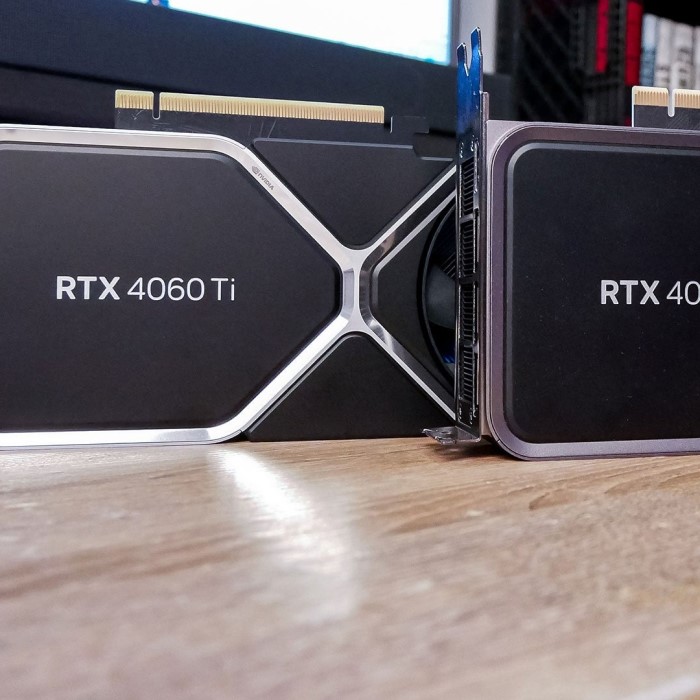
We aim to help you make a smart investment. After all, a graphics card is a major purchase. You want it to last for years. Additionally, the rise of ray tracing adds another layer of complexity. DLSS 3.0 also changes the equation. Some cards handle these features better than others. We will analyze the architecture. We will also explore thermal performance and power draw. By the end, you will know exactly which card suits your needs. Let us dive into the details.
Architecture and Core Specifications Compared
To understand performance, we first examine the silicon itself. Nvidia utilizes the Ada Lovelace architecture for both GPUs. However, they utilize different configurations. The RTX 4070 uses the AD104 chip. In contrast, the RTX 4060 Ti utilizes the smaller AD106 chip. Consequently, the 4070 holds a significant advantage in raw compute power. It features 5,888 CUDA cores. The 4060 Ti, on the other hand, possesses 4,352 cores. This difference directly impacts rendering capabilities. Furthermore, the RTX 4070 includes 46 Ray Tracing (RT) cores. The 4060 Ti provides 34 RT cores. Therefore, heavy ray tracing workloads run smoother on the 4070. Texture mapping units also favor the 4070. It has 184 units compared to the 136 units on the 4060 Ti.
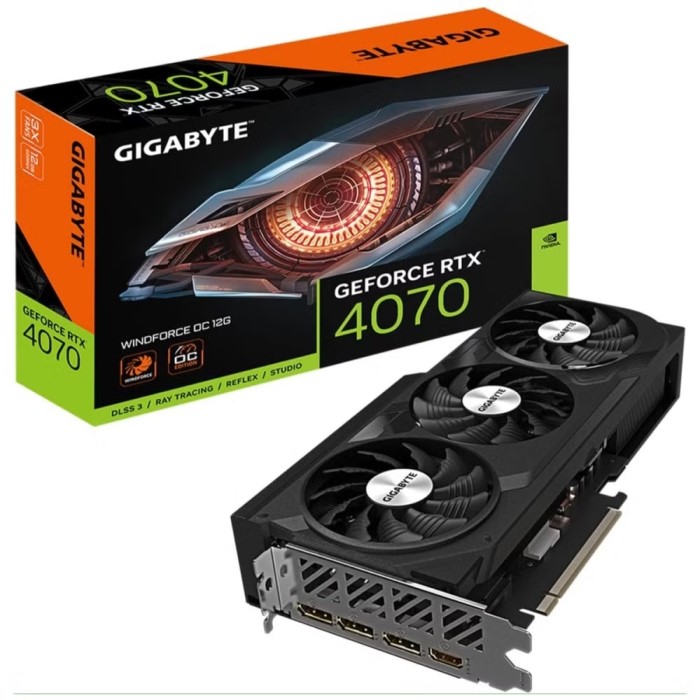
Moreover, the base and boost clock speeds tell an interesting story. The RTX 4060 Ti actually clocks slightly higher in some scenarios. It boosts up to 2.54 GHz. The RTX 4070 boosts up to 2.48 GHz. Nevertheless, the core count advantage outweighs the slight frequency difference. Think of it like a highway. The 4070 has more lanes. Even if cars move slightly slower, more cars pass through. Additionally, the L2 cache size differs greatly. The 4070 boasts 36MB of L2 cache. The 4060 Ti carries 32MB. This large cache helps mitigate memory bandwidth limitations. However, the 4070 simply has more resources to handle complex scenes. Therefore, the architectural disparity sets the stage for performance gaps. You cannot simply compare clock speeds. You must consider the entire pipeline.
Memory Differences: VRAM and Bandwidth
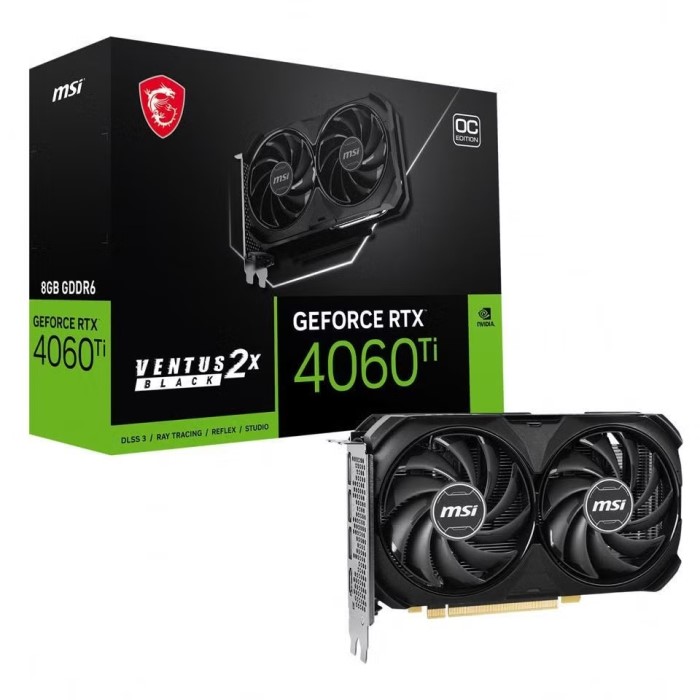
Memory specifications often spark the most heated debates. Many gamers worry about VRAM capacity. The RTX 4060 Ti comes in two main variants. You can choose a 8GB model or a 16GB model. Conversely, the RTX 4070 exclusively offers 12GB of GDDR6X memory. This distinction is vital. The 16GB 4060 Ti seems superior on paper due to capacity. However, there is a catch. The 4060 Ti utilizes a very narrow 128-bit memory bus. The RTX 4070 uses a wider 192-bit bus. Consequently, the memory bandwidth differs significantly. The 4070 delivers 504 GB/s of bandwidth. The 4060 Ti manages only 288 GB/s. This low bandwidth often hampers performance at higher resolutions.
Furthermore, the memory configuration affects 1440p gaming. The RTX 4070 provides a balanced approach. It offers decent capacity and higher bandwidth. Therefore, it handles texture streaming better. The 8GB 4060 Ti struggles in modern AAA titles with ultra textures. The 16GB model solves the capacity issue. Yet, it still suffers from the bandwidth bottleneck. As a result, the extra VRAM does not always translate to higher frame rates. It simply prevents crashing or texture pop-in. In contrast, the 4070 delivers a smoother experience. Its GDDR6X memory also runs cooler and more efficiently. Ultimately, bandwidth is just as important as capacity. Gamers must weigh these factors carefully. A wider bus generally ensures better longevity for performance.
1080p Gaming Performance Analysis
Most gamers still play at 1080p resolution. Both cards excel in this environment. However, the 4060 ti vs 4070 comparison reveals interesting data. The RTX 4060 Ti targets this resolution specifically. It delivers excellent frame rates in esports titles. For instance, games like Valorant and CS2 run flawlessly. You will likely hit hundreds of frames per second. Therefore, the 4060 Ti is a great choice for competitive players. Nevertheless, the RTX 4070 offers headroom. It significantly outperforms the 4060 Ti by roughly 20% to 25%. This gap appears even at 1080p. In graphically demanding games like Cyberpunk 2077, the difference is clear. The 4070 maintains a higher average frame rate. It also dips less frequently during intense action.
Additionally, ray tracing impacts performance at 1080p. The 4060 Ti can handle light ray tracing. However, it struggles with heavy workloads. The 4070 manages ray tracing much better due to its extra cores. DLSS 3 helps both cards significantly. Frame generation smooths out the gameplay. However, raw power still dictates the experience. The 4070 feels more “future-proof” even at 1080p. It handles ultra settings without breaking a sweat. The 4060 Ti might require some setting adjustments in the future. Furthermore, 1080p high refresh rate monitors are becoming standard. The 4070 ensures you utilize every bit of that refresh rate. Therefore, if you have the budget, the 4070 provides a superior 1080p experience. It allows for higher visual fidelity.
1440p Gaming Performance Deep Dive
Moving up to 1440p changes the dynamic completely. The RTX 4070 positions itself as the “sweet spot” for this resolution. It handles 1440p gaming admirably in most titles. You can expect high settings and good frame rates. On the other hand, the RTX 4060 Ti struggles more here. The memory bandwidth limitation becomes apparent. The 20% performance gap often widens to 30% or more at 1440p. Consequently, the 4060 Ti feels more like a 1080p card trying to stretch its legs. It can play games at 1440p. However, you might need to lower texture settings. You may also need to disable ray tracing.
Moreover, the VRAM issue surfaces here. The 8GB 4060 Ti buffer fills up quickly at 1440p. This leads to stuttering in some open-world games. The 16GB model helps texture loading. Yet, the narrow bus still limits the speed of data transfer. In contrast, the RTX 4070 feels right at home. Its 12GB buffer and wider bus handle the pixel load efficiently. For example, in games like Alan Wake 2, the 4070 provides a smooth experience. The 4060 Ti often falters. Additionally, DLSS 3 becomes essential for both cards at this resolution. Frame generation helps the 4060 Ti reach playable numbers. But the 4070 offers a native experience that feels more consistent. Therefore, for a high-fidelity 1440p experience, the 4070 is the clear winner. It justifies its price premium for this specific use case.
4K Capabilities and Ray Tracing
Can either card handle 4K gaming? The answer is nuanced. The RTX 4070 can technically game at 4K. It performs similarly to the previous generation RTX 3080. However, it is not a native 4K powerhouse. You will rely heavily on DLSS and frame generation. Without upscaling, frame rates dip below 60 FPS in demanding titles. Nevertheless, the 4070 remains viable for casual 4K gaming. The RTX 4060 Ti, unfortunately, is ill-suited for 4K. The memory bandwidth creates a massive bottleneck. Even with 16GB of VRAM, the card cannot feed the GPU core fast enough. Consequently, 4K gaming on a 4060 Ti results in choppy gameplay.
Furthermore, ray tracing amplifies the difference. Ray tracing requires substantial computational power. The RTX 4070 holds a distinct advantage here. Its additional RT cores and Tensor cores manage the workload better. You can enjoy moderate ray tracing at 1440p with the 4070. The 4060 Ti struggles to maintain 30 FPS with ray tracing enabled at 1440p in heavy titles. Therefore, you must rely on DLSS Ray Reconstruction. This technology helps both cards. However, it cannot fully bridge the hardware gap. If you own a 4K monitor, the 4070 serves as an entry-level option. The 4060 Ti serves best as a secondary card for 1080p or light 1440p work. Serious 4K gamers should look further up the stack. But between these two, the 4070 offers a glimpse of the high resolution.
Power Efficiency and Thermal Performance
Nvidia’s Ada Lovelace architecture excels in efficiency. Both cards are surprisingly easy to cool. The RTX 4060 Ti draws very little power. Its Total Board Power (TGP) sits at just 160 watts. This makes it an excellent upgrade for older systems. You might not even need to change your power supply. Additionally, it generates less heat. Many models utilize compact coolers effectively. On the other hand, the RTX 4070 has a TGP of 200 watts. This is still remarkably low for the performance offered. It is significantly more efficient than the older RTX 3070. Therefore, both cards run cool and quiet in well-ventilated cases.
Moreover, power efficiency translates to savings. You spend less on electricity over time. You also save on PSU costs. The 4060 Ti fits into budget builds seamlessly. It allows gamers to allocate more budget to the CPU or RAM. Meanwhile, the 4070 requires a slightly beefier power supply. A 650W unit is usually recommended. However, the 40% performance increase for a 40W power increase is impressive. The 4070 offers better performance per watt. Consequently, thermal throttling is rarely an issue for either card. You will see consistent boost clocks. However, some users complain about the power connector on the 4060 Ti. The connector placement on some PCBs can feel flimsy. Overall, both cards are engineering marvels regarding efficiency. They deliver high performance without melting your power bill.
Price-to-Value and Final Recommendation
Price is the ultimate deciding factor. The market fluctuates, but general trends remain. The RTX 4060 Ti launched at a contentious price point. This creates a roughly $200 price gap. Is the 4070 worth the extra money? For 1080p gamers, probably not. The 4060 Ti offers sufficient performance for that resolution. The value proposition favors the cheaper card here. However, for 1440p gamers, the calculation changes. The RTX 4070 delivers a premium experience the 4060 Ti cannot match. It justifies the higher asking price through better longevity.
Furthermore, the resale value matters. The 4070 will likely hold its value better. It appeals to a broader audience of mid-range gamers. The 4060 Ti 8GB faces criticism for its memory configuration. This stigma might hurt resale potential. Conversely, the 16GB model is priced awkwardly close to the 4070. At that point, buying the 4070 makes much more sense. You get better bandwidth and more cores. Therefore, the specific model of 4060 Ti matters immensely. If you find the 4060 Ti 8GB on a deep discount, it is a great buy. If you pay near MSRP, saving for the 4070 is wiser. The 4060 ti vs 4070 debate ultimately hinges on your monitor resolution and budget. Choose the 4060 Ti for 1080p budget builds. Choose the 4070 for a balanced 1440p powerhouse.
FAQ
Is a 4060 Ti better than a 4070?
No, the RTX 4070 is objectively better than the RTX 4060 Ti. The RTX 4070 features more CUDA cores, a wider memory bus, and more VRAM bandwidth. Consequently, it delivers roughly 20% to 30% better performance in most gaming scenarios. The 4070 targets 1440p gaming effectively. In contrast, the 4060 Ti targets the 1080p market. While the 4060 Ti is more affordable, it does not outperform the 4070 in raw power.
What is RTX 4060 Ti equivalent to?
The RTX 4060 Ti performs similarly to the previous generation RTX 3070 or RTX 3070 Ti in traditional rasterization games. However, it consumes significantly less power. In terms of AMD competition, it trades blows with the Radeon RX 6800. It offers superior ray tracing performance compared to older mid-range cards. However, its memory bandwidth is lower than the previous generation equivalents.
Is 4060 to 4070 worth it?
Yes, upgrading from an RTX 4060 to a 4070 is generally worth it if you play at 1440p. The RTX 4060 struggles at higher resolutions due to memory constraints. The RTX 4070 provides a much smoother experience at 1440p with higher settings enabled. However, if you only play at 1080p, the upgrade offers less value. The jump in visual fidelity is less noticeable at lower resolutions.
Is the 4060 Ti good for 1440p gaming?
The RTX 4060 Ti can handle 1440p gaming, but it is not ideal for it. It runs esports titles perfectly at this resolution. However, AAA games may require you to lower settings to maintain high frame rates. The limited memory bandwidth can cause stuttering in heavy scenes. For a dedicated high-refresh 1440p experience, the RTX 4070 is a much safer and more reliable choice.
Conclusion: Making the Smart Choice
Choosing a graphics card requires balancing needs and wants. We have analyzed the architecture, memory, and performance. The results clearly define each card’s role. The RTX 4060 Ti serves the entry-level market well. It handles 1080p gaming with ease. It also offers great power efficiency. However, its memory bandwidth limits its potential. The RTX 4070 stands out as the superior all-rounder. It handles 1440p gaming comfortably. It also offers better ray tracing performance. Consequently, the 4060 ti vs 4070 comparison highlights a clear upgrade path. The 4070 costs more, but it delivers more. It provides a tangible experience upgrade.
Therefore, assess your current setup. Look at your monitor resolution. Check your power supply wattage. Then, make the decision that fits your wallet. A smart purchase today saves frustration tomorrow. Gaming should be fun, not a struggle with settings. Choose wisely and enjoy the games.